
WORCESTER—The city is putting a fresh spin, and splashes of color, on waste management.
Through a new initiative called “WooBins,” the city is combining public art and environmental stewardship with a fleet of sleek, dual-stream trash and recycling bins wrapped in original artwork by local creatives.
The initiative features 50 bins designed by Worcester-based artists and community members. Selected artists receive $300 per design, with their art displayed on the back panels of the bins facing the roadway.
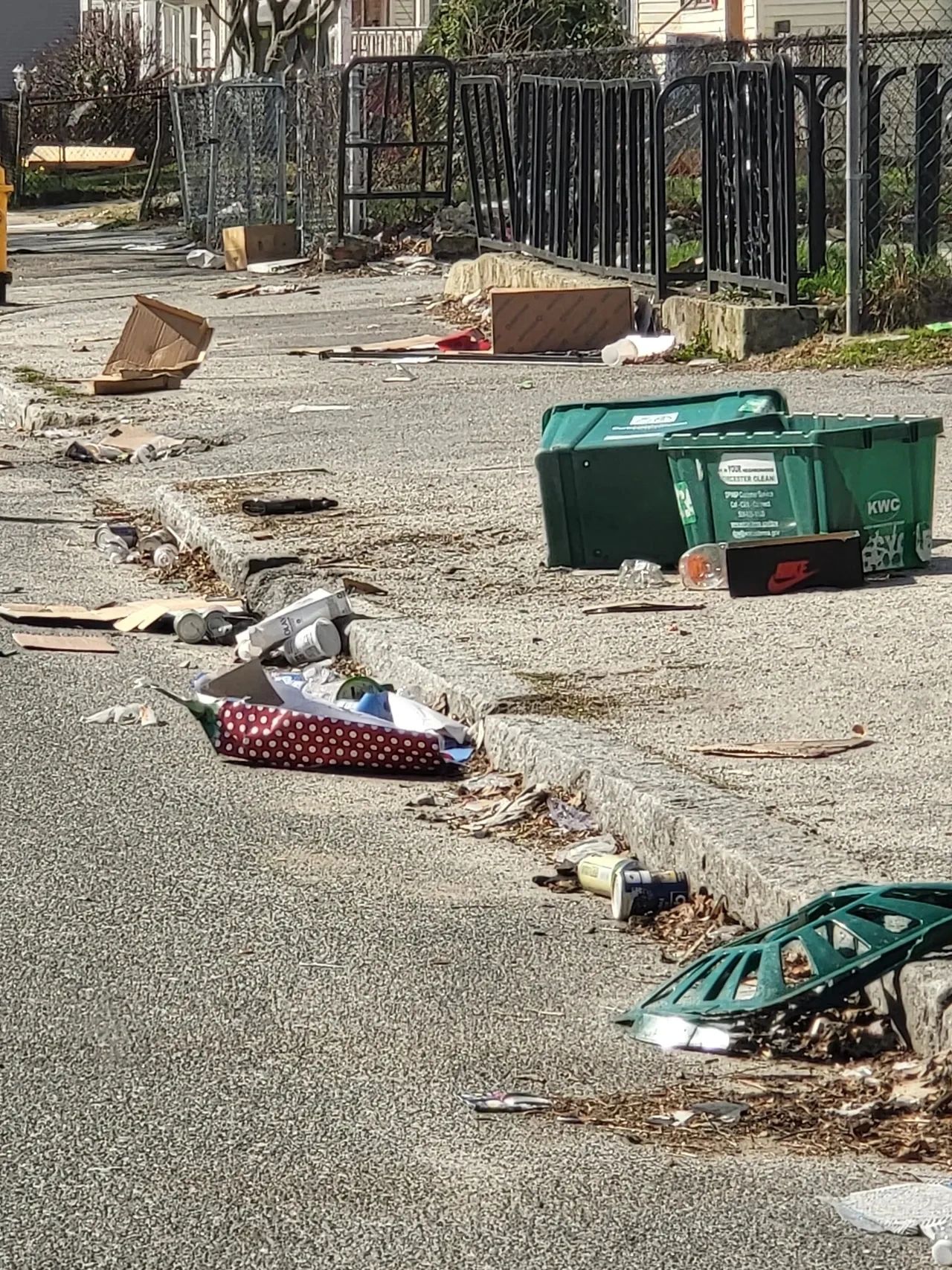
“It’s a creative way to tackle a real issue,” said Chief Sustainability Officer John Odell. “We hope to see less dumping throughout the city and less visible litter. The first is measurable. The second—we’re hoping it becomes visibly obvious where bins have been placed.”
The new bins are dual-stream, with clear compartments for trash and recycling. That design was a major focus for Miranda Hotham, the city’s Zero Waste coordinator.
“We worked very hard on the front to make it very clear to people what belongs in trash versus recycling,” Hotham said, adding that recycling contamination has been low since the bins were introduced. “We haven’t had any issues so far,” she said.
The pilot program initially launched in the Green Island neighborhood and along Grafton Street, part of a partnership between the Department of Sustainability & Resilience and Public Works & Parks. Sites were chosen based on more than 900 suggestions submitted to a public crowdsourcing tool earlier this year, combined with data on litter complaints, sidewalk widths, pedestrian traffic, ADA access, and nearby bus stops. Items such as glass nip bottles and cigarette butts are frequent litter offenders in hotspot areas.
“In clean places, people feel guiltier about littering,” she said. “But if an area’s already covered in trash, people tend to follow suit. It’s herd mentality.”
Community feedback: encouraging—but mixed
Community response to the idea has been largely positive, with more than 800 suggestions submitted for bin placement through a crowdsourced map launched earlier this year.
Still, not everyone is sold on the timing or value of the art aspect.
“I think there’s a ton of money invested in surface-level art that should be better used on public green space sustainability,” said Worcester resident John Keough, a Worcester resident, journalist and filmmaker focused on creating sustainable film infrastructure.
Others, such as resident Patricia Hobbs, who is an active organizer in her Green Island neighborhood, opines that perhaps the program is getting ahead of itself.
“The current application process to install public art is premature,” she said. “I think a full year should pass before artwork is added. The ‘keep Worcester clean’ messaging should be given time to sink in first.”
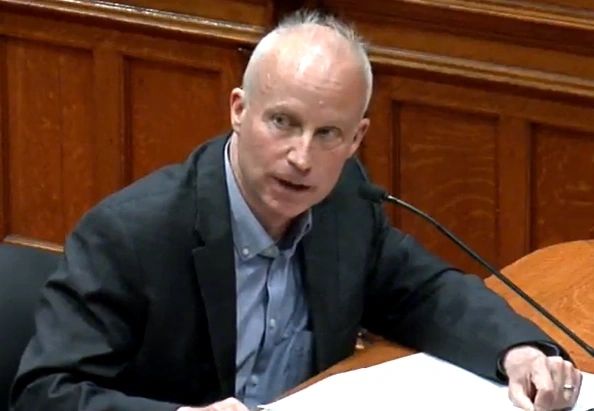
Councilors have also weighed in. Councilor Luis Ojeda has pushed for neighborhood network centers to be involved in the rollout, particularly in areas where bins are being installed. Odell acknowledged that DSR had “cast a wide net” for input and said his department would follow up with those centers.
Odell also noted that public demand has outpaced the number of bins available. “We won’t be able to put them everywhere that everyone would like them,” he said. “But we’re hopeful the 150 we do plan to install, the balance of which will be done in July, will make a significant impact.”
A Zero Waste vision
The WooBins project is one part of the city’s broader Zero Waste Master Plan (ZWMP), which aims to create a circular economy—where waste becomes resource.
“The goal is to take what would’ve been waste and give it new life,” Hotham said. “But the challenge is, a lot of producers aren’t thinking about the end of life for their product—they just want to sell it.”
The city is in the data-gathering phase of the plan, including a recent waste characterization study conducted in April. Nearly 11 tons of trash were randomly collected from restaurant dumpsters, sorted and analyzed by the consulting firm Diversion Designers.
“The results will show us what’s actually in our waste stream,” Hotham said. “That’s key to creating the right strategy.”
Casella, the city’s recycling service provider, is handling waste collection during the pilot—initially three times a week, with adjustments as needed. The company is using the trial period to help estimate long-term service costs. The $500,000 project is funded through a time-sensitive appropriation that must be used by June 30.
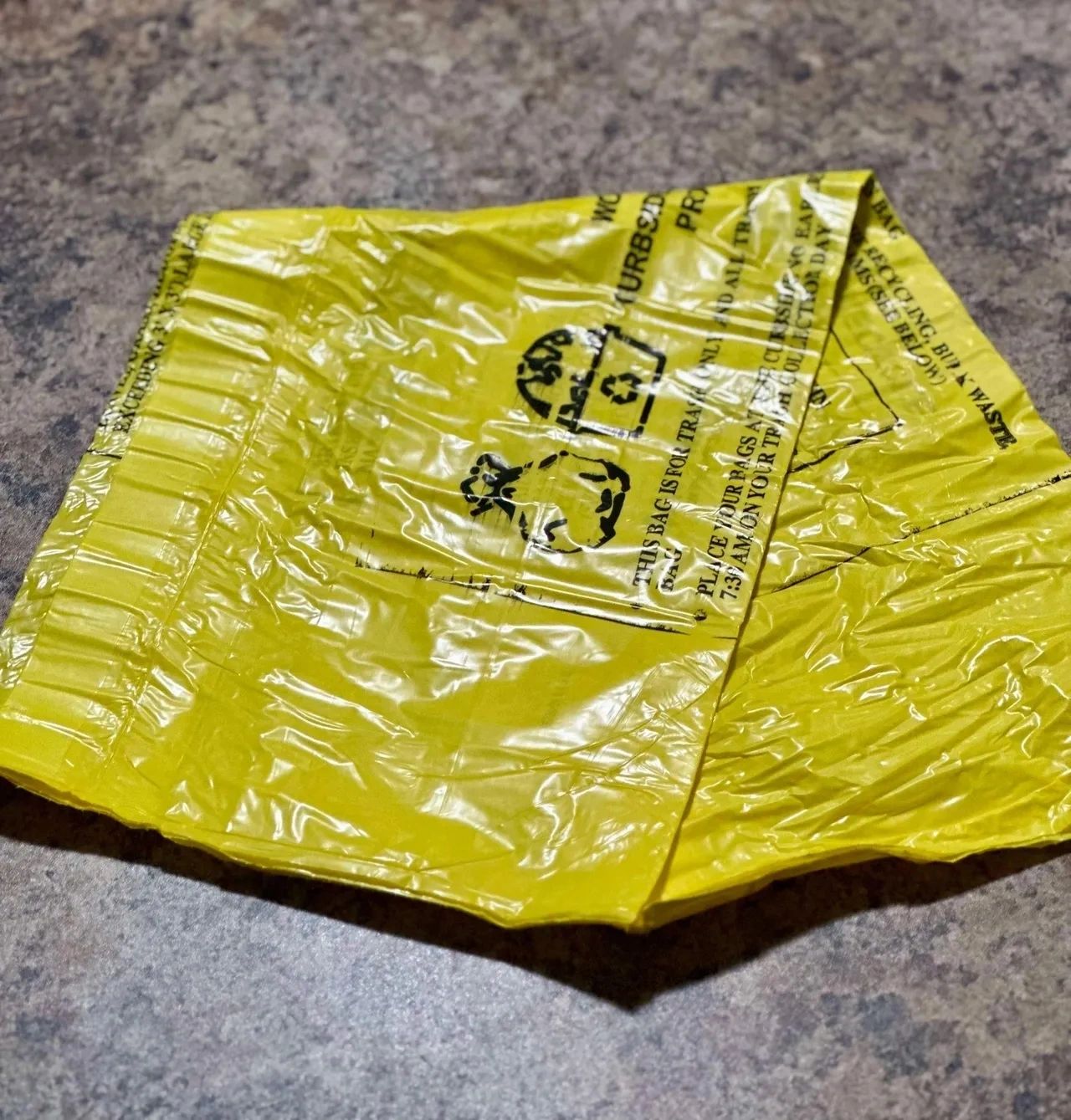
The city’s chosen bins—selected over higher-cost options like solar-powered Big Belly compactors—were not only more affordable, but also perform better when it comes to preventing contamination and discouraging residents from skirting Worcester’s yellow trash bag program, Odell said. The bins are also capable of being fitted with fill sensors and could eventually host advertising panels for future revenue.
Councilor George Russell has encouraged exploring sponsorships, especially from local colleges and nonprofits. Vice Chair Khrystian King also praised the possibility of adding technology. “To get [fill sensors] at a lower cost is huge,” he said, crediting resident Noah Rose for first pushing for smart waste tech.
Art, education and public input
Officials say bins alone aren’t enough—education is critical. That’s where partnerships with schools and neighborhood groups can make a difference.
“Education is just as important, if not more important, than the bins,” said Maureen Schwab, a Zero Waste Steering Committee member. “Neighborhood associations and groups like Worcester Green Corps can be an enormous help.”
Hobbs echoed that, calling for more creativity in how the city teaches kids about litter and recycling. “A citywide campaign is needed—with art contests, poetry, songs, stories. The younger generation needs to learn that these habits matter.”
The ZWMP process is ongoing, with a public survey open now and listening sessions planned throughout the summer. The first is scheduled for July 16 at the Worcester Senior Center.
Get involved
Submissions for WooBins artwork are open through May 28 at 5 p.m. Worcester residents, youth (with parental consent), organizations, and community groups are encouraged to apply. More information can be found here.
Residents can also subscribe to the city’s sustainability newsletter or complete the public survey to stay involved in shaping Worcester’s zero-waste future.
Matt Olszewski is a freelance content and news writer based in Boston, MA. In his free time, Matt enjoys running, hiking or skiing. Matt just graduated with his MPH from Tufts University. He can be reached at mattoskier@gmail.com