
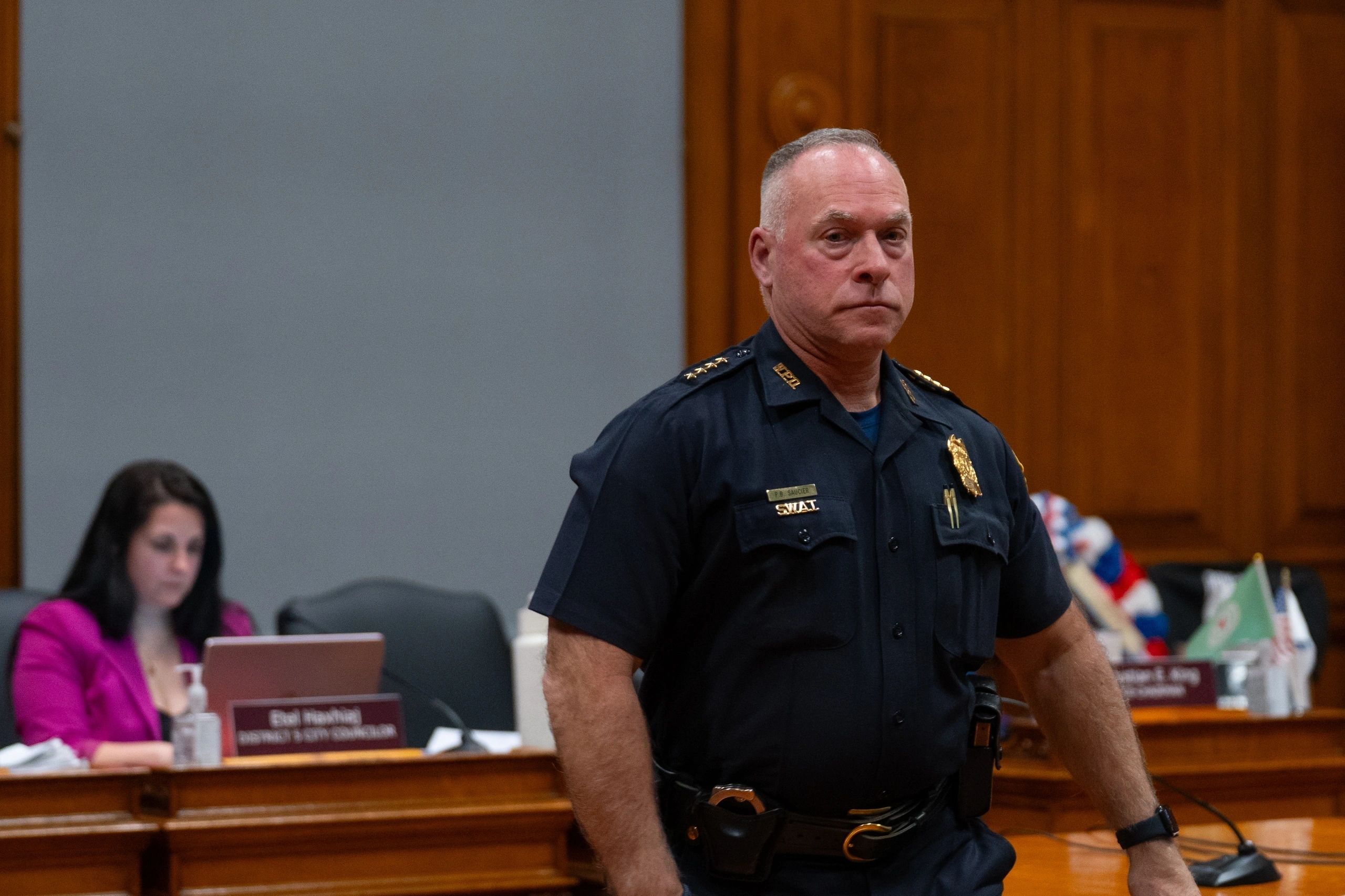
The Worcester City Council is weighing the creation of a citizen review board to oversee police conduct following a U.S. Department of Justice report that detailed allegations of misconduct within the Worcester Police Department.
At the March 25 council meeting, members debated whether such a board is the right next step as the city responds to the DOJ’s findings. The matter has been referred to the Public Safety Committee for further review and possible recommendations.
“I think we all want fairness and accountability,” said Council Vice Chair Khrystian King. “I am in support of a citizen review board with subpoena powers. It’s something I’ve supported going back many years, as have some of my colleagues.”
Councilor Etel Haxhiaj also voiced strong support.
“It will give the community … and the folks who allegedly have been harmed by practices that have been mentioned in the report,” she told Police Chief Paul Saucier. “An independent review, in addition to your opinions and your expertise, can move us in the direction of repairing some harm and reconciling all of the different allegations.”
While some councilors backed increased oversight, others expressed concern that a civilian board could add unnecessary bureaucracy.
“This department has been aggressive and proactive in addressing many of the things the Department of Justice’s report had brought up,” Councilor Kathleen Toomey said. “I think adding another layer of bureaucracy to that, at this point in time, is counter-productive.”
Toomey noted that Saucier had been working on department reforms even before the DOJ report’s release.
“I look forward to us moving on,” Councilor Candy Mero-Carlson said. “This city has made a great deal of progress. Do we need to make some more progress? We certainly do.”
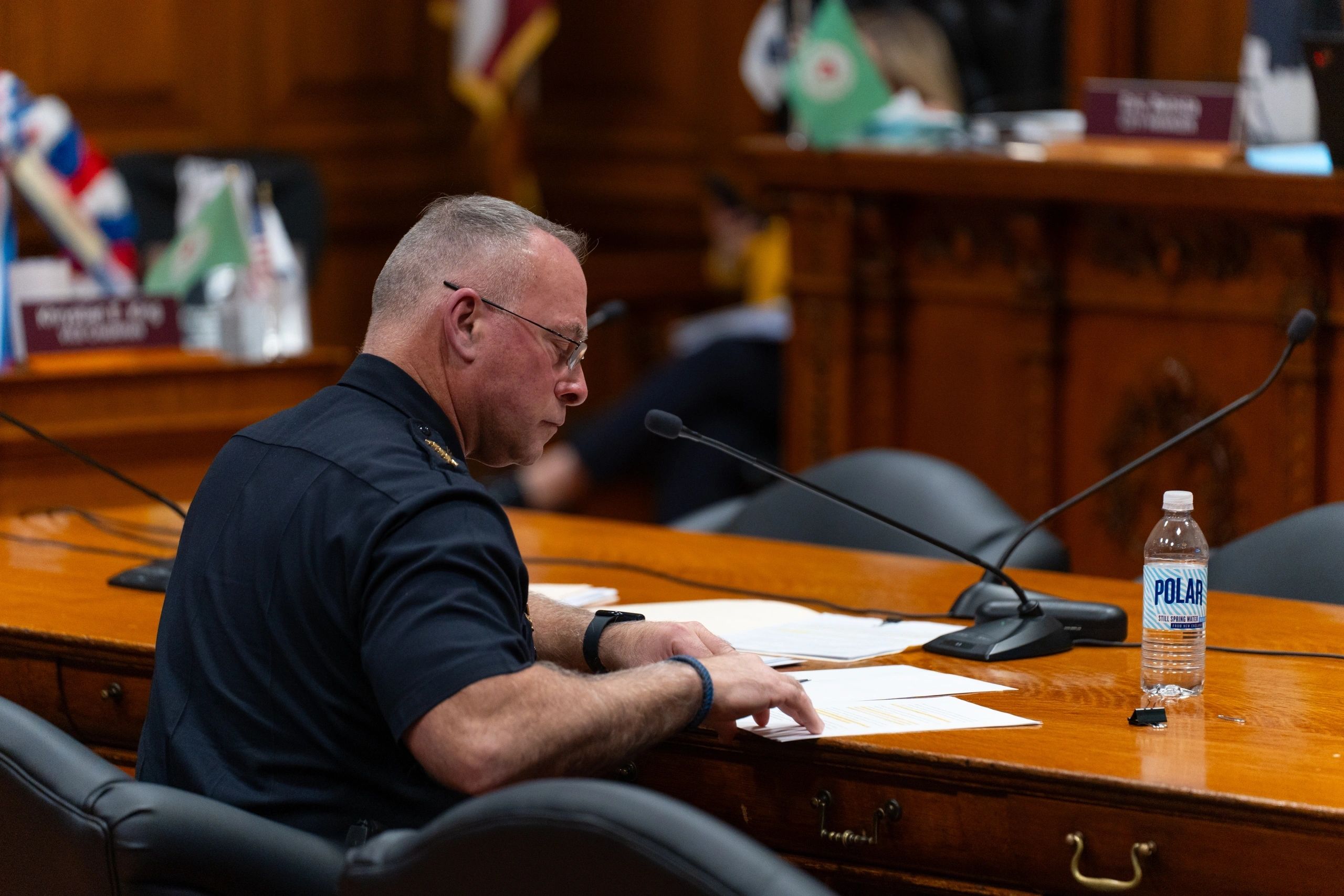
The discussion comes amid efforts by Saucier to implement reforms and improve transparency. He submitted a report to the council that addressed each of the DOJ’s 19 recommendations. He emphasized that the DOJ’s investigation, which ran from 2017 to 2022, may not fully reflect the department’s current practices.
“There are several incidents on here, where the language used by the DOJ is not even close to what happened,” Saucier said.
In one example, the DOJ reported that an officer pepper-sprayed a person while handcuffed. Saucier responded, “The person who was involved in that no longer works for our agency.”
In another case, the DOJ alleged an officer struck a shoplifting suspect. Saucier countered that the suspect was attempting to flee in a car that nearly hit the officer, prompting the officer to pull the suspect out.
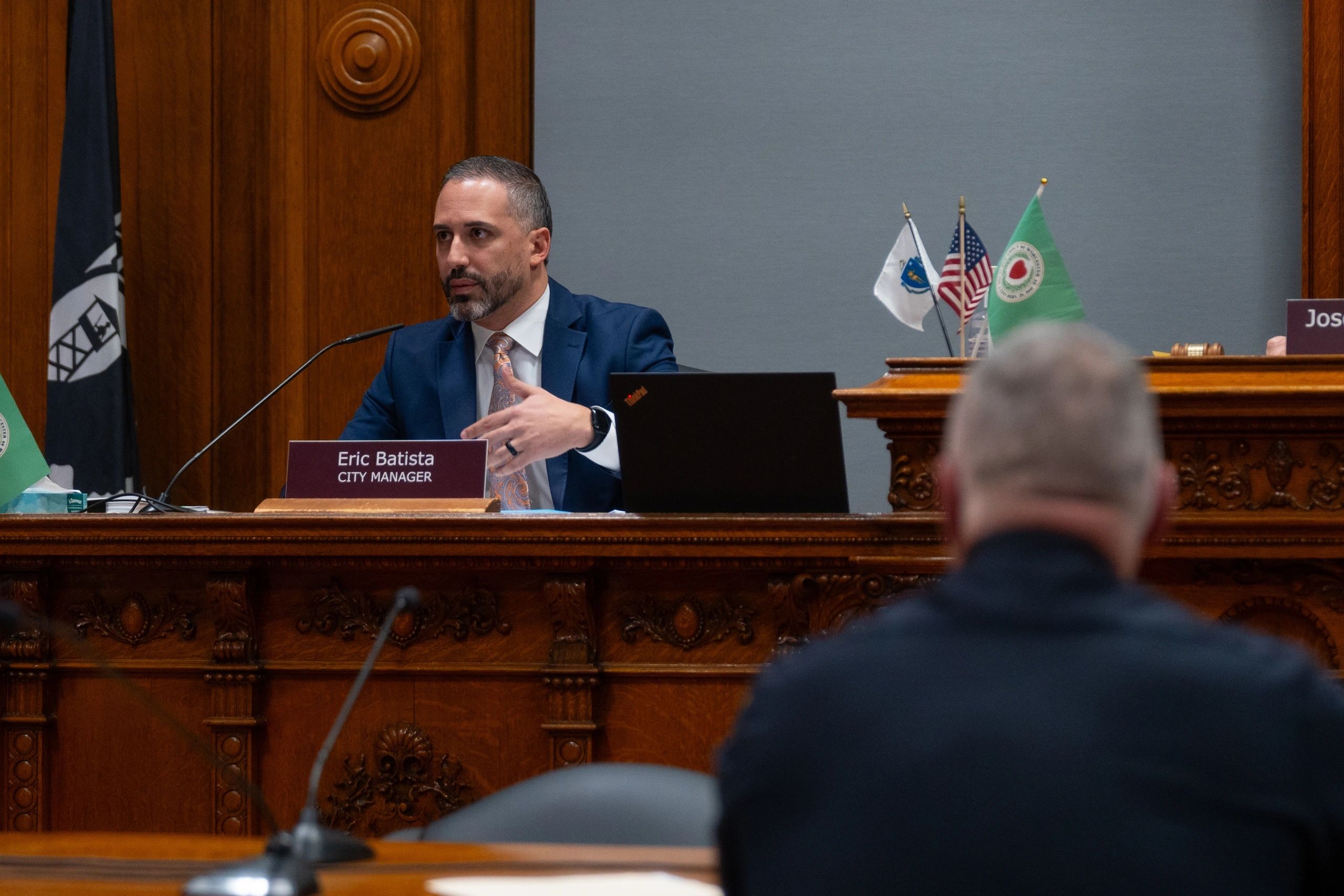
City Manager Eric Batista noted that since the DOJ investigation began, the city has launched new policies and training, including de-escalation techniques. Some complaints are still under review, but investigators are limited by the information available.
To promote transparency, Saucier announced a new website — www.policycommittee.gov — which will publicly post departmental policies and updates. The site, expected to launch within a week, will also allow residents to report police misconduct.
“As we start rolling out policies, we’re going to make them available, along with our existing policies that are out there,” Saucier said, adding that a dashboard will help users navigate the site.
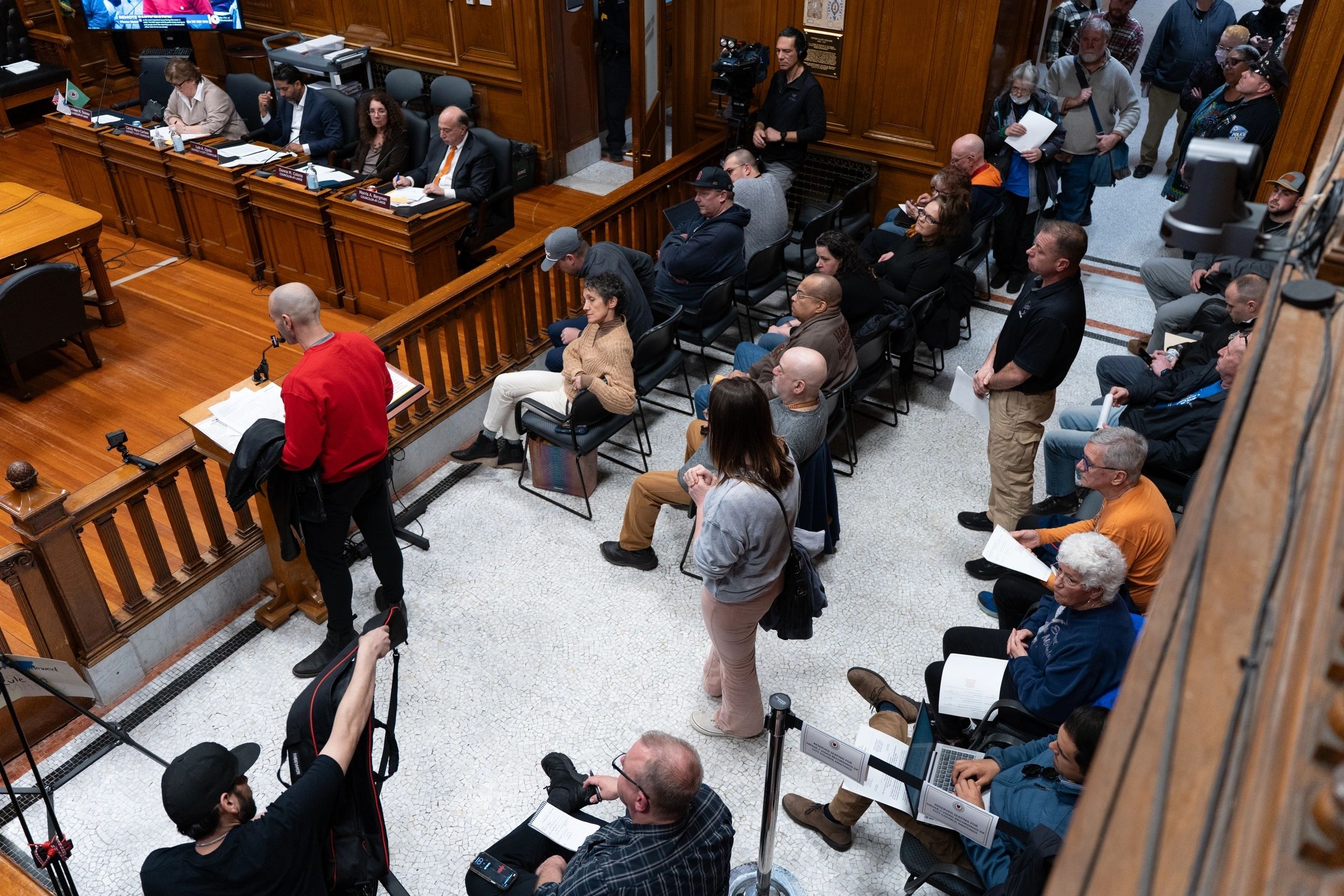
Still, residents urged the council to go further.
“Why wouldn’t we want another perspective on what the police are doing?” resident Grace Ross asked. “Sometimes a different set of eyes will come up with a different solution.”
Resident Gary Hunter echoed the call for accountability
“Most of the police here do not have a problem with people,” he said, “But unless you point out the people who have a problem, and either suspend them or fire them, everyone in the city has a bad image of the police department.”
“We need everybody to come together, clean up what happened in the past, and make sure it doesn’t happen [again],” Hunter said. “I know our new chief will try to do that.”
Some officials noted that a policy review committee — already in place — includes both officers and community members, and that the state’s Peace Officer Standards and Training (POST) Commission is also designed to ensure accountability.
