
WORCESTER—As Worcester faces mounting scrutiny over how it responds to mental health emergencies—including a pending federal lawsuit—city councilors are pressing for a clearer picture of what actually happens when those calls come in.
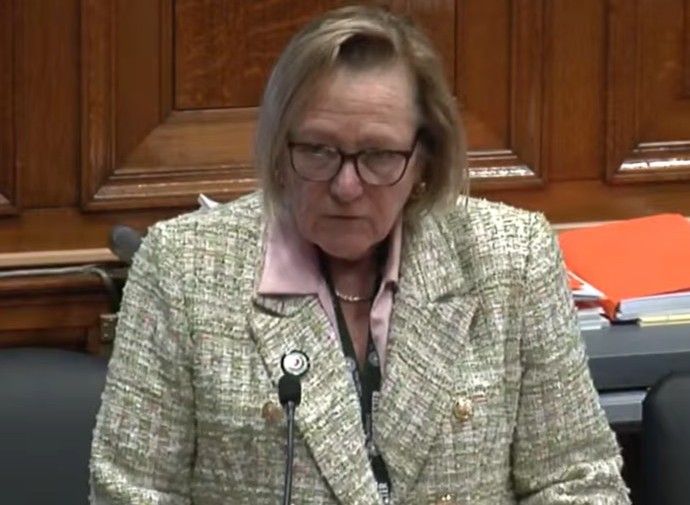
At last week’s city council meeting, Councilor Kathleen Toomey’s request for a detailed report on the city’s current mental health response system moved forward with broad support, as multiple councilors raised questions about data, coordination and whether existing efforts are enough.
The order asks City Manager Eric Batista to outline the current process used by the Worcester Police Department and Emergency Communications and Management Department when responding to mental health-related 911 calls, along with any programs or initiatives currently in place.
But the discussion made clear that for some councilors, the issue stretches beyond a simple status update.
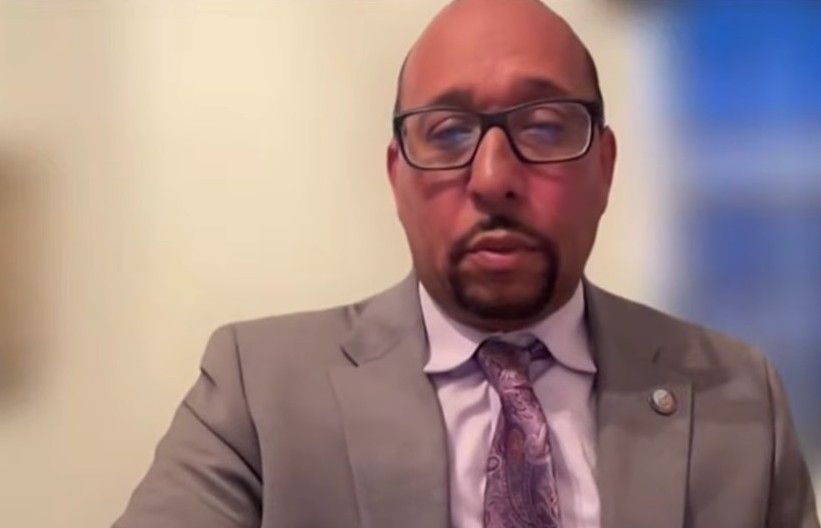
Councilor Khrystian King stressed he is still waiting on meaningful data about how the system is performing, particularly after the city moved away from a pilot program that paired police officers with clinicians in the field.
“I continually asked for metrics and data as relates to this, and I don’t believe we’ve quite received that,” King said.
King pointed to the city’s former Crisis Response Team pilot, which ran for about a year and was funded at roughly $1 million. He said the program had begun to gain traction — including building working relationships with officers and responding to calls alongside police — before it was phased out.
“That’s all gone,” King said, referring to elements of the program such as dedicated response teams and marked vehicles. He called for data on outcomes, including whether the approach reduced arrests, hospitalizations or repeat calls.
The program’s disappearance — and what replaced it — remains a central question for councilors, particularly as the city simultaneously grapples with the broader future of Community Healthlink services.
Councilors spent significant time earlier in the meeting addressing the planned transition away from Community Healthlink (CHL), which has long provided mental health, substance use and crisis services to more than 22,000 people annually. Officials are now working to ensure those services continue without disruption as the system shifts.
Against that backdrop, Batista said some level of co-response work is still happening, but confirmed that CHL—which played a key role in the earlier crisis response model — is no longer involved in responding alongside police.
“CHL currently is not involved in any co-response with police right now,” Batista said.
Instead, the city is relying on a mix of internal staff, clinicians and officers trained in crisis intervention, though Batista said a fuller explanation is forthcoming.
“We’re working to a report to be able to bring to the council,” he said, adding that the administration is trying to balance transparency with an ongoing legal case.
That case—filed in March by several mental health advocacy organizations—alleges Worcester’s emergency response system improperly defaults to police for mental health crises rather than deploying trained clinicians, potentially violating federal disability laws.
The lawsuit piles on some urgency to the council’s inquiry, even as city officials caution that it limits what can be publicly discussed.
Toomey, however, spoke a second time on the issue specifically to repeat that her order is focused squarely on the present and the path forward.
“This order is about understanding where we are today and where we need to go to continue to better respond to mental health emergencies,” she said.
Toomey said she is seeking basic but critical information: how often clinicians are involved in responses, what training officers and dispatchers receive, and what outcomes the city is seeing.
“We need to state the facts of what’s actually happening now so that we can continue to improve,” she said.
She added that about 80 hours of clinician support are currently being deployed alongside police, but said it remains unclear how that system functions in practice or how effective it is.
Other councilors echoed the need for more data — and suggested that existing information already points to growing demand.
Councilor Robert Bilotta cited a recent analysis of police response data, noting that a majority of geographic areas in the city had significant numbers of calls requiring some form of clinical co-response.
“I think the data really clearly shows that we need to invest more in the clinical co-response model,” Bilotta said.
Councilor Gary Rosen also voiced support for expanding that approach, pointing to longstanding models in other cities.
“These are people going out and working with the police, not taking over for the police, not interfering with the police, but just adding another layer of help,” said Rosen.
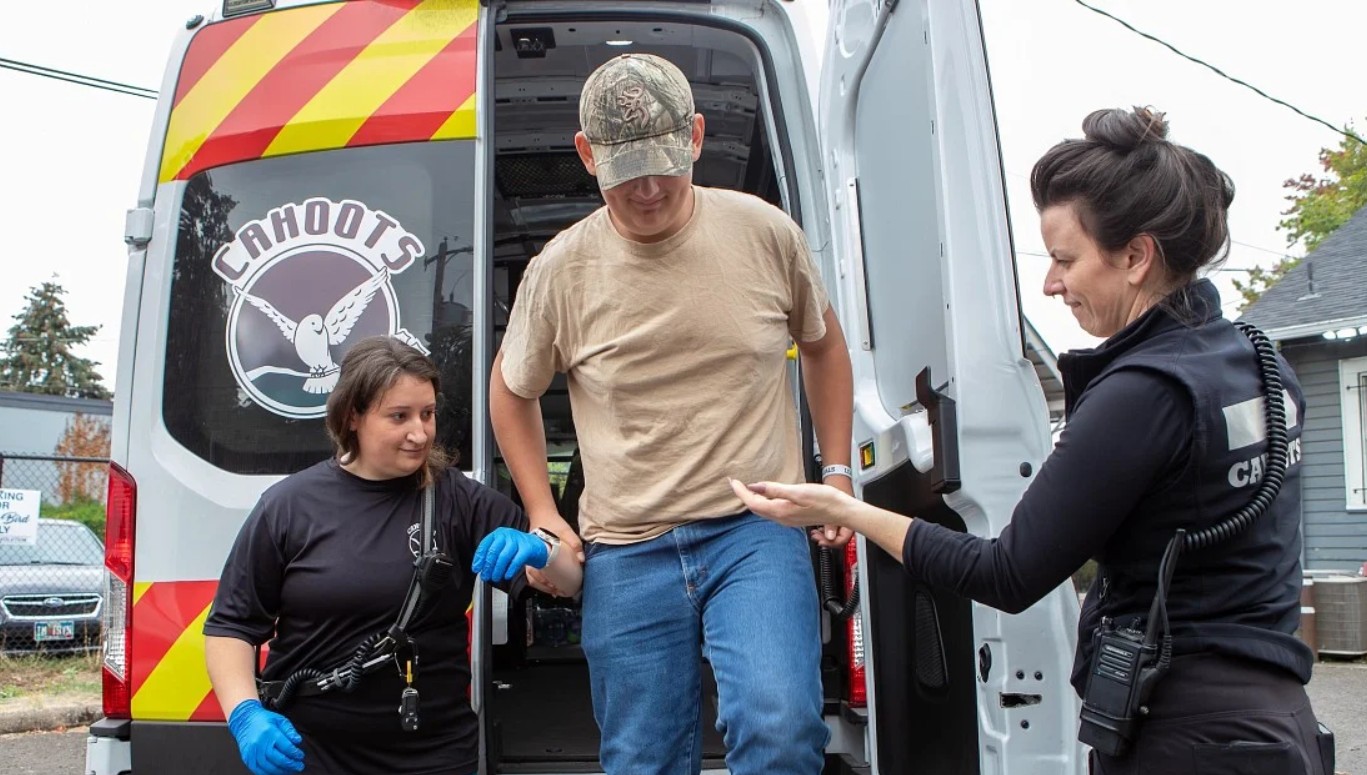
The concept — pairing officers with mental health professionals or, in some cases, sending clinicians instead of police — has gained traction nationally as cities look for ways to de-escalate crises and reduce reliance on law enforcement in behavioral health situations. Rosen urged city leaders to look into the CAHOOTS program, a mobile crisis intervention service that works in tandem with the police. He said the program has “worked well in Eugene, OR, for decades.”
For King, the stakes are both public health and public safety.
“We need to make sure that we’re filling those gaps,” he said.
Batista said the forthcoming report aims to address those concerns, including outlining current practices, identifying gaps and presenting potential options moving forward.
“We want to make sure that we provide a comprehensive outlook,” he said.
The report is expected to return to the city council in the coming weeks.
Charlene Arsenault can be reached at carsenault@theworcesterguardian.org
