
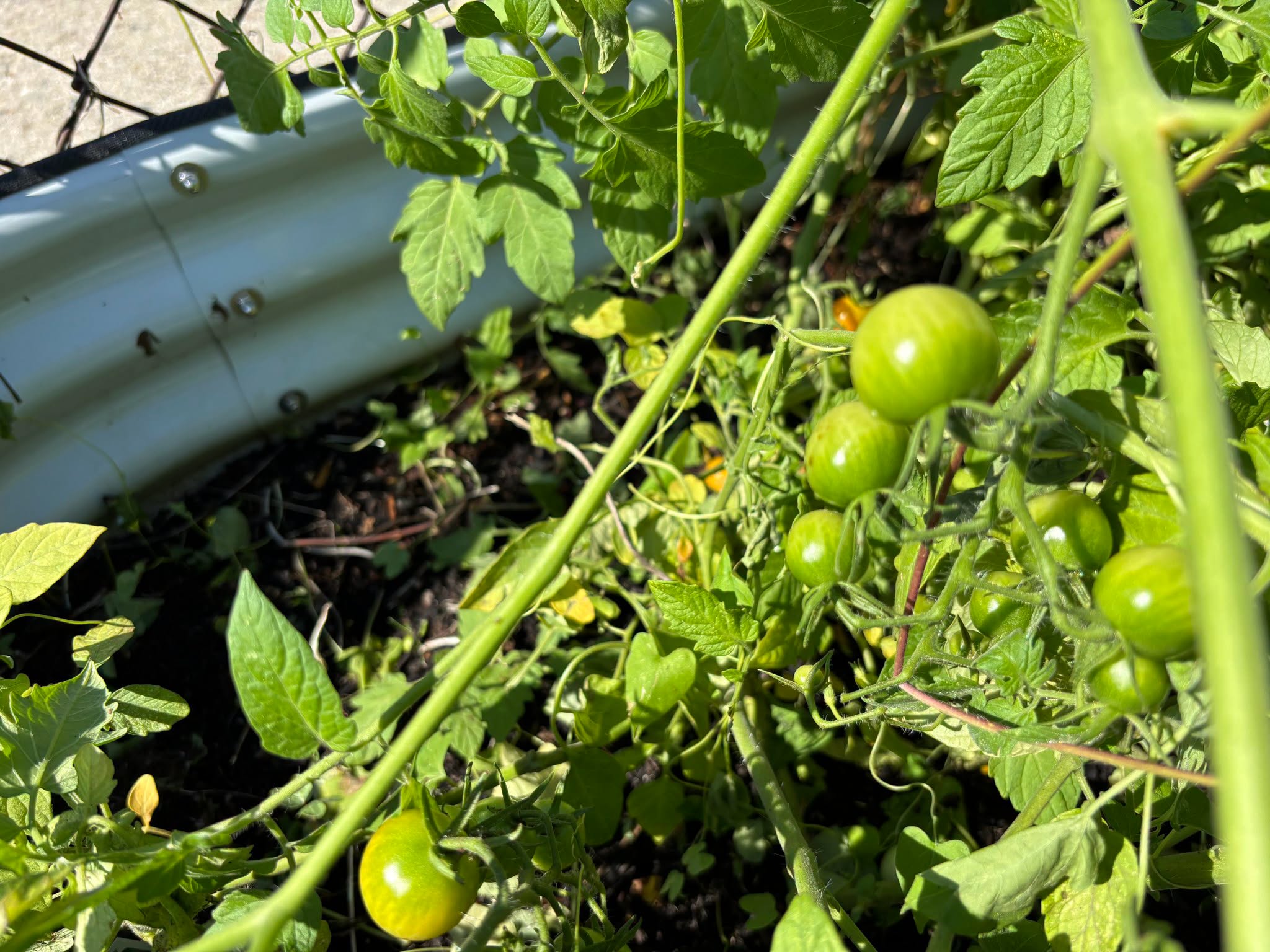
A state grant awarded this spring is now taking root across Worcester Public Schools, expanding pollinator gardens and putting more students within buzzing distance of a hands-on environmental lesson.
Officials from the Massachusetts Department of Fish and Game and Worcester’s Regional Environmental Council visited the outdoor garden at Elm Park Elementary School on Friday to view work supported by nearly $56,000 from the state’s Community Biodiversity Grant Program.
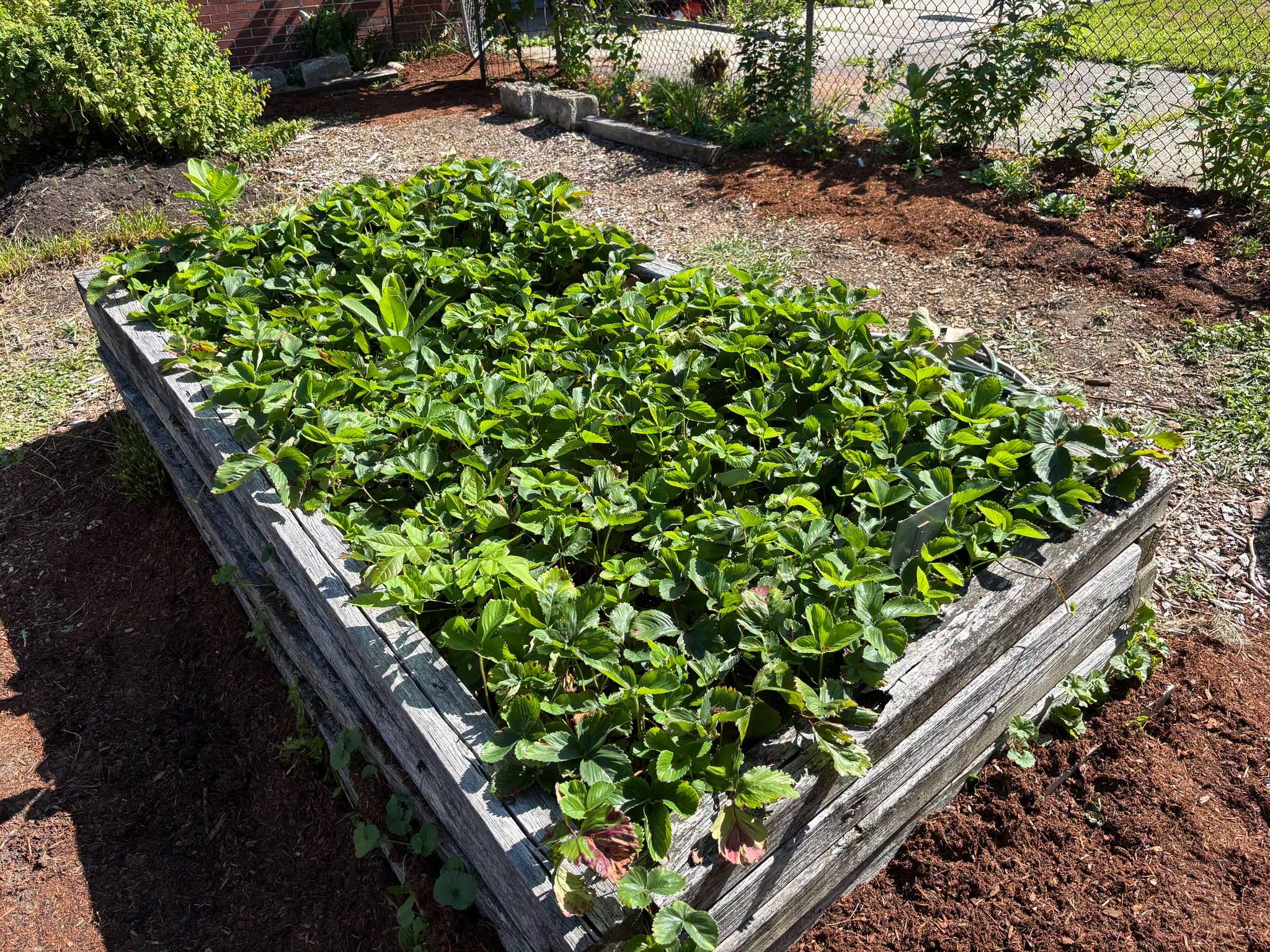
The Regional Environmental Council received $55,875 to expand 10 existing pollinator gardens and install five new gardens in historically underserved Worcester neighborhoods, primarily at public schools.
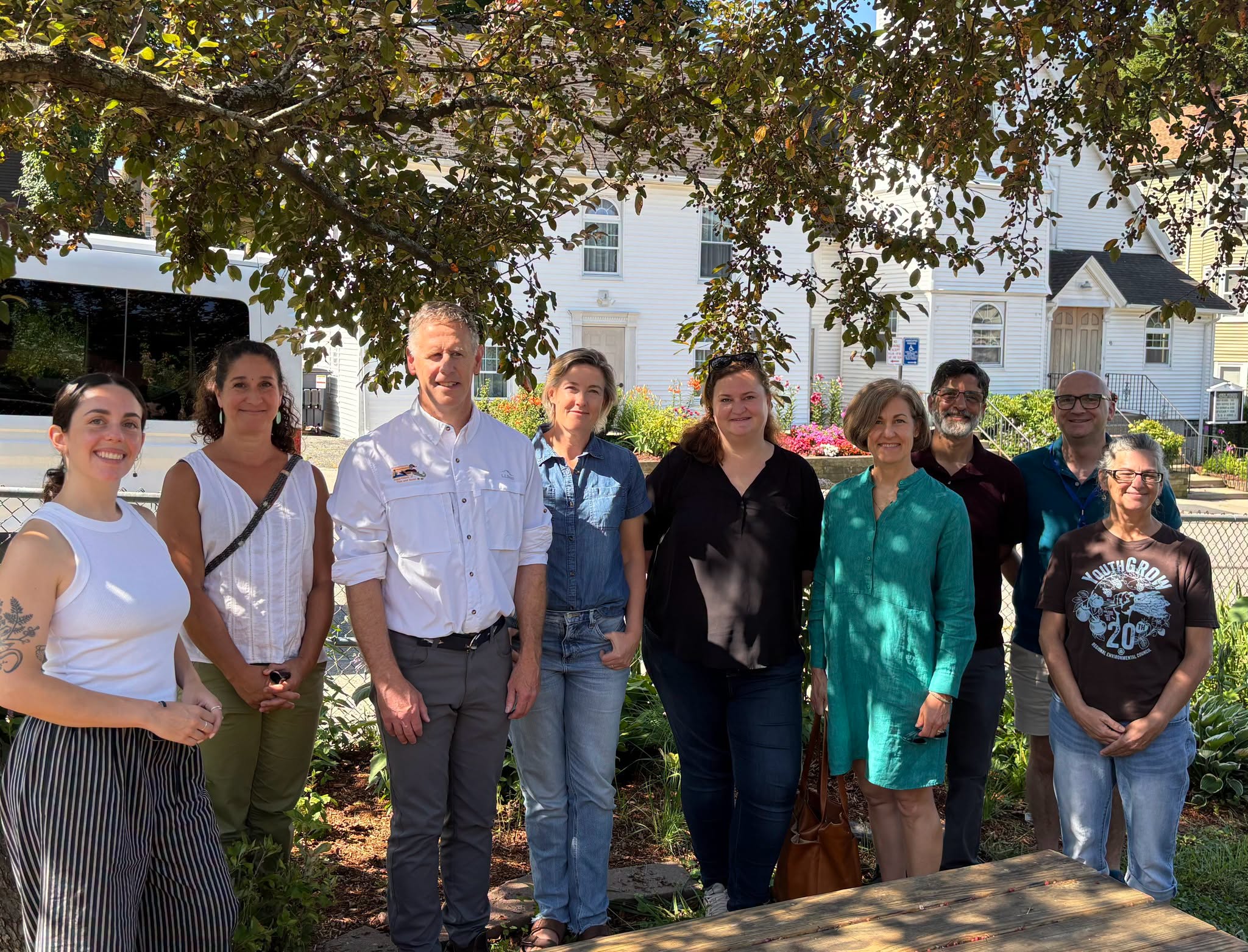
According to Worcester Public Schools, the project benefited gardens at Elm Park, Tatnuck, Rice Square, Wawecus Road, Jacob Hiatt, Flagg Street, Goddard, Clark Street and Vernon Hill elementary schools, along with North High School and Worcester Technical High School.
More than 40 native perennial species were planted as part of the effort, which is intended to support pollinators, improve soil health and make Worcester’s urban environment more resilient. The state said the project would add more than 1,500 square feet of pollinator habitat and increase the number of beneficial plants at participating sites by 50%.
The initiative is also expected to engage at least 300 community members, most of them Worcester Public Schools students, in environmental education and garden stewardship, according to the state’s March grant announcement.
The Worcester project was one of 12 statewide efforts awarded a combined $1.1 million through the Community Biodiversity Grant Program. The grants support locally led projects ranging from habitat restoration and urban forests to wildlife monitoring and public education.
“I am very pleased to see that both the EcoTarium and Regional Environmental Council (REC) received funds from the Massachusetts Community Biodiversity Grants Program,” state Rep. James O’Day said in a statement. “Both of these institutions provide invaluable ecological services to the Commonwealth and play a vital role in strengthening environmental awareness and sustainability across the Greater Worcester community.”
The gardens are designed to do more than provide a nicer view outside school windows. By creating small habitats for bees, butterflies and other pollinators, the project gives students a living classroom while adding pockets of native vegetation throughout the city.
