
Clark University’s psychology department is going to be one of the first programs in the country to join a new initiative that addresses the mental health effects of antisemitism on Jewish college students and improves how future mental health professionals recognize and respond to anti-Jewish bias. That’s the goal, at least.
The initiative, launched by the Ruderman Family Foundation and Project Shema, plans to work with as many as 25 colleges and universities during the 2026-27 academic year, according to an announcement from the organizations.
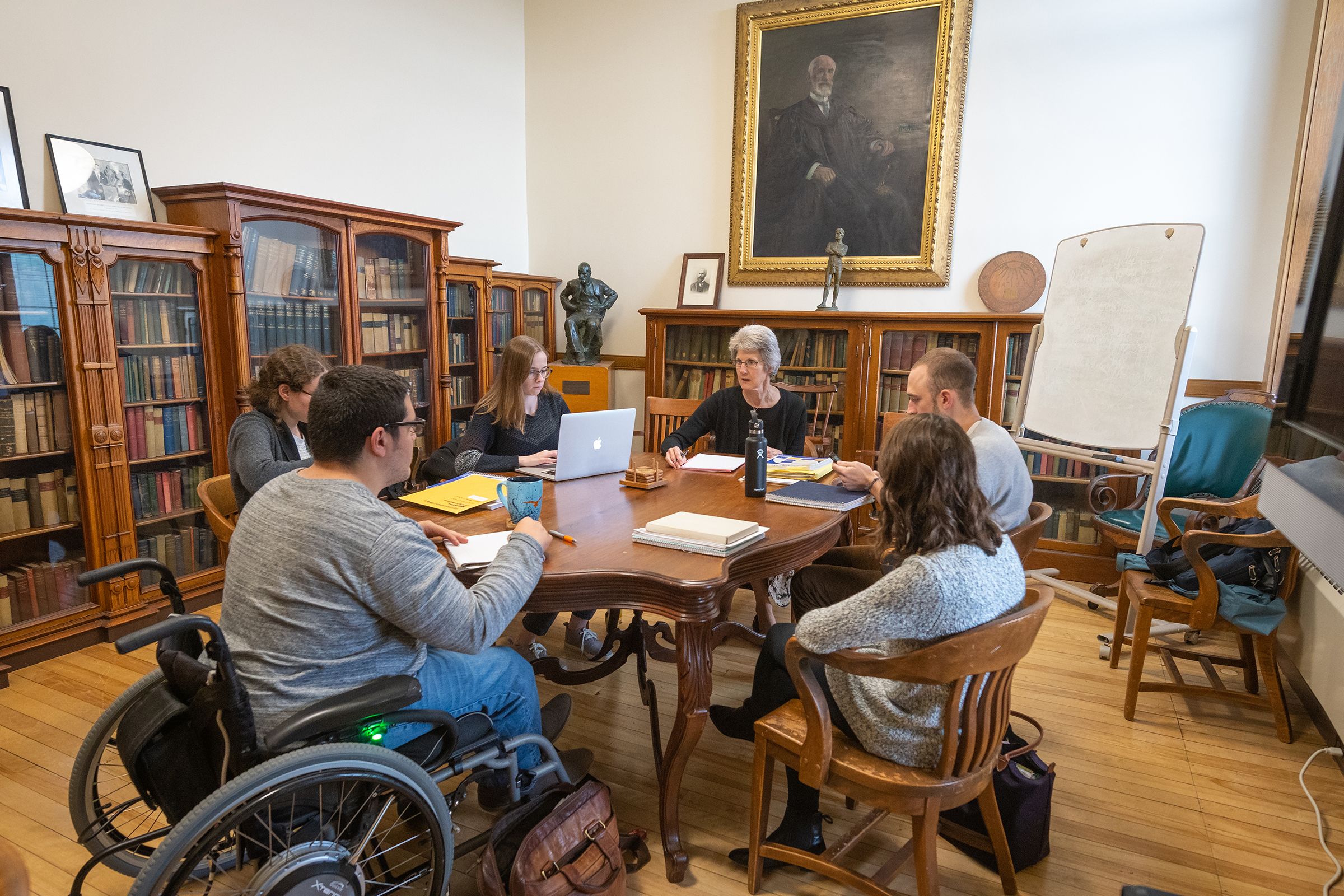
At Clark, the effort focuses on the psychology department and its role in educating future psychologists and other mental health professionals. Organizers said the program will work with administrators, counseling center staff and academic leaders to incorporate education about contemporary antisemitism into professional training.
The initiative comes as Jewish students continue to report antisemitism and hostility on college campuses.
A 2026 study by Brandeis University found that 47% of Jewish college students surveyed had experienced some form of prejudice on campus because of their Jewish identity, while 37% described their campus as hostile to Jews. The research drew from a national sample representing more than 300 colleges and universities.
Organizers say the new program is intended not only to help colleges recognize contemporary forms of antisemitism, but also to examine the psychological consequences for students who experience it.
“Antisemitism doesn’t just affect Jewish students’ sense of belonging. It can have a profound impact on their mental health and well-being,” Jay Ruderman, president of the Ruderman Family Foundation, said in the announcement. “Addressing that impact requires collaboration, education, and a commitment to building more inclusive campus communities.”
Project Shema will provide participating colleges with educational programming tailored to institutions and academic programs that train future mental health professionals. The curriculum includes mental health material developed in collaboration with Dr. Miri Bar-Halpern as well as additional resources colleges can use beyond the initial training.
Project Shema describes its approach as research-based and centered on helping participants understand Jewish identity, identify anti-Jewish bias and harmful narratives, and promote Jewish inclusion within diverse institutions.
The program will also address some of the more complicated ways antisemitism can surface in campus discussions, including debates surrounding Israel and the Palestinian territories.
“Jewish students are navigating complex identities and forms of harm that are often misunderstood, particularly in conversations around Israel and Palestine,” Kara A. Wilson, chief strategy officer at Project Shema, said in the announcement. “This partnership will equip future mental health professionals, and the learning institutions that prepare them, to recognize antisemitism with greater nuance and respond with care.”
Wilson said the goal is to create environments in which Jewish students can participate fully in campus life “without having to flatten or defend their identities.”
The initiative combines Project Shema’s work on contemporary antisemitism with the Ruderman Family Foundation’s efforts to reduce stigma surrounding mental health and identify gaps in mental health services and programming in high schools and colleges.
By bringing that work into university programs that educate psychologists, social workers and counselors, organizers hope the effort will reach beyond current campus populations and influence how a new generation of mental health professionals understands and responds to antisemitism.
