
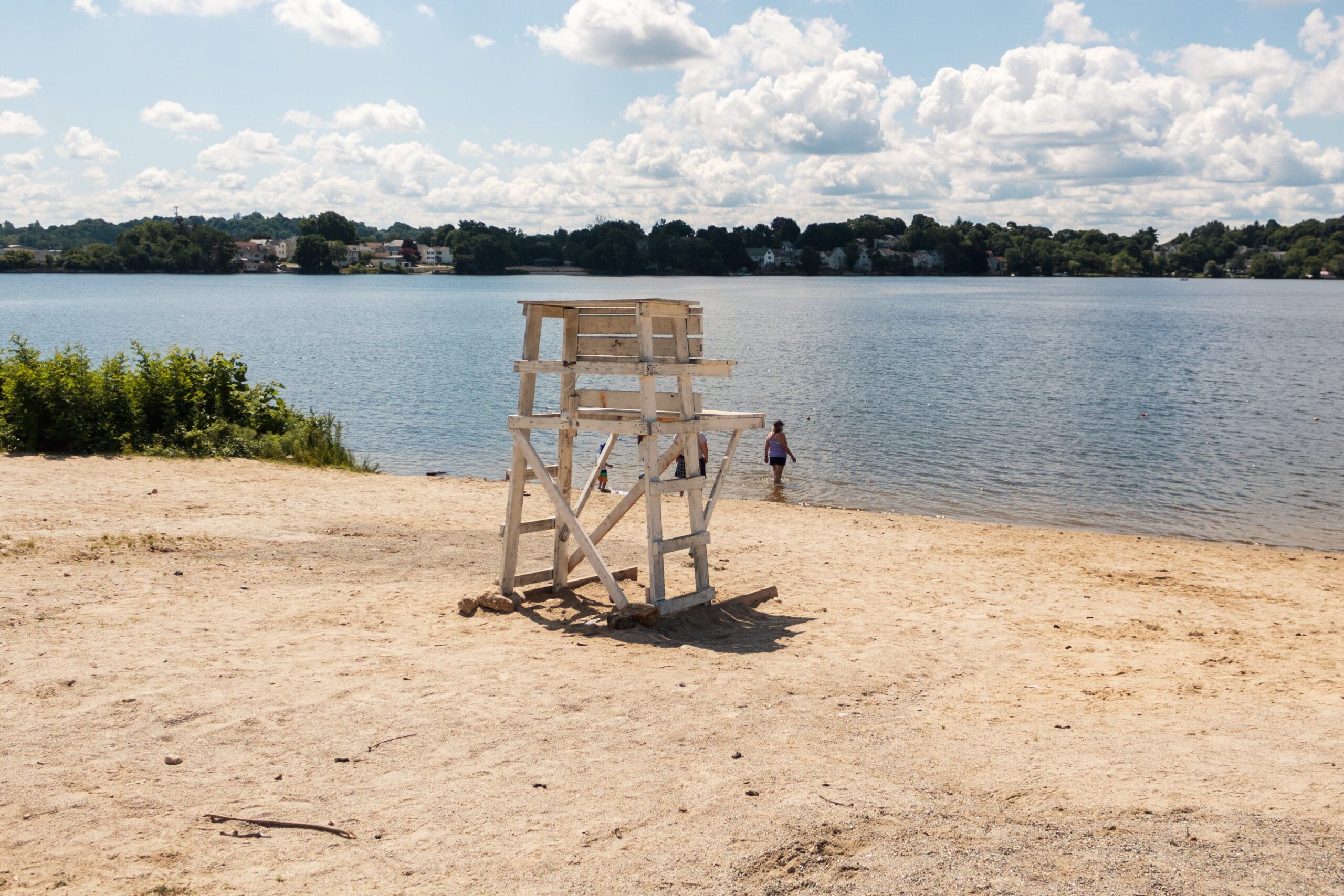
Coes Reservoir has reopened after elevated cyanobacteria levels prompted its closure late last week, city officials announced Monday.
The city said new testing showed concentrations of the potentially harmful bacteria have declined and no longer pose a threat to public health, clearing the way for recreational use of the reservoir to resume.
The reopening comes after testing results received Aug. 28 showed cyanobacteria densities above the state threshold for recreational waters.
Coes Pond parks and Stearns Tavern have also reopened after being closed because of the Solomon investigation, according to the city’s announcement. Those closures were separate from the cyanobacteria issue.
Cyanobacteria, sometimes referred to as blue-green algae, occur naturally in bodies of water but can become harmful when concentrations rise. Elevated levels can pose health risks to people and animals that come into contact with contaminated water.
Worcester maintains a monitoring and management program for cyanobacteria in the city’s recreational waters. The program tracks conditions in an effort to determine when concentrations may make swimming and other recreational activities unsafe.
The city did not specify in Monday’s announcement when the reservoir was initially closed or provide the latest cyanobacteria density measurement, saying only that cell densities had declined enough that there is currently no public health threat.
Residents with questions about recreational water conditions can contact Worcester’s Department of Sustainability and Resilience at 508-799-8324.