
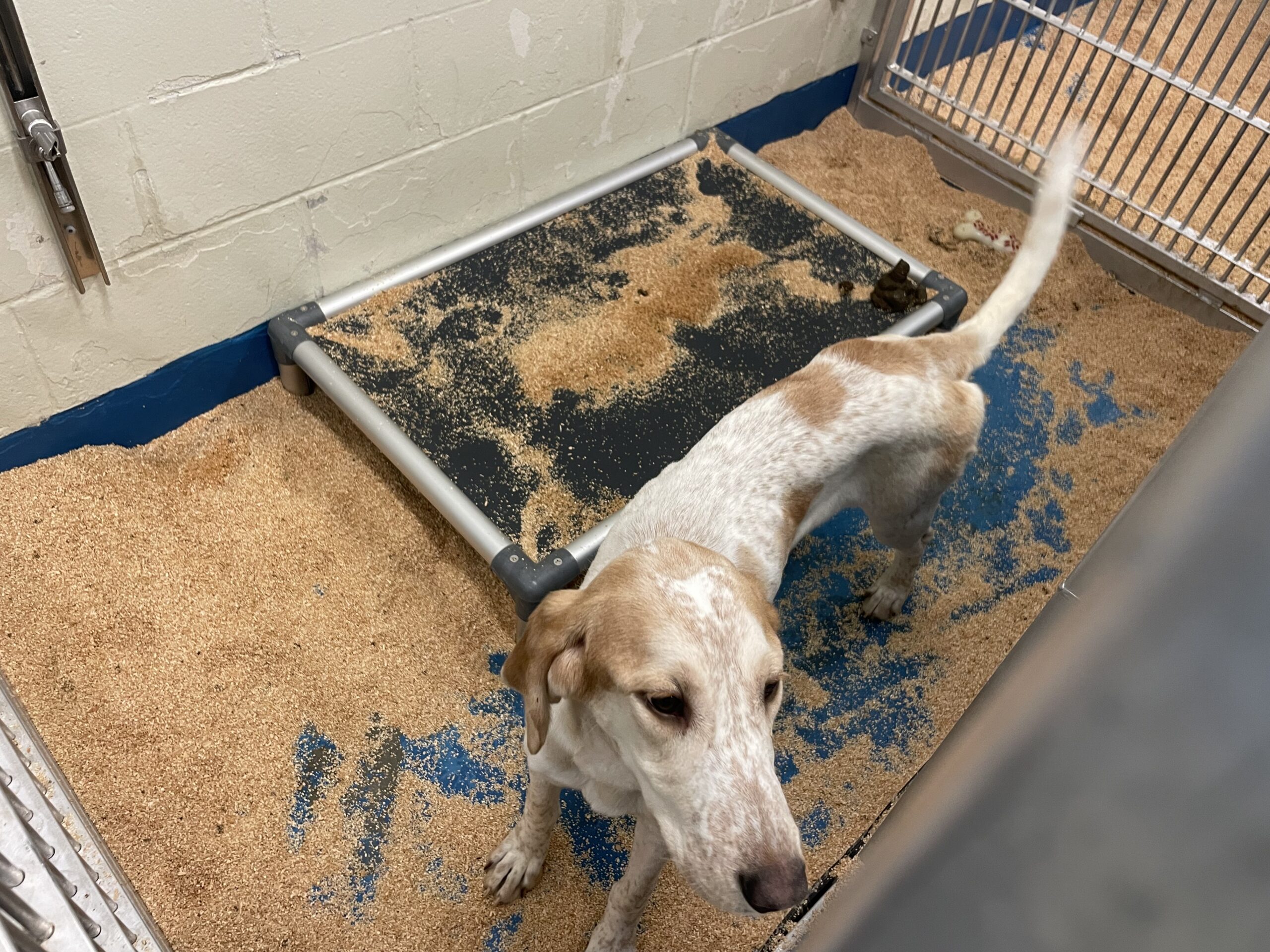
People for the Ethical Treatment of Animals has sued UMass Chan Medical School, accusing the public university of improperly withholding information about the committee responsible for reviewing and overseeing research involving animals.
PETA filed the public records lawsuit Tuesday in Suffolk County Superior Court, challenging UMass Chan’s refusal to release the names of members of its Institutional Animal Care and Use Committee, or IACUC, along with other information about the panel’s work.
The organization filed a separate lawsuit against UMass Amherst involving records from that university’s animal research oversight committee.
At UMass Chan, the IACUC is responsible for reviewing and approving proposals involving vertebrate animals used in research, teaching and testing and overseeing the institution’s animal research program.
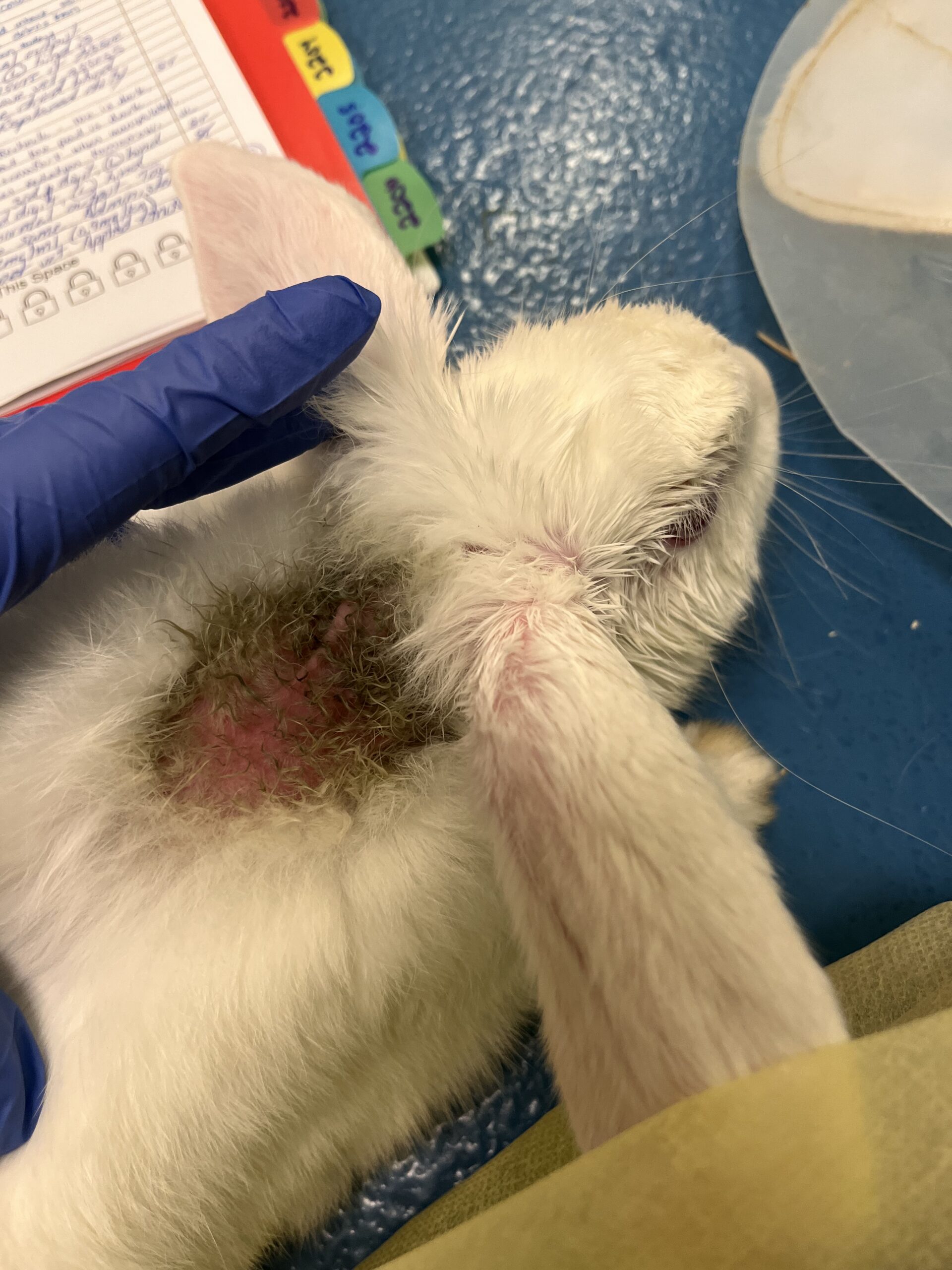
The lawsuit adds a new layer to an ongoing dispute between PETA and UMass Chan over animal research at the Worcester medical school. PETA filed complaints with state and federal regulators in December alleging widespread failures in the care of research animals and criticizing the effectiveness of the same oversight committee whose records are now at the center of the lawsuit.
UMass Chan has previously defended its animal research program, telling the Worcester Guardian in December that it is “committed to upholding the highest standards of laboratory animal welfare in our research programs” and to “rigorous compliance with all regulations governing the ethical and humane treatment of animals in research.”
The medical school has not yet responded publicly to Tuesday’s lawsuit.
PETA said it submitted a public records request in January seeking the names of UMass Chan’s IACUC members as well as notices, agendas and minutes from the committee’s meetings.
According to PETA’s announcement of the lawsuit, UMass Chan initially told the organization that it would release the committee members’ names but later reversed course, citing privacy and security exemptions under the Massachusetts Public Records Law.
PETA contends those exemptions do not justify withholding the information and argues that the public has a right to know who is making decisions about animal research at a publicly funded institution.
“Committee members are public employees at public universities, and the law is clear that the people paying the bills have a right to know who’s making decisions about animals’ lives behind laboratory doors,” PETA Senior Vice President Kathy Guillermo said in the organization’s announcement. “PETA is going to court to drag these committees out of the shadows and hold UMass to the same transparency standard the law demands of every taxpayer-funded institution.”
The lawsuit does not ask the court to determine whether particular animal experiments are appropriate. Instead, the dispute centers on whether records concerning the committee overseeing those experiments must be disclosed under state public records law.

Institutional Animal Care and Use Committees are required at institutions conducting certain federally regulated or funded animal research. Their responsibilities include reviewing proposed animal use, inspecting animal facilities and evaluating institutional animal care programs.
The lawsuit comes less than a year after PETA raised broader allegations about animal welfare at UMass Chan.
In December, the organization filed complaints with the Massachusetts Department of Public Health, U.S. Department of Agriculture and National Institutes of Health’s Office of Laboratory Animal Welfare based on information it said came from an internal whistleblower.
Those complaints alleged inadequate veterinary care, staffing shortages, improper pain management and other problems involving dogs, rabbits, ferrets, pigs and other animals used in research.
PETA argued at the time that the allegations raised questions about the effectiveness of UMass Chan’s IACUC, which is charged with oversight of animal research at the medical school.
UMass Chan responded in December that animal care professionals and administrators regularly review procedures governing animal use and noted that its program is accredited by AAALAC International and subject to USDA inspections.
The new litigation focuses specifically on whether the public is entitled to see more of the committee’s work, and know exactly who is doing that work.
PETA’s lawsuit against UMass Amherst raises similar transparency questions. The organization said it requested that school’s IACUC meeting minutes in October 2025 and received them in March with committee members’ initials and other portions of the records redacted.
PETA previously sued UMass Amherst over animal research records in litigation that ended in a 2025 settlement. According to PETA, the university agreed to provide records sought by the organization, disclose the names of its 2025 IACUC members and pay $50,000 toward PETA’s legal fees and costs.
The new lawsuits ask the court to compel the universities to disclose records PETA contends are public.
Have news, tips, or a story worth telling? Feedback to this story? A good recipe, a funny joke or a suggestion? Reach Editor Charlene Arsenault at carsenault@theworcesterguardian.org—because good stories (and great scoops) deserve to be shared.
- The Worcester Guardian is an independent nonprofit news organization. Support local journalism by making a DONATION today.