
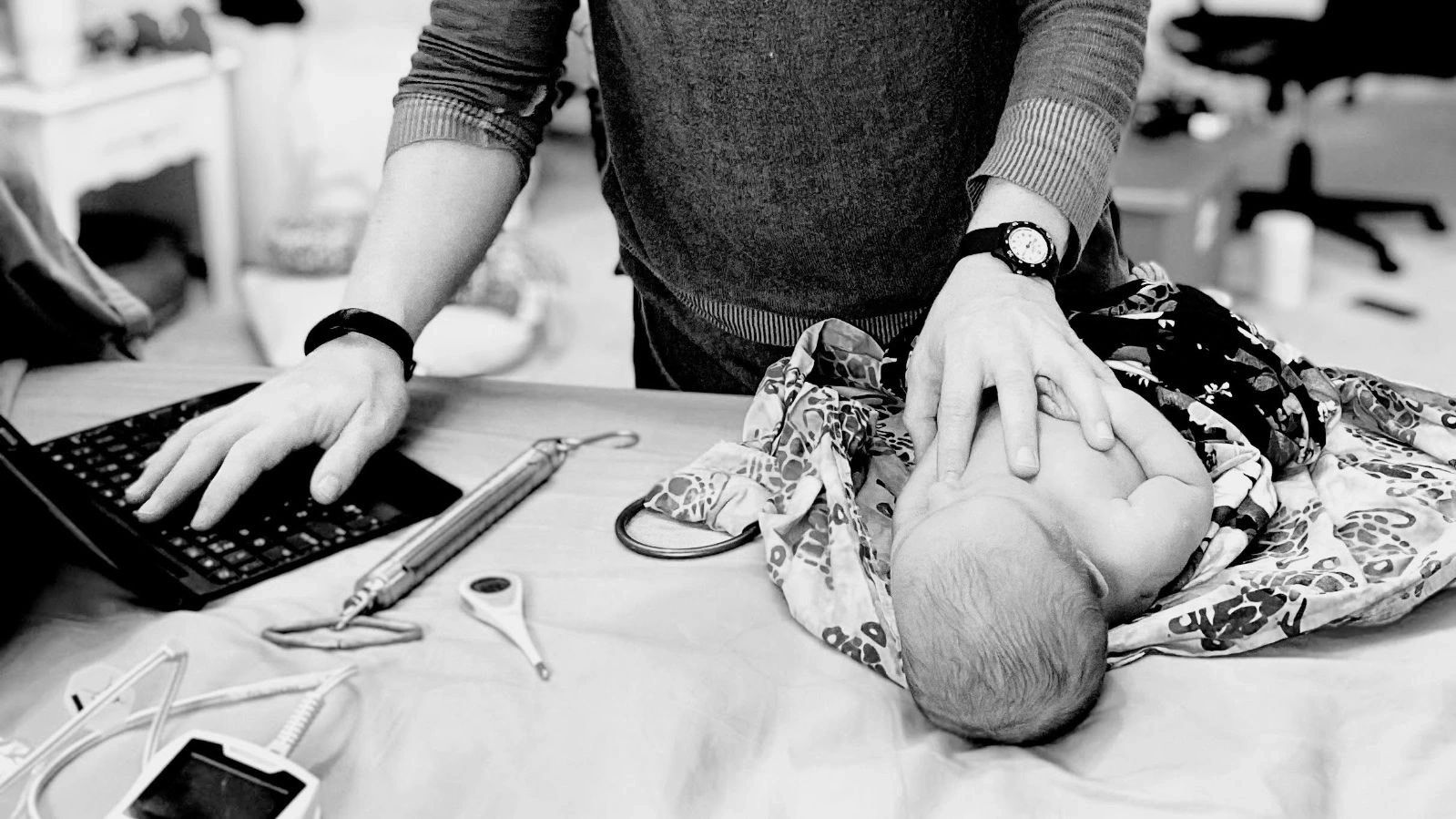
WORCESTER—In a move to address maternal health disparities, the Healey administration has awarded substantial grants to three innovative birth centers across Massachusetts. The initiative aims to provide alternative care settings for lower-risk pregnancies, potentially revolutionizing maternal healthcare in the state.
Worcester Community Midwifery, Neighborhood Birth Center in Roxbury, and Seven Sisters Midwifery Birth Center in Northampton have each secured a split of the $1 million in state funding.
“We started Worcester Community Midwifery as a private practice about a year and a half ago and have been serving the community out of an office,” said Rachel Blessington, certified nurse midwife and founder of Worcester Community Midwifery. “The city and most of the state don’t have birth center options for care.”
The grant comes at a critical time. Recent global statistics paint a grim picture of maternal health, particularly in lower-income communities. In 2020, nearly 800 women died daily from preventable causes related to pregnancy and childbirth. Alarmingly, the CDC’s most recent report put the U.S. mortality rate at 32.9 deaths per 100,000 births.
“A recent report came out from Governor Maura Healey outlining how even though the United States spends the most money on healthcare, we have poor outcomes compared to other countries,” Blessington noted.
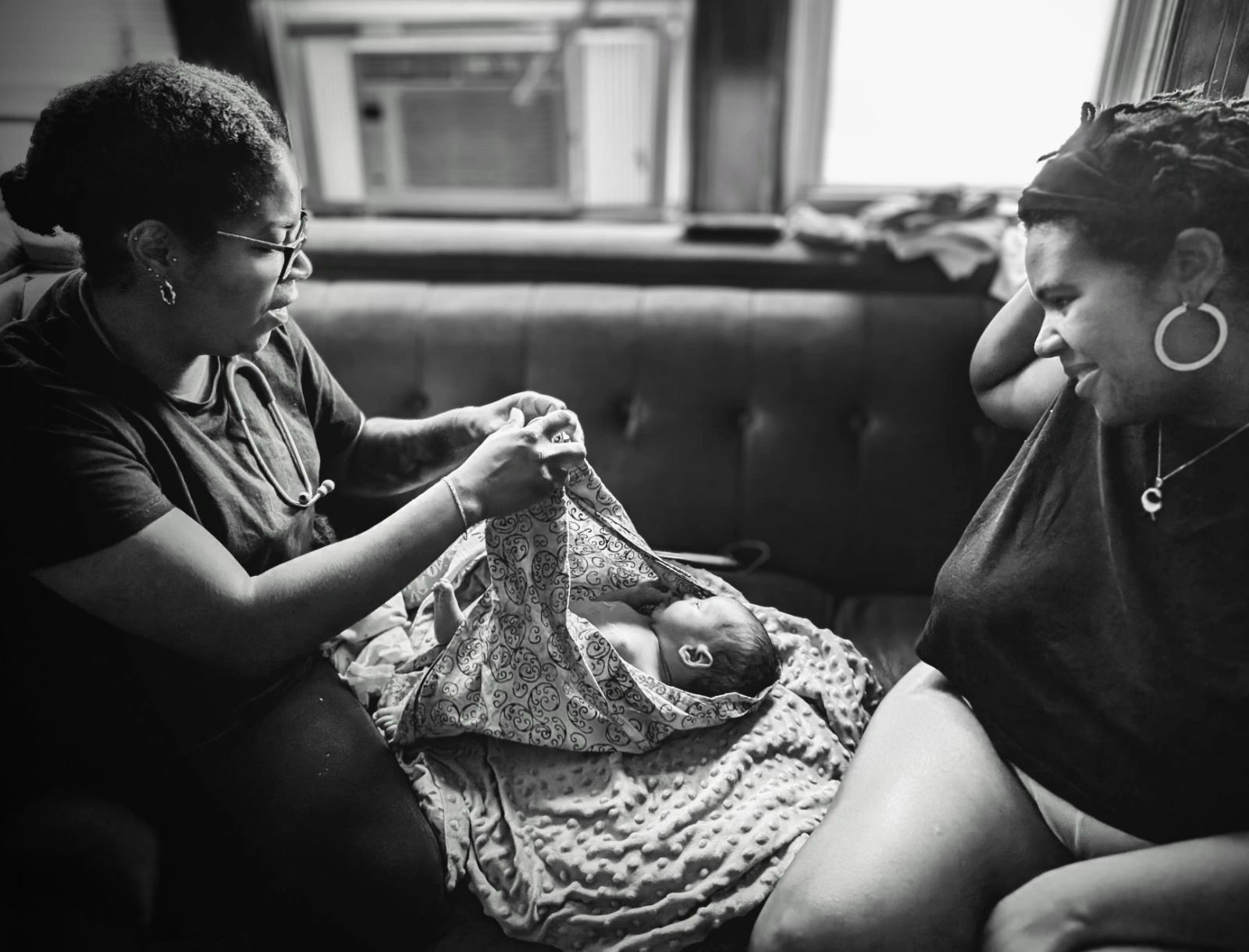
The birth center model, championed by Blessington and her colleagues, offers a promising solution. “The birth center model is a great fit and has a lot of evidence behind it globally and also in the U.S.” Blessington said. “So we applied to this grant through the Massachusetts Department of Public Health.”
For Worcester Community Midwifery, the grant funds the refurbishment of a building and the purchase of essential equipment. The center will be staffed by certified nurse-midwives, offering a unique and patient-centered approach to maternal care.
“Midwifery care is a different model than the average consumer is tapping into through the hospital system,” Blessington explained. “It’s a lot more about education, empowerment, and maintaining health. It’s a partnership between clients and the provider, rather than a top-down model.”
This patient-centered approach is reflected in the center’s practices. Unlike typical medical appointments that last mere minutes, Worcester Community Midwifery allots 45 minutes for each patient visit. The center also welcomes family members, including children, addressing a common barrier to care for many patients.
When talking about the impact of this personalized care model, Blessington added, “Midwifery care has great outcomes in terms of the health of the mom and baby, including fewer inductions, fewer C-sections, and more patients meeting their lactation goals if they plan to make milk for their baby.”
“This is about making more community-based and community-centered maternal health care available across the state,” said Senator Robyn Kennedy. “Increased funding will also help make more postpartum care and more post-miscarriage mental health care available to women in our community so that they can access a full spectrum of care.”
When Bethany Mann, a Worcester resident, gave birth in 2017, she wanted the support of a midwife during her delivery to advocate for her needs. However, her insurance didn’t cover midwifery services, and paying out of pocket was too expensive.
As a result, she gave birth in a hospital, with her newborn son staying in the NICU for a week. Because of these challenges, Mann became a strong advocate for equitable and quality maternal care, and still finds problems with the current system.
“I see flyers on some hospitals and doctors’ offices about postpartum and if you need help contact so and so,” said Mann, “but all I hear from women is that the state takes their kids and doesn’t actually do anything to ‘help’ the mothers. We are all just a number in the system.”
Kennedy stressed that addressing disparities in maternal outcomes is crucial. “I think that’s why culturally reflective care is so important,” she said, “and understanding different cultures’ maternal practices and making sure that it’s something that can be incorporated in the local community-centered practice rather than in the larger hospital setting.”
Rachael Ellis, another Worcester resident, echoed Kennedy’s thoughts by saying, “Maternal healthcare can be improved by increasing access to prenatal and postnatal services, enhancing education around maternal health, and implementing community-based programs that address social determinants of health.”
Ellis also emphasized the role of local government in facilitating change. “The city can operate differently by fostering partnerships between healthcare providers and community organizations to create more accessible and culturally relevant care,” she said. “Implementing policies that prioritize maternal health and investing in education and outreach programs can also help ensure that all women receive the care they need,” she proposed.
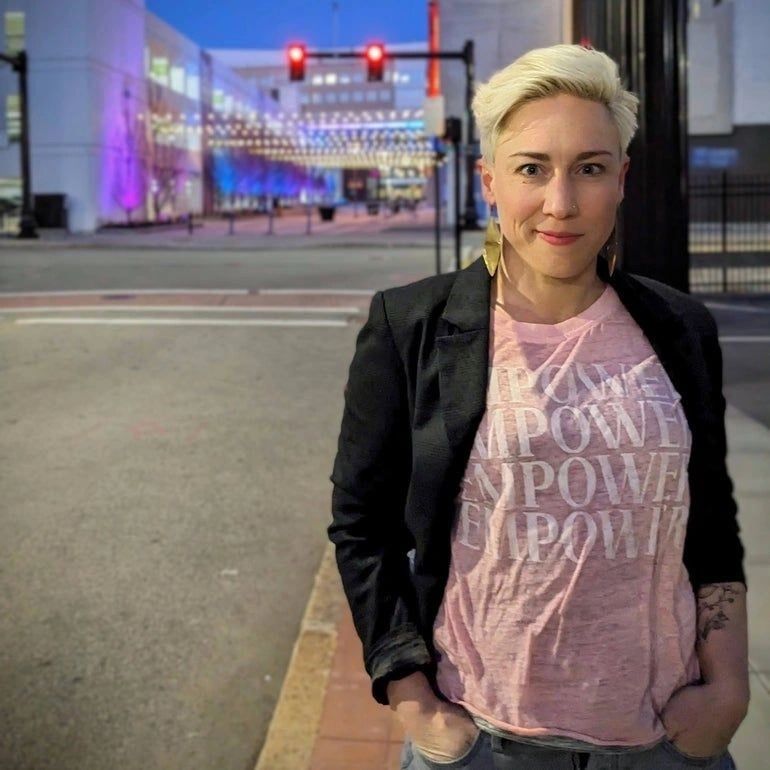
Blessington and her team are committed to addressing these concerns. “Part of our mission is to create the practice and birth center so that it’s a place where our local community can come and train and step up into these roles to serve each other,” she said.
The funding will help Worcester Community Midwifery address the difficulties in building a suitable facility. “The biggest leap we’re taking with this project is the facility,” said Blessington. “Finding space that meets the requirement for the CABC, the accrediting body for birth centers, is important. The DPH also has their own requirements.”
Despite these hurdles, advocates are optimistic about the future of maternal care in Worcester and beyond. As Blessington noted, “I expect more support to come in the coming months and years. It’s sad that it’s taken so long for it to become part of the public awareness that this need exists in our community, but it’s greatly supported by local and state leaders and healthcare officials in the state.”
Matt Olszewski is a freelance content and news writer based in Boston, MA. In his free time, Matt enjoys running, hiking or skiing. Matt is currently finishing up the MPH degree program at Tufts University. He can be reached at mattoskier@gmail.com
As the Worcester Guardian marks nearly a year of delivering free, independent digital news to our city, our dedication to this mission strengthens. Please consider a tax-deductible donation to support our ongoing commitment to providing hyperlocal news coverage to Worcester. Scroll to the bottom of our home page to sign up for our daily newsletter