
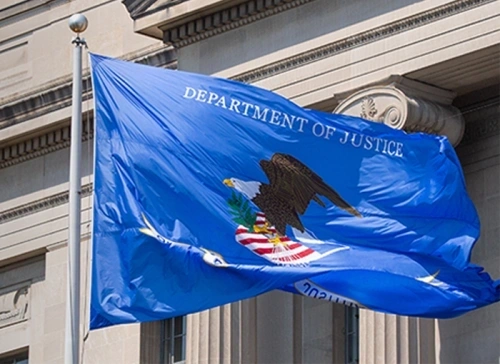
WORCESTER—In a scathing report released today, the U.S. Department of Justice (DOJ) concluded that the Worcester Police Department engaged in a systemic pattern of unconstitutional practices, including excessive force, sexual misconduct, and racially discriminatory policing.
The findings stem from a year-long investigation into the conduct of the City of Worcester and WPD.
The DOJ’s investigation detailed troubling practices, such as officers using excessive force — including tasers, police dogs and strikes to the head — on individuals, sometimes escalating minor incidents unnecessarily. Assistant Attorney General Kristen Clarke of the Civil Rights Division stated that such practices violate the Fourth Amendment.
“Our comprehensive investigation revealed that the Worcester Police Department uses excessive force,” Clarke said in the DOJ announcement, “and has allowed undercover police officers to engage in sexual contact with women suspected of being involved in the commercial sex trade. This is the first time the department has issued a pattern or practice finding involving sexual misconduct by officers.”
The report also raised serious concerns about credible allegations of sexual assault by officers under threat of arrest and inadequacies in the department’s policies to investigate such claims. These findings in the report, along with evidence of racial discrimination, point to systemic deficiencies in training, supervision, and accountability.
U.S. Attorney Joshua S. Levy for the District of Massachusetts called the report “serious and sobering” but emphasized the potential for reform.
“While the findings announced in today’s report are serious and sobering, today we start a new chapter,” Levy stated. “We look forward to working with the City of Worcester and the new leadership of the Worcester Police Department to implement reforms that will prevent these kinds of incidents from reoccurring.”
The DOJ acknowledged initial steps taken by the city and the WPD to address misconduct but outlined additional measures needed to remedy the systemic issues. Officials are committed to working collaboratively with the city to ensure meaningful reform, according to the announcement.
In a statement provided to WCVB and other media, attorney Brian Kelly, who represents the city, criticized the DOJ’s report as rushed and inaccurate, claiming it unfairly discredits Worcester’s police and harms the community.
“In racing to publish an inaccurate report before the change in presidential administrations, without bothering to get the facts right, DOJ has done an extreme disservice to the entire Worcester community and, in particular, to the hundreds of honorable Worcester police officers who risk their lives every day to make Worcester a safe place to live,” Kelly wrote.
Mayor Joseph M. Petty responded to the DOJ report on the WPD, acknowledged the seriousness of the findings while reserving full judgment until the investigative moves forward. Petty stated, “While I question some of the statements made, I can only fully process the report with the investigative materials from the DOJ.”
Petty expressed confidence in Interim Police Chief Paul Saucier and highlighted the city’s ongoing efforts to improve police practices, referencing changes made following a racial equity audit initiated after significant community advocacy. Acknowledging the dedication of many in the Worcester Police Department, he added, “I appreciate their service to our city” while stressing the importance of ensuring the department operates justly and equitably moving forward.
He announced plans to request City Manager Eric Batista provide recommendations for next steps within 30 days, ensuring that the process is approached with compassion and empathy, particularly for impacted members of the BIPOC community and survivors of the commercial sex trade.
Batista, too, issued a statement on Tuesday, and described the Department of Justice’s findings regarding the Worcester Police Department as “shocking and unacceptable,” emphasizing the gravity of the report and the need for the community to reflect on it.
Batista expressed deep disappointment, stating it was “unfathomable” that any city employee could engage in such egregious misconduct. He highlighted the importance of public trust in government institutions, acknowledging that this trust must be earned through transparency and accountability.
To address the issues raised, Batista outlined several initiatives aimed at reform and oversight. These include collaboration between the Executive Office of Diversity, Equity and Inclusion (EODEI) and the Human Rights Commission on training and policy reviews, alongside the establishment of an independent hotline for reporting police misconduct. Additionally, his administration has initiated measures to improve data collection and transparency, with enhanced reporting capabilities expected within 12 to 18 months. Batista also committed to exploring the creation of a Civilian Review Board to strengthen accountability through public deliberation.
“The members of the Worcester Police Department, who overwhelmingly serve with integrity and compassion, will continue their community outreach while refining policies,” Batista said.
Here are 10 key takeaways from the DOJ investigation:
- Excessive force: WPD often uses excessive force, including Tasers, head strikes and police dogs.
- Sexual misconduct: Undercover officers engaged in sexual acts with women suspected of sex work.
- Sexual assault allegations: Officers allegedly coerced women into sexual acts under threat of arrest.
- Discriminatory policing: Black and Hispanic residents face disproportionate enforcement.
- Inadequate training: Poor policies and training perpetuate misconduct.
- Weak accountability: Complaint processes and investigations are ineffective.
- Crisis response: Behavioral health incidents often escalate unnecessarily.
- Community distrust: Residents report long-standing mistreatment concerns.
- Partial reforms: Body cameras and policy reviews are positive but insufficient.
- DOJ recommendations: Comprehensive reform of policies, training and oversight is needed.
Charlene Arsenault can be reached at carsenault@theworcesterguardian.org
