There are the things an artist imagines making. And then there are the things an artist can actually afford to make.
Sometimes, the distance between the two comes down to something as mundane as a sheet of stained glass, enamel supplies, a new piece of equipment or enough materials to try something that might not work.
For seven Worcester County artists, grants of between $750 and $2,000 helped close that gap.
What they did with the money is considerably more interesting.
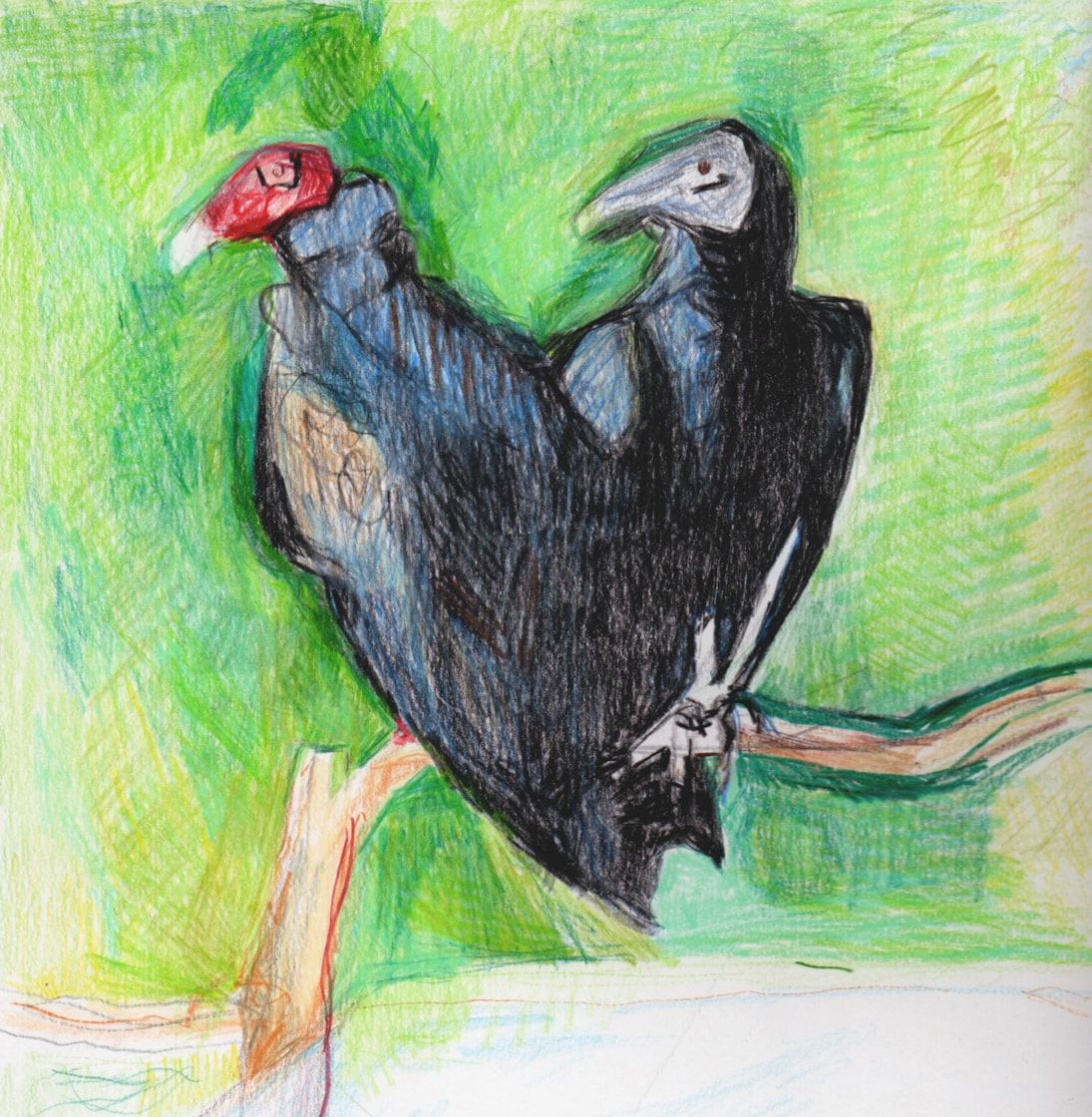
“Misunderstood Animals: The Black Vulture,” drawings and performance art videos in collaboration with vultures (photo credit ArtsWorcester)
Woodworker Ben Cline added stained glass to a craft he has practiced for 25 years. Jennifer Davis Carey turned to female deities across cultures. Kristi DiSalle made art from an experience familiar to millions of women but still remarkably absent from everyday conversation: perimenopause.
Kate Egnaczak went to the ponds of Worcester’s Elm Park, collected consumer waste and turned it into monotypes.
Anne Harris collaborated with vultures.
And those are only some of the works that will fill ArtsWorcester beginning Sept. 9.
“Material Needs 2026,” an exhibition featuring work created by seven recipients of ArtsWorcester’s Material Needs Grants, opens with a free public reception from 6 to 8 p.m. Wednesday, Sept. 9, at the organization’s 44 Portland St. gallery.
Funded by an anonymous donor, the grants were awarded to help artists pay for supplies, materials and equipment needed to produce new work in Worcester County. The recipients received between $750 and $2,000 apiece, according to ArtsWorcester.
The resulting exhibition is less a show organized around a common aesthetic than a glimpse at what can happen when artists are given resources to pursue an idea.
New materials, old questions
For Cline, the grant offered an opportunity to bring a new material into a familiar practice.
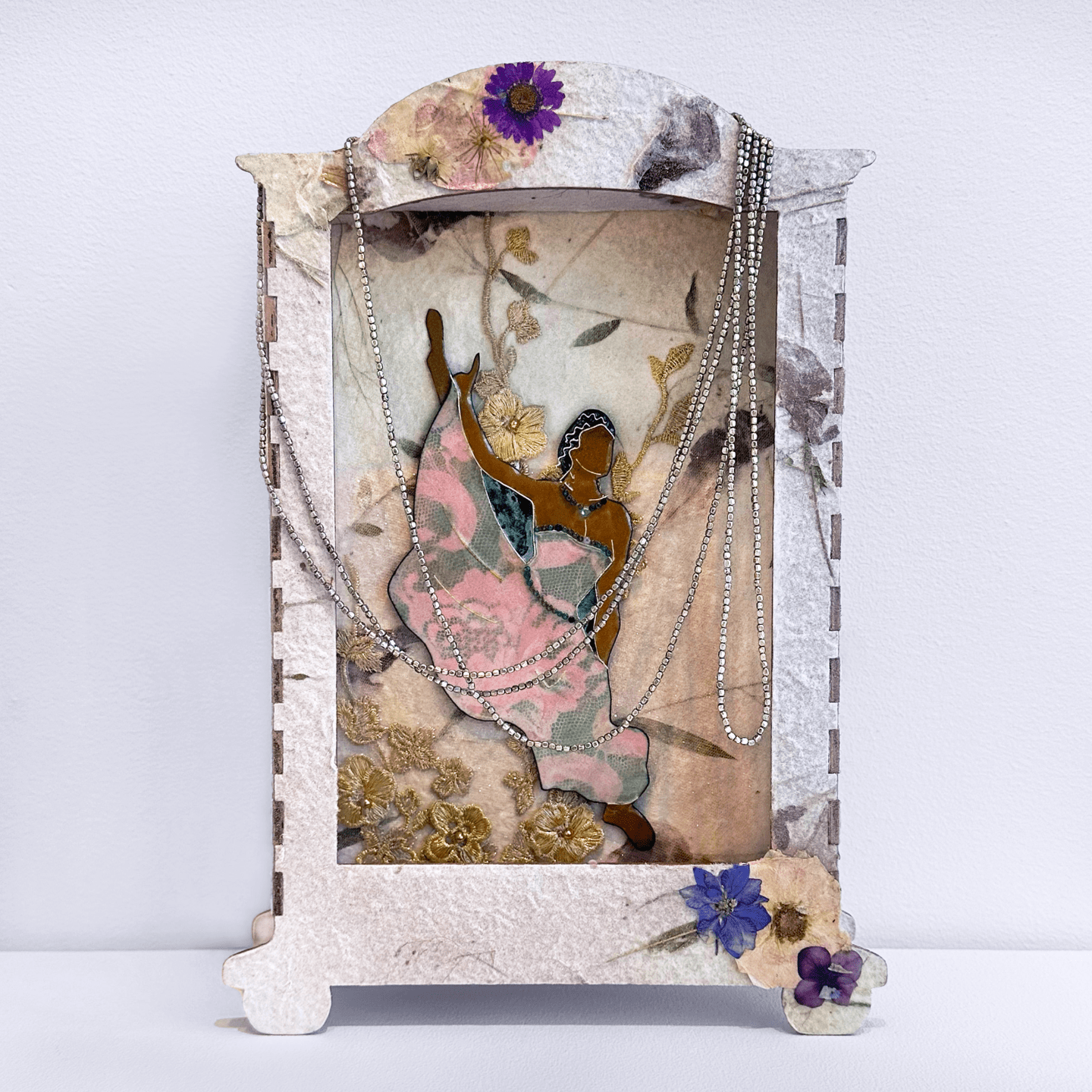
A Worcester-area woodworker and mixed-media artist, Cline has spent roughly 25 years developing his woodworking skills. His “Stained Glass Incorporation” collection introduces stained glass into wooden boxes, marrying a new technique to decades of experience in another medium.
Carey’s “Mythos Mine, Mythos Ours,” meanwhile, uses enamel to explore manifestations of female deities across cultures.
Carey is a Worcester-based enamel artist whose broader work frequently draws connections among identity, nature, mythology and the African Diaspora. Her work has ranged from insects and celestial imagery to figures and landscapes, often using the vivid color and luminosity possible when glass and metal meet.
In “Mythos Mine, Mythos Ours,” that medium becomes a vehicle for examining stories of the divine feminine across cultural traditions.
DiSalle turns toward a subject grounded firmly in the body.
Her series, “Bodies in Transition,” consists of acrylic works informed by the experiences of the artist and her friends with perimenopause. ArtsWorcester describes the work as considering biological changes that can be uncertain and isolating, yet are rarely discussed openly.
That subject fits within DiSalle’s broader interest in using art to explore emotion and human experience. Working in acrylic, watercolor, colored pencil and mixed media, she describes her practice as an ongoing conversation among material, technique and emotion.
What Worcester throws away
Egnaczak’s raw material came, quite literally, from Worcester.
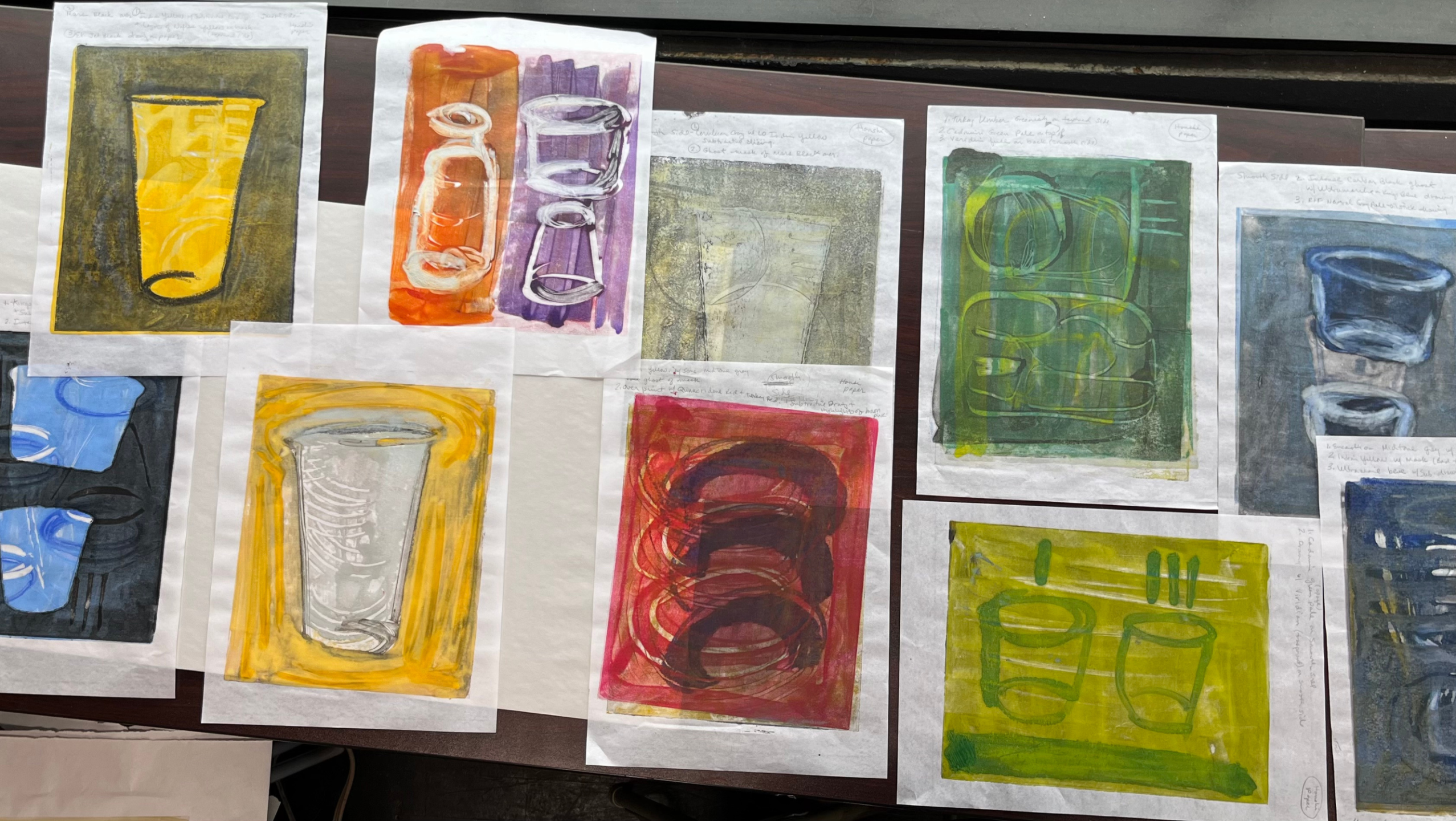
For “Visible Inventories,” the conceptual eco-artist collected consumer waste from the ponds of Elm Park and used it to create monotypes.
Egnaczak’s work has long examined the relationship between human beings, waste and the environments they inhabit. She has used Elm Park itself as an artistic site for years, including through work associated with the park’s outdoor Art in the Park exhibitions.
Her Material Needs project makes the debris left behind in a familiar Worcester landscape difficult to overlook. Among the works is “Cool Lighters and Plasticware,” a 16-by-20-inch acrylic gelli print whose title identifies some of the discarded objects behind the image.
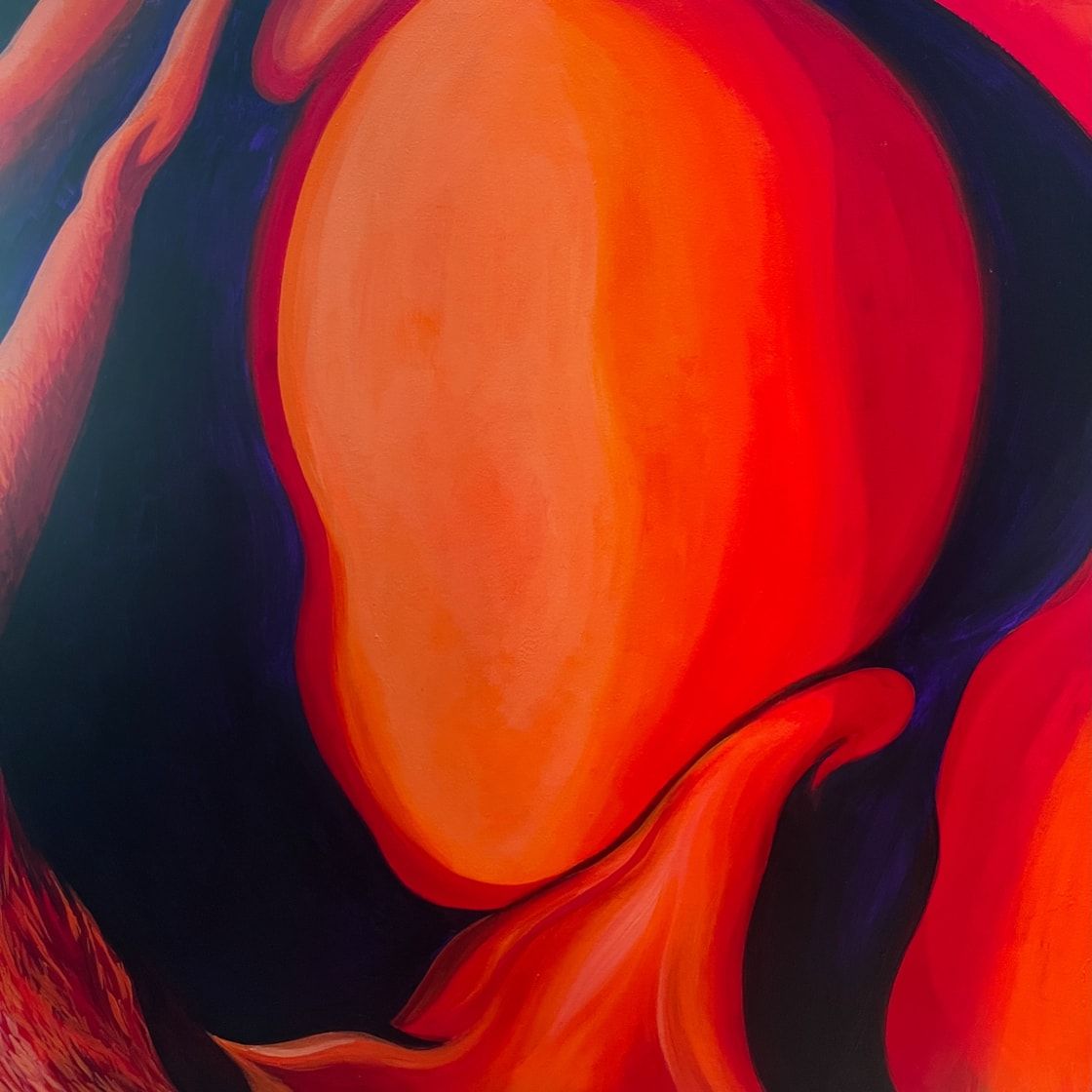
The result turns evidence of consumption into both material and subject.
Elsewhere in the exhibition, Claudio Eshun, also known as Don Claude, explores Western, African and Afro-Descendant portraiture in a collection titled “Elegant Alien.” His exhibited work includes “Untitled (Auntie Elsie and Desdomona),” a 24-by-30-inch digital inkjet print.
Harris’ project takes the exhibition in yet another direction.
For “Misunderstood Animals: The Black Vulture,” Harris created drawings and performance-art videos in collaboration with vultures.
The Worcester visual artist has described her work as deeply connected to emotion and the natural world. For the Material Needs exhibition, she focuses that attention on an animal whose cultural reputation is often considerably less flattering than its ecological role.
Among her pieces is the cheerfully unambiguous “I Heart Vultures,” a colored-pencil drawing on paper.
Ancestry you can wear
Sheila Papetti’s “The Coat Series” turns clothing into sculpture and family history into form.
Her sculptural garments draw from her French, Sakha — or Yakut — and Irish maternal ancestry. One of the works in the exhibition, “Wisdom, Strength, and Innocence,” is a 52-inch-tall paper sculpture assembled from large-format prints and constructed through machine and hand stitching.
Papetti has previously used the form of a woman’s coat to explore identity, ancestry and humanity’s place within a much larger universe, including through garments constructed with celestial imagery.
Taken together, the seven projects span woodworking, stained glass, enamel, painting, printmaking, photography, drawing, video and wearable sculpture.
What connects them isn’t necessarily what visitors will see on the gallery walls.
It is what had to exist before the work could get there: the physical stuff of making art.
The Material Needs program addresses an unglamorous reality of artistic practice — ideas require supplies, tools and equipment, and those things cost money. The grants are intended specifically to cover those expenses and allow Worcester County artists to produce new work.
On Sept. 9, the receipts, raw materials and months of work give way to the finished pieces.
“Material Needs 2026” opens with a free public reception from 6 to 8 p.m. Wednesday, Sept. 9, at ArtsWorcester, 44 Portland St. A cash bar will be available.
The exhibition remains on view through Oct. 25. ArtsWorcester is open Wednesday through Sunday from noon to 5 p.m., and gallery admission is free.