
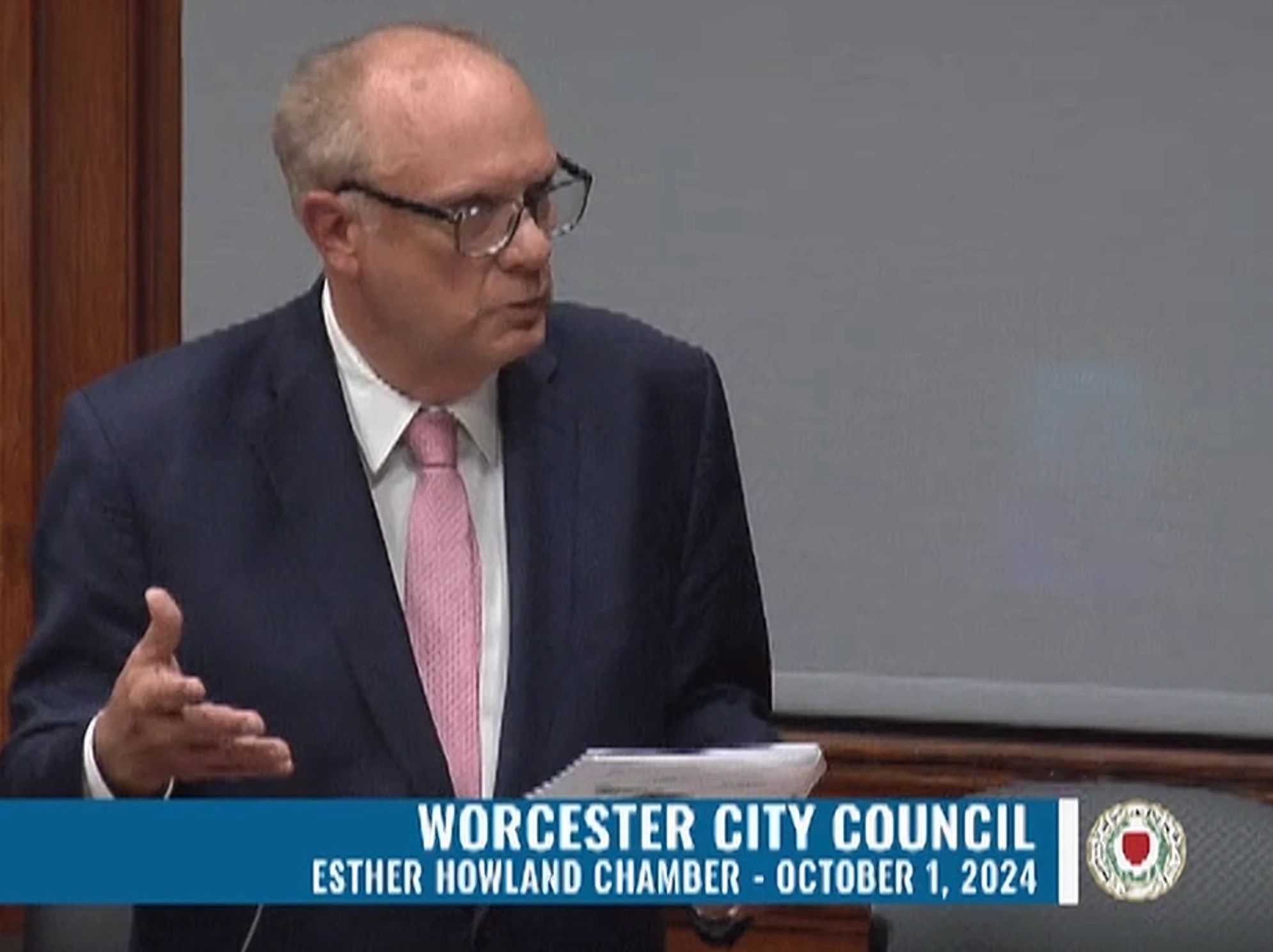
WORCESTER—Tuesday evening’s Worcester City Council meeting was marked by intense debate and emotional testimonies, as residents and city officials grappled with the allocation of the remaining $44.3 million in American Rescue Plan Act (ARPA) funds for BIPOC (Black, indigenous, people of color) communities.
The meeting highlighted growing concerns about disparities in the city and the need for more equitable distribution of resources to communities most affected by the COVID-19 pandemic.
The council ended up voting to move item 8k to municipal operations for further review and oversight. Additionally, they approved a motion for a report from the city manager on how and when lump sum and up-front payments were made, addressing concerns raised by residents about the accessibility of funds.
Item 8k, which specifically proposed that the city council request the city manager to consider directly designating the balance of the remaining ARPA funds to BIPOC-led organizations providing services to those most affected by the pandemic, sparked a heated debate about racial equity and the city’s approach to distributing federal aid.
Worcester previously received a total of $146 million in ARPA funds, with approximately $100 million already committed or spent on various initiatives, including housing, infrastructure, and public health efforts. However, many residents are frustrated with the allocation process, arguing that it has failed to adequately address the needs of minority communities.
David Webb, a Worcester resident, didn’t mince words: “The city did not act equitably when it distributed those funds. Once again, the city has demonstrated that it does not uphold its stated values. The city is going to continue prioritizing white homeowners.”
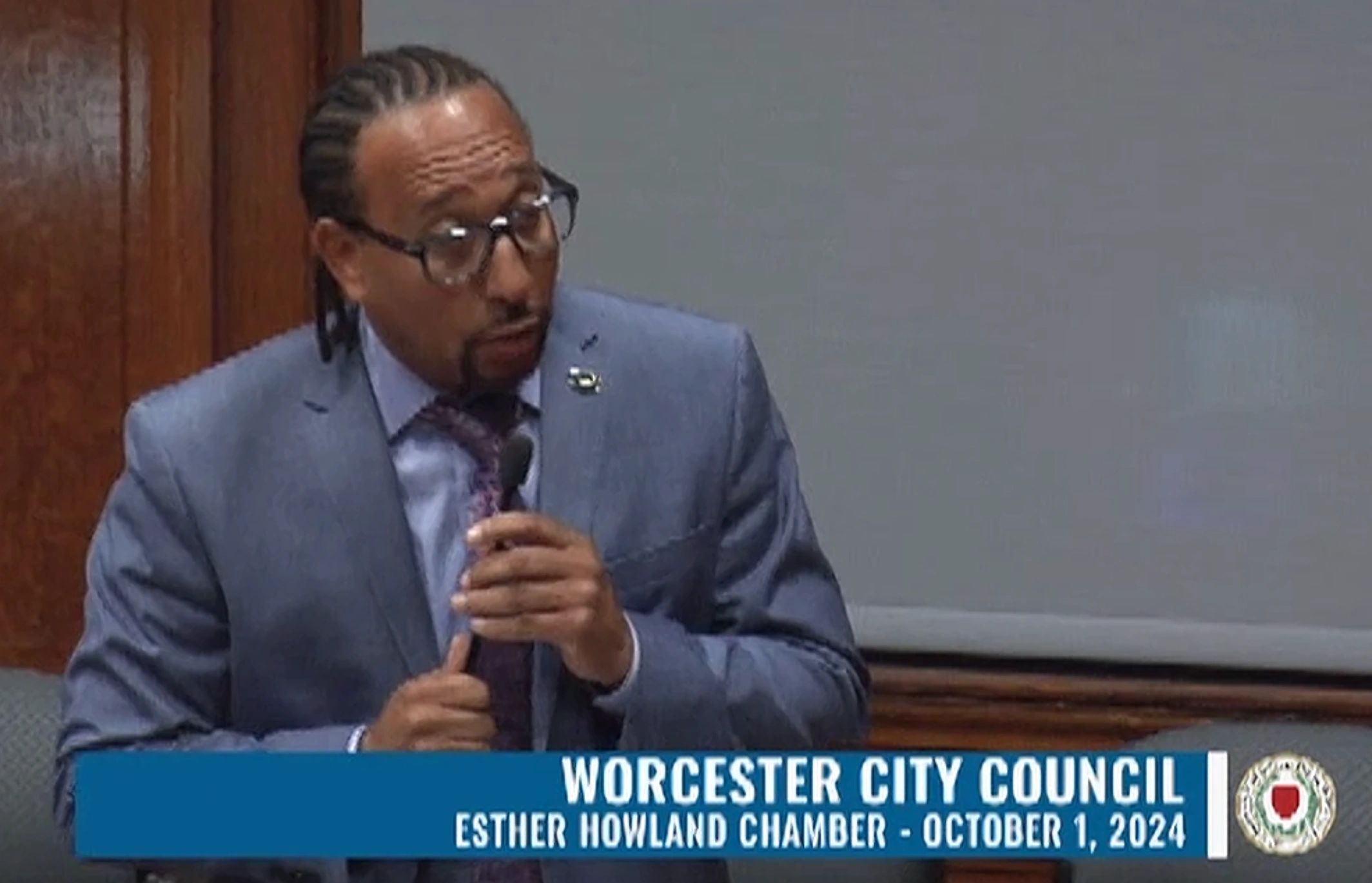
This sentiment was echoed by Casey Burns, another Worcester resident: “Black and brown populations are carrying the burden of inequitable health outcomes,” Burns stated. “This funding from ARPA has a clear and specific charge to address the disparities to repair harm that has been done.”
The discussion also shone a light on the challenges faced by smaller, community-based organizations in accessing and utilizing ARPA funds. Margot Barnett, a concerned citizen, emphasized the importance of removing barriers for these groups: “A group having to front money to pay for whatever they want to do and then get reimbursed is a huge barrier. That can absolutely sink a small business.”
City officials acknowledged these concerns and expressed a commitment to improving the distribution process. Mayor Joe Petty advocated for a more equitable approach, stating, “We should work with the community members in the neighborhoods that have been most impacted by COVID-19.” He also alluded to inner city communities being impacted heavily.
City Manager Eric Batista provided context on the remaining funds, explaining that while $44.3 million is uncontracted, much of it is already earmarked for various projects. However, he assured the council that the city is constantly reevaluating its spending: “Every month I’m spending time with the CFO and Peter Dunn where we’re evaluating every single dollar and asking whether we’re going to spend it and get them contracted. If not, I’m going to move them and put them into needed areas.”
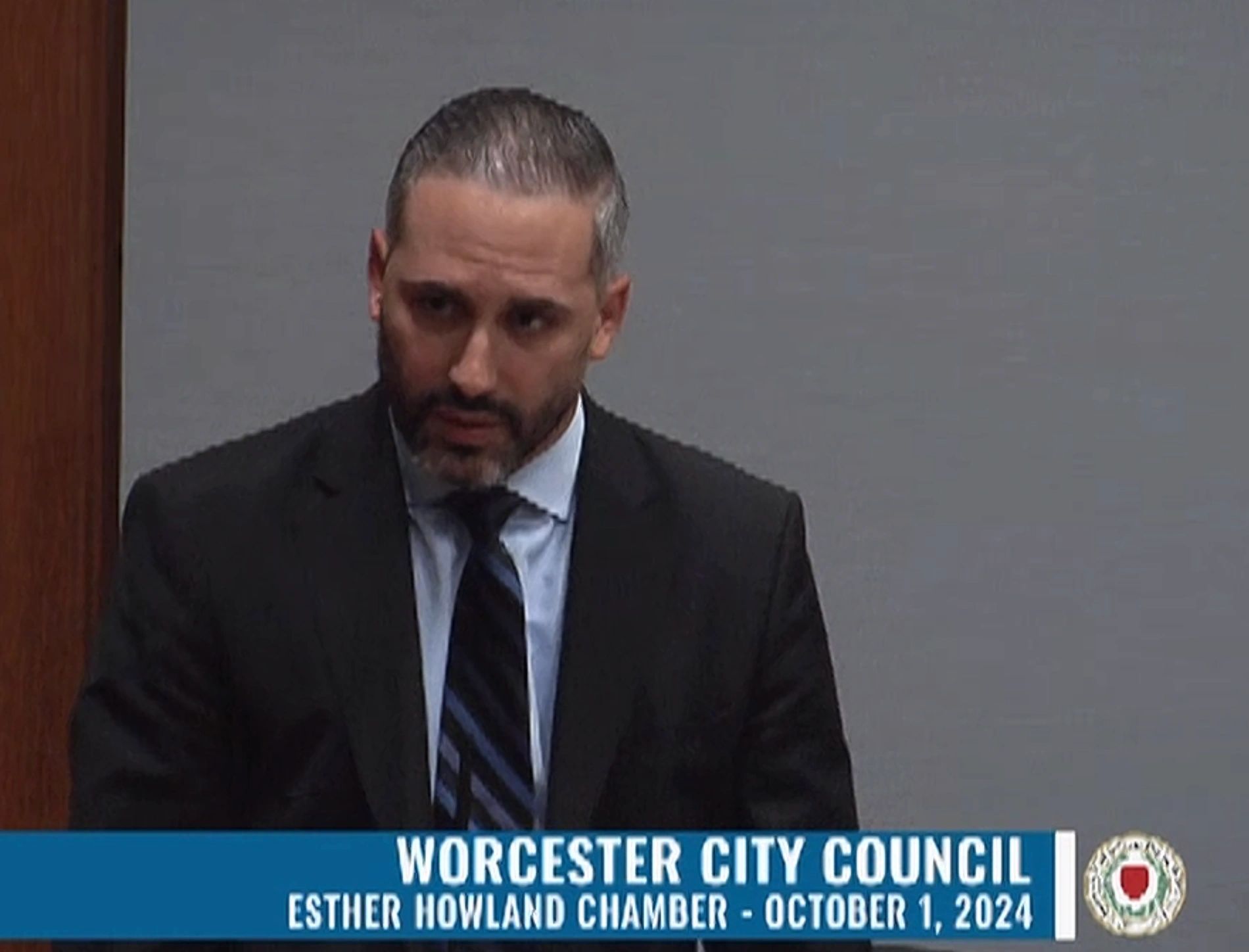
Peter Dunn, chief development officer for the city, addressed the complexities of federal regulations governing ARPA fund distribution. While acknowledging the numerous frustrations, he stressed the city’s obligation to comply with these regulations.
“Myself and all our staff agree with the perspective of many speakers tonight,” Dunn said. “We’re equally frustrated with some of the federal regulations that create barriers and create challenges. But we’re obligated to make sure we’re doing it in accordance with what those regulations say.”
“When I think about equity, I think about the impact of giving $100 to someone living paycheck to paycheck versus to someone who has money in the bank and savings,” said councilor-at-large Thu Nguyen.
“Understanding economic disparity and meeting the needs of underserved groups is a necessity,” said councilor Khrystian King. We must reimburse in concert with the intended spirit and regulations that were established but nothing beyond then.”
The meeting underscored the ongoing challenges Worcester faces in ensuring equitable recovery from the pandemic. As the city continues to allocate its remaining ARPA funds, the voices of community members and the commitment of city officials to addressing disparities will likely play a crucial role in shaping future decisions.
Matt Olszewski is a freelance content and news writer based in Boston, MA. In his free time, Matt enjoys running, hiking or skiing. Matt is currently finishing up the MPH degree program at Tufts University. He can be reached at mattoskier@gmail.com
As the Worcester Guardian marks nearly a year of delivering free, independent digital news to our city, our dedication to this mission strengthens. Please consider a tax-deductible donation to support our ongoing commitment to providing hyperlocal news coverage to Worcester. Scroll to the bottom of our home page to sign up for our daily newsletter
