
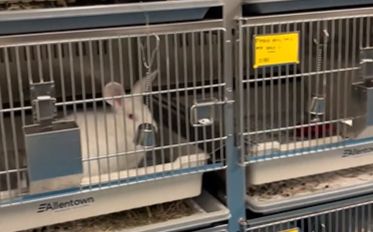
WORCESTER—Allegations from an internal whistleblower have prompted animal welfare complaints to state and federal regulators accusing UMass Chan Medical School of widespread mistreatment of animals used in medical research, including failures in veterinary care, housing and pain management.
People for the Ethical Treatment of Animals (PETA) submitted formal complaints on Dec. 10 to the Massachusetts Department of Public Health, the U.S. Department of Agriculture and the National Institutes of Health’s Office of Laboratory Animal Welfare. In its pages-long filings, PETA alleges that animals including dogs, rabbits, ferrets, pigs and sheep suffered unnecessary pain and distress in violation of Massachusetts Research Animal Regulations.
The organization said the whistleblower supplied photographs, video, medical records and internal emails documenting the allegations.
“The university’s laboratories repeatedly failed to meet requirements for adequate feeding, effective veterinary care, humane housing and prompt alleviation of pain and distress,” PETA wrote in its complaint to the state health department. PETA urged regulators to investigate the allegations and pursue enforcement action if violations are substantiated.
According to PETA, the whistleblower came forward after concluding that internal oversight mechanisms were failing to address ongoing animal welfare concerns. As animals continued to suffer from what PETA describes as inadequate or incompetent veterinary care and improper use of anesthetics, the whistleblower felt compelled to report the issues externally, the organization said. PETA declined to comment on whether the whistleblower attempted to resolve the concerns internally, citing a request for anonymity.
Claims of understaffing and inadequate care
PETA’s complaint alleges that from March 2024 through mid-August 2025, UMass Chan employed only two veterinarians responsible for the care of thousands of research animals across multiple species. A third veterinarian was added in August, according to the filing.
The organization contends that staffing levels were insufficient to meet regulatory requirements and contributed to delayed diagnoses, inadequate pain management and preventable injuries.
In an interview with the Worcester Guardian, Dr. Alka Chandna, vice president of laboratory investigations cases at PETA, said the allegations reflect what she described as a broader institutional failure rather than isolated incidents.
“The whistleblower’s reports of problems in UMass Chan’s laboratories point to a pervasive institutional disregard for animal welfare,” Chandna said. She cited dismissive responses to concerns about emaciated dogs, the absence of adequate pain relief for pigs and rabbits, and failures to address serious medical conditions as indicative of a culture that allows suffering to persist.
Dogs used in stroke research
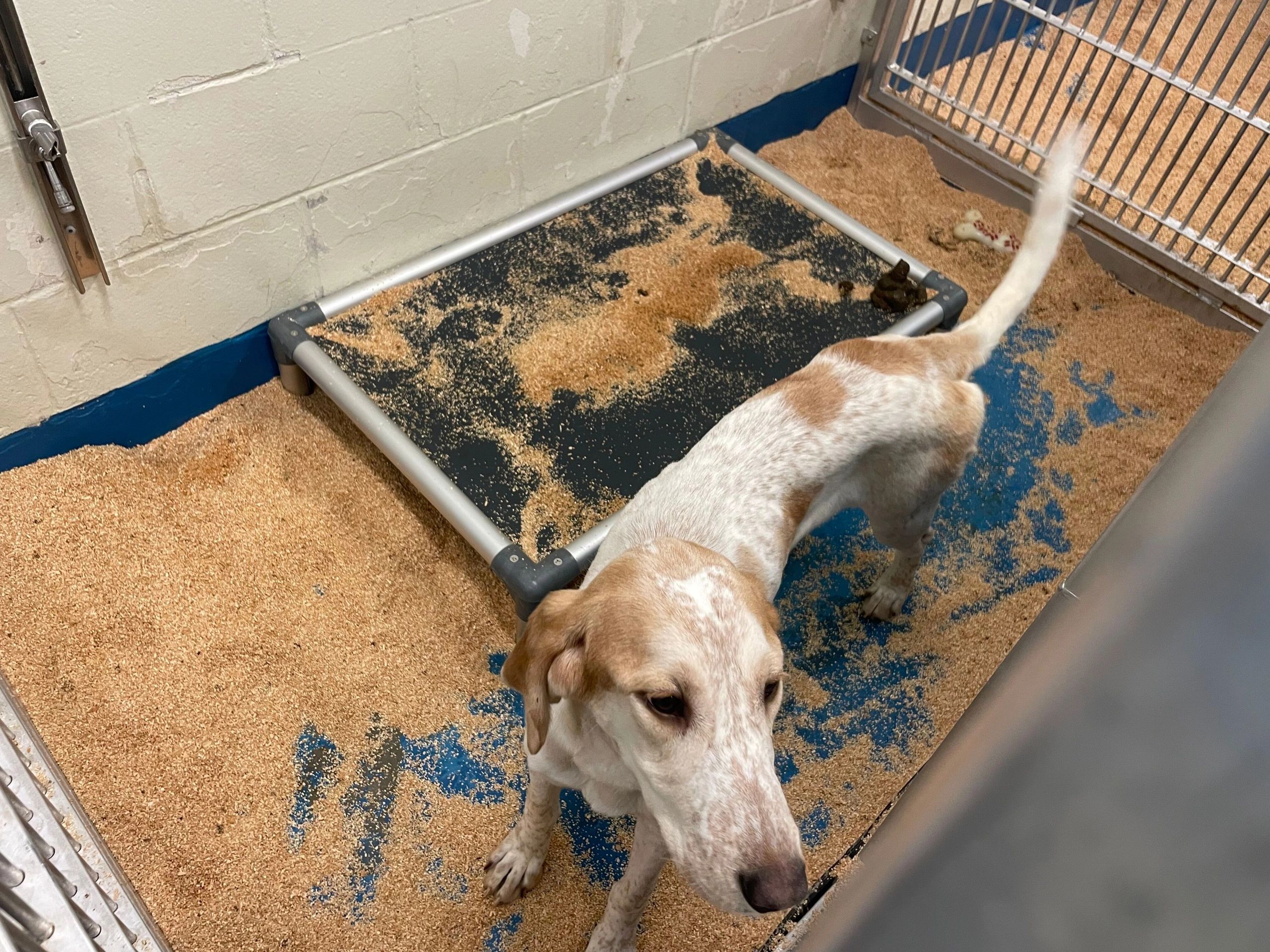
Several of the most detailed allegations involve dogs used in stroke-related experiments in a laboratory led by a principal investigator identified in the complaint. PETA wrote that dogs underwent multiple invasive surgical procedures and experienced significant weight loss, untreated injuries and unsafe housing conditions.
In one case described in the complaint, a young hound identified as “F484” reportedly lost substantial weight over several months and developed multiple complications following repeated surgeries and imaging procedures. PETA alleges the dog was underfed to keep her weight below a regulatory threshold that would have required larger kennels.
In other cases, the organization alleges that dogs sustained bite wounds from cage mates, developed untreated seromas at surgical sites and received acupuncture while being administered blood-thinning medications, which PETA says increased the risk of bleeding.
Allegations involving other species
The complaints also describe incidents involving rabbits, ferrets and pigs.
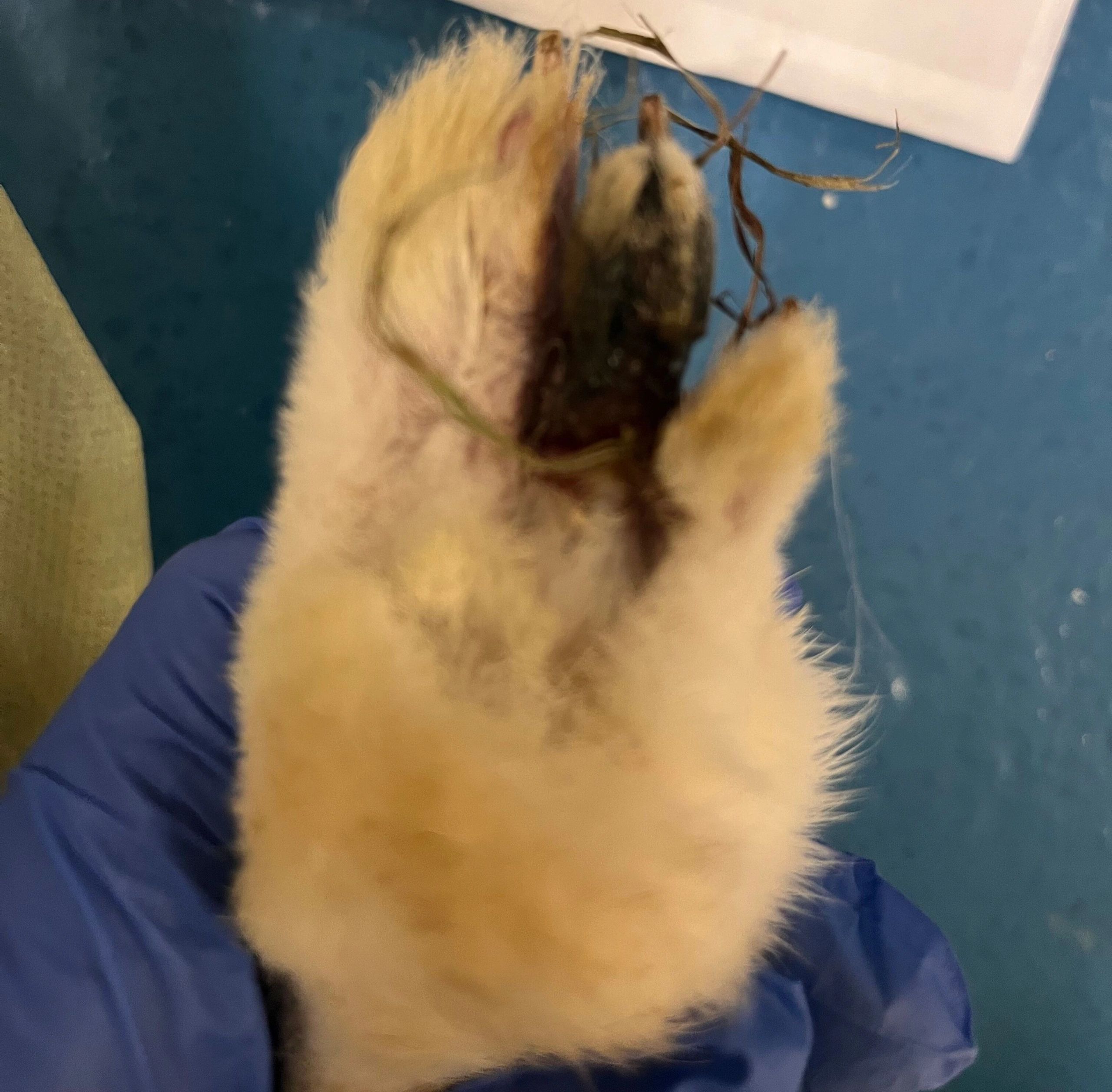
PETA alleges that a rabbit used in vaccine research suffered a severe foot injury that progressed to necrosis, followed by amputation, and later developed an open wound on the back of her neck associated with the use of an Elizabethan collar. The rabbit was ultimately euthanized, according to the complaint.
In another case, PETA alleges that a ferret used in respiratory research died after ingesting bedding material that caused an intestinal blockage. According to the filing, staff delayed diagnostic imaging despite signs of distress and the euthanasia procedure was prolonged due to equipment issues.
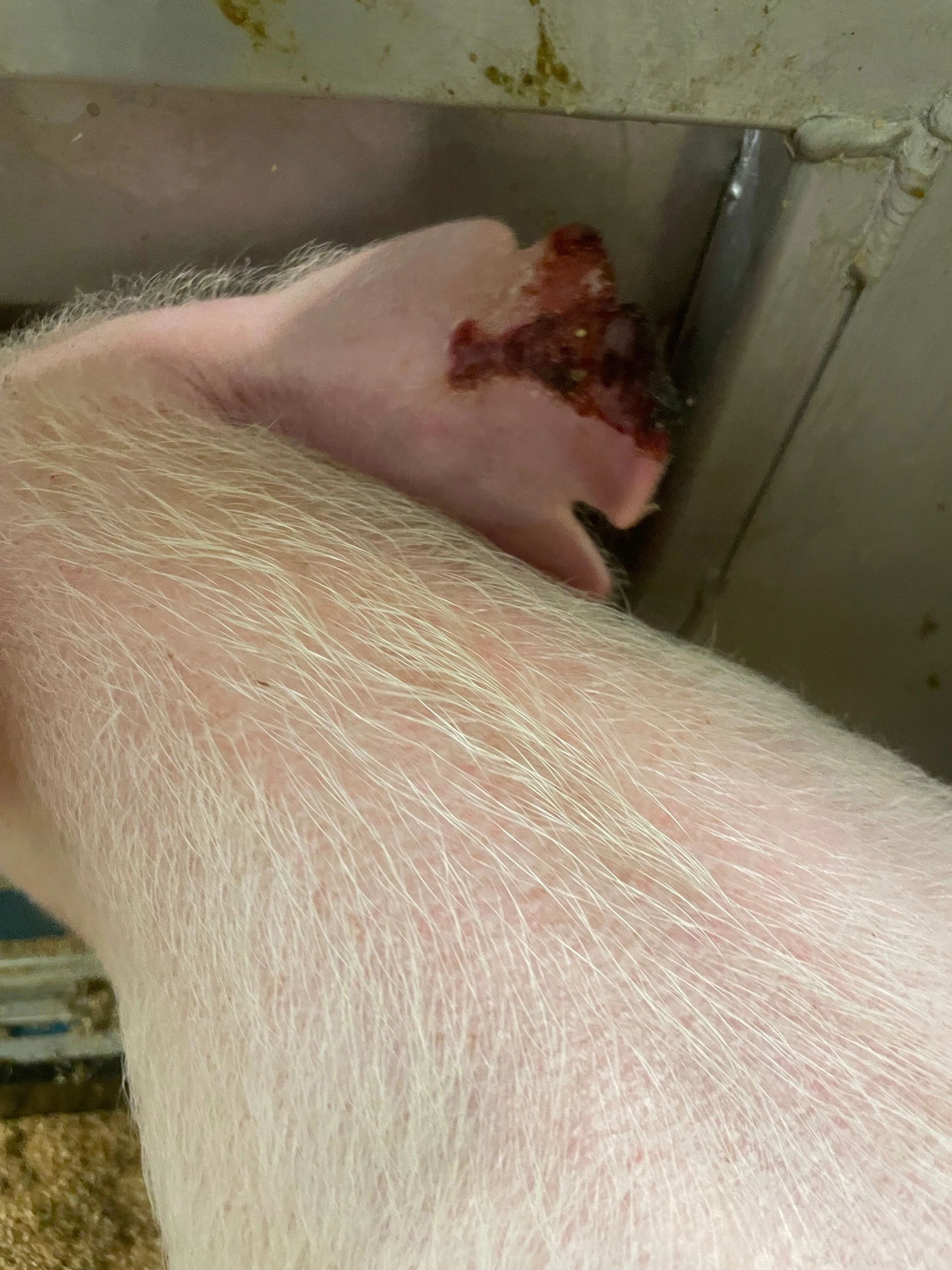
The organization also cites cases involving pigs used in cardiac research during which animals experienced painful reperfusion injuries, hypothermia and tissue necrosis following induced heart attacks. PETA notes that a USDA inspection in 2024 cited UMass Chan for inadequate veterinary care related to pig research, prompting protocol changes that, according to PETA, were not fully implemented.
Chandna said the continued emergence of similar issues following prior inspections raises questions about the effectiveness of regulatory oversight.
“The persistence of serious animal welfare violations in UMass Chan’s laboratories underscores the failure of federal oversight agencies to bring the university into compliance with minimal animal welfare standards stipulated by law,” she said, adding that even citations and enforcement actions have failed to compel meaningful change.
Oversight and response
The Massachusetts Department of Public Health has not publicly commented on the complaint.
In a statement provided to the Worcester Guardian on Dec. 23, UMass Chan Medical School said it is “committed to upholding the highest standards of laboratory animal welfare in our research programs” and remains dedicated to “rigorous compliance with all regulations governing the ethical and humane treatment of animals in research.”
The statement said animal care professionals and administrators “regularly review procedures regarding animal use protocols,” and noted that the program is fully accredited by AAALAC International, a private nonprofit organization focused on improving animal welfare in science. UMass Chan also said it is regularly inspected by the U.S. Department of Agriculture.
PETA said the incidents described in its complaints largely occurred in 2025, with some references to earlier cases included for context. The organization argues that the allegations point to broader institutional oversight failures by UMass Chan’s Institutional Animal Care and Use Committee, which is responsible for ensuring compliance with animal welfare standards.

Chandna said PETA is urging regulators to pursue a range of corrective actions, including inspections, fines and suspension of noncompliant research protocols.
The organization is also calling on the National Institutes of Health to review its continued funding of animal experimentation at UMass Chan, noting that NIH awarded more than $189 million in grants to the university in the past year.
“When NIH conditions funding on demonstrable compliance, institutions take notice and reform follows,” Chandna said.
The Worcester Guardian reached out to the USDA seeking comment but had not received a response as of publication. Updates will be added as information becomes available.
Have news, tips, or a story worth telling? Feedback to this story? A good recipe, a funny joke or a suggestion? Reach Editor Charlene Arsenault at carsenault@theworcesterguardian.org—because good stories (and great scoops) deserve to be shared.
- The Worcester Guardian is an independent nonprofit news organization. Support local journalism by making a DONATION today.
