
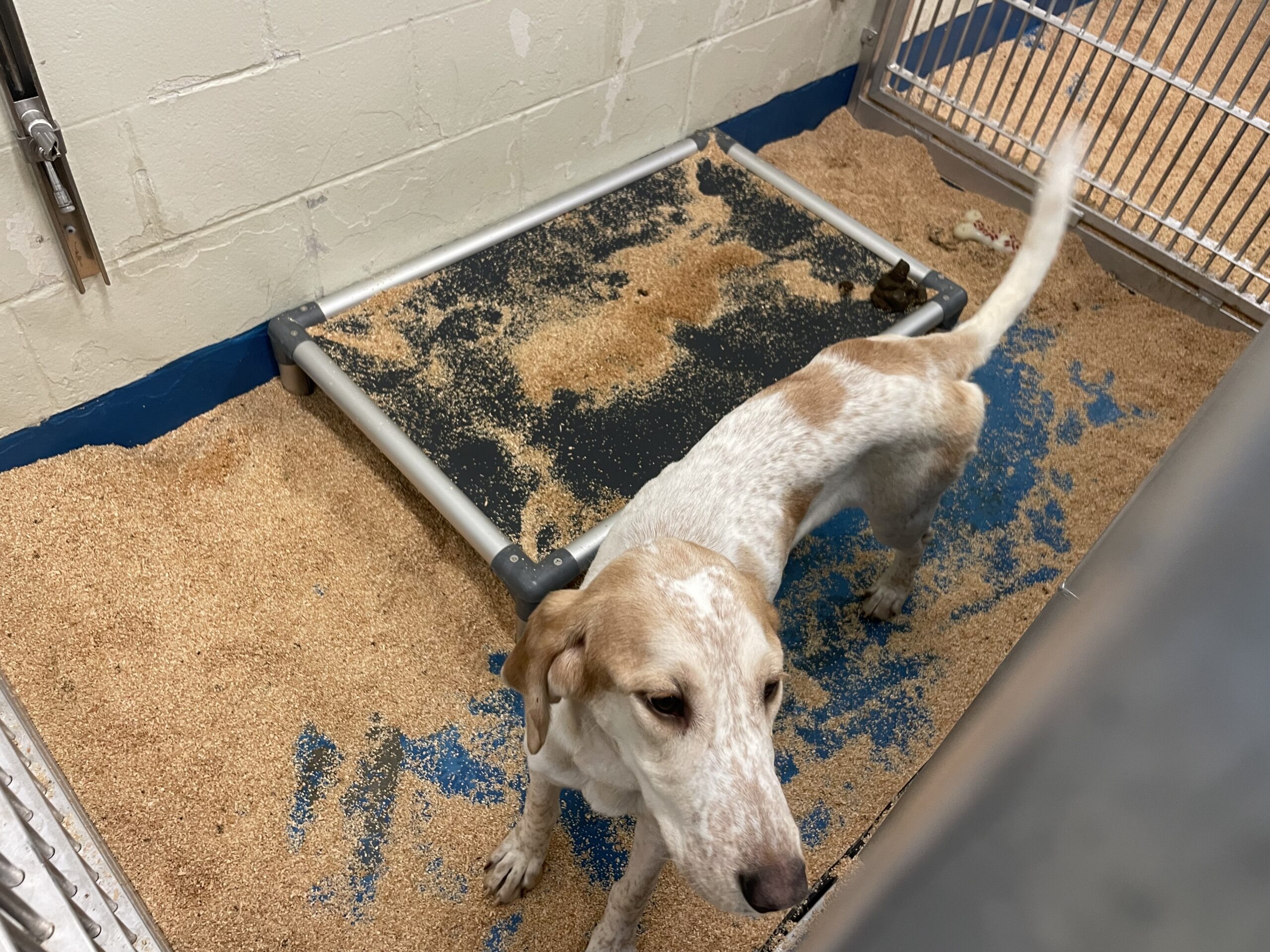
People for the Ethical Treatment of Animals has sued UMass Chan Medical School, accusing the public university of improperly withholding information about the committee responsible for reviewing and overseeing research involving animals.
PETA filed the public records lawsuit Tuesday in Suffolk County Superior Court, challenging UMass Chan’s refusal to release the names of members of its Institutional Animal Care and Use Committee, or IACUC.
The organization filed a separate lawsuit against UMass Amherst involving records from that university’s animal research oversight committee.
At UMass Chan, the IACUC is responsible for reviewing and approving proposals involving vertebrate animals used in research, teaching and testing and overseeing the institution’s animal research program.
The lawsuit adds a new layer to an ongoing dispute between PETA and UMass Chan over animal research at the Worcester medical school. In December, PETA filed complaints with state and federal regulators alleging widespread failures in the care of research animals and questioning the effectiveness of the same oversight committee whose members’ identities are now at the center of the lawsuit.
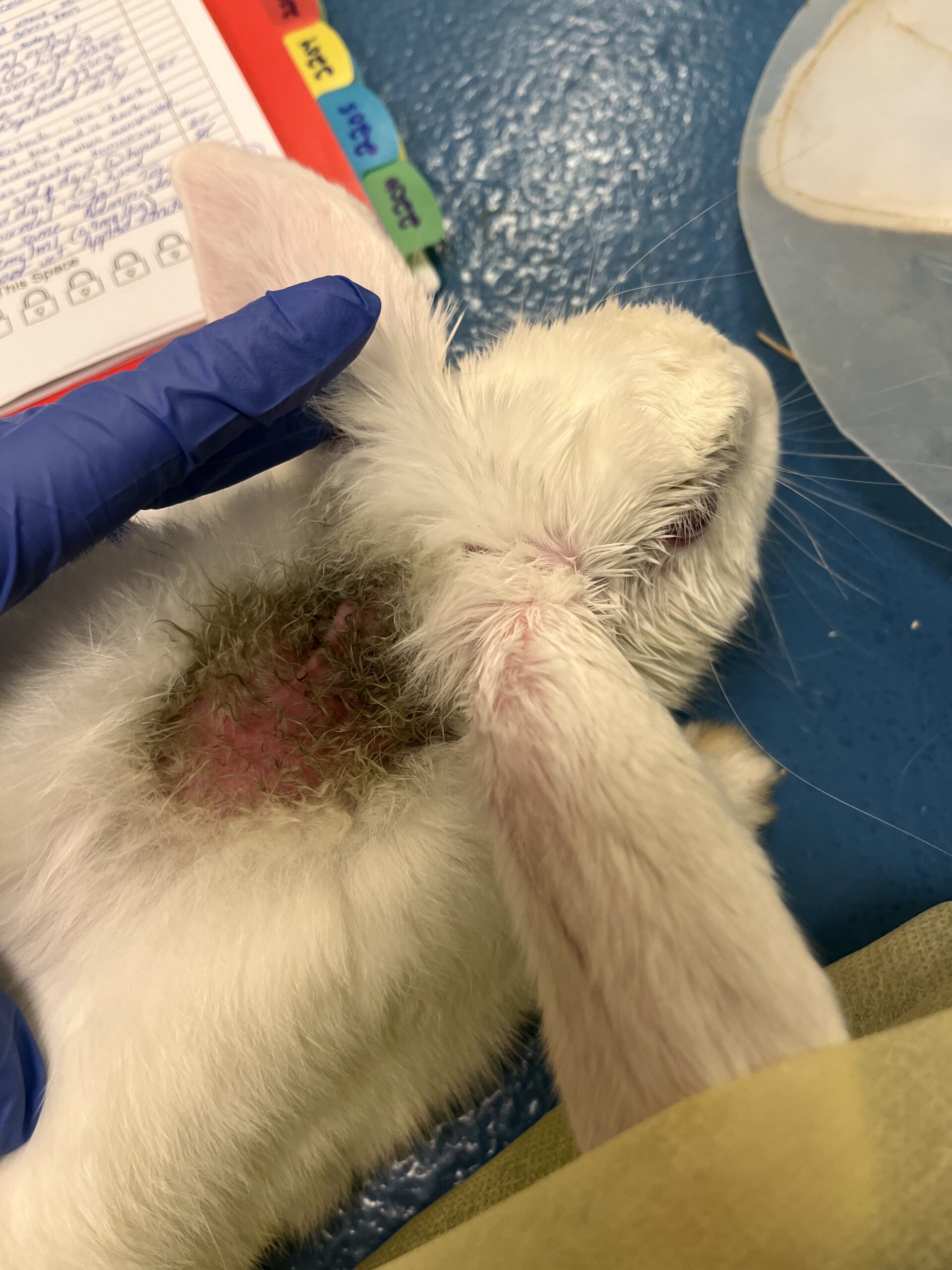
UMass Chan has previously defended its animal research program, telling the Worcester Guardian in December that it is “committed to upholding the highest standards of laboratory animal welfare in our research programs” and to “rigorous compliance with all regulations governing the ethical and humane treatment of animals in research.”
In response to a new request for comment from the Worcester Guardian, Sarah Willey, assistant vice chancellor for media relations at UMass Chan, said the medical school could not discuss the lawsuit.
“Because this is a pending legal matter, we cannot comment at this time,” Willey said.
Willey reiterated the university’s commitment to animal welfare and compliance with regulations governing animal research.
“We are dedicated to rigorous compliance with all regulations governing the ethical and humane treatment of animals in research and we strive to abide by all policies and laws concerning the care of animals, which is an integral part of the institution’s research work,” Willey said.
She also directed readers to the medical school’s website on responsible animal research, which describes its approach to animal care and oversight.
PETA said it submitted a public records request in January seeking the names of UMass Chan’s IACUC members as well as notices, agendas and minutes from the committee’s meetings.
According to PETA’s announcement of the lawsuit, UMass Chan initially told the organization that it would release the committee members’ names but later reversed course, citing privacy and security exemptions under the Massachusetts Public Records Law.
Kelsey McLean, senior litigation counsel with the PETA Foundation, told the Worcester Guardian that the organization is asking the court specifically to order UMass Chan to release the names of its IACUC members, as UMass Amherst did last year.
McLean disputed the university’s justification for withholding the names, citing a federal appeals court ruling concerning privacy protections for basic biographical information.
“The 9th Circuit Court of Appeals ruled that basic biographical information, such as names, is not protected by any privacy rights,” McLean said. “UMass Chan has also not made PETA aware of any threats or incidents concerning their IACUC.”
PETA contends those exemptions do not justify withholding the information and argues that the public has a right to know who is making decisions about animal research at a publicly funded institution.
“Committee members are public employees at public universities, and the law is clear that the people paying the bills have a right to know who’s making decisions about animals’ lives behind laboratory doors,” PETA Senior Vice President Kathy Guillermo said in the organization’s announcement. “PETA is going to court to drag these committees out of the shadows and hold UMass to the same transparency standard the law demands of every taxpayer-funded institution.”
The lawsuit does not ask the court to determine whether particular animal experiments are appropriate. Instead, the dispute centers on whether the identities of committee members overseeing those experiments must be disclosed under state public records law.
Institutional Animal Care and Use Committees are required at institutions conducting certain federally regulated or funded animal research. Their responsibilities include reviewing proposed animal use, inspecting animal facilities and evaluating institutional animal care programs.
McLean said knowing the identities of committee members is important because federal law requires IACUCs to include individuals who can bring perspectives from outside the institution and the scientific community.
“Federal law requires these committees to have members who meet specific criteria – namely at least one member who is not affiliated with the university and one who does not have a scientific background,” McLean said. “These requirements were implemented to ensure that these committees received perspectives from members of the community that do not have an interest in experiments being rubber stamped.”
The lawsuit comes less than a year after PETA raised broader allegations about animal welfare at UMass Chan.
In December, the organization filed complaints with the Massachusetts Department of Public Health, U.S. Department of Agriculture and National Institutes of Health’s Office of Laboratory Animal Welfare based on information it said came from an internal whistleblower.
Those complaints alleged inadequate veterinary care, staffing shortages, improper pain management and other problems involving dogs, rabbits, ferrets, pigs and other animals used in research.
PETA argued at the time that the allegations raised questions about the effectiveness of UMass Chan’s IACUC, which is charged with oversight of animal research at the medical school.
UMass Chan responded in December that animal care professionals and administrators regularly review procedures governing animal use and noted that its program is accredited by AAALAC International and subject to USDA inspections.
The new litigation focuses specifically on whether the public is entitled to know exactly who is serving on the committee responsible for overseeing animal research.
PETA’s lawsuit against UMass Amherst raises similar transparency questions. The organization said it requested that school’s IACUC meeting minutes in October 2025 and received them in March with committee members’ initials and other portions of the records redacted.
McLean said PETA believes the Amherst redactions largely conceal which committee members participated in approving particular experiments, rather than details of the experiments themselves. She also said the university failed to explain some of its other redactions or identify the legal exemptions that would justify withholding the information.
PETA previously sued UMass Amherst over animal research records in litigation that ended in a 2025 settlement. According to PETA, the university agreed to provide records sought by the organization, disclose the names of its 2025 IACUC members and pay $50,000 toward PETA’s legal fees and costs.
McLean questioned why further litigation was necessary after that settlement, particularly given the similarities between the records sought in the earlier case and those at issue now.
“PETA is honestly baffled at having to file another lawsuit, let alone two, against these UMass campuses for identifying IACUC information, since the information sought is so similar to what Amherst turned over in their settlement with PETA just a year ago, along with payment of $50,000 toward PETA’s attorneys’ fees,” McLean said.
She also alleged that internal university emails obtained through the earlier litigation revealed efforts by UMass officials to coordinate with other institutions and organizations supporting animal experimentation on strategies to limit public access to information about animal research.
The new lawsuits ask the court to compel the universities to disclose records PETA contends are public.
Have news, tips, or a story worth telling? Feedback to this story? A good recipe, a funny joke or a suggestion? Reach Editor Charlene Arsenault at carsenault@theworcesterguardian.org—because good stories (and great scoops) deserve to be shared.
- The Worcester Guardian is an independent nonprofit news organization. Support local journalism by making a DONATION today.