
WORCESTER—A $347,000 grant from UMass Memorial Health is allowing Resilient Worcester to expand trauma response services to the city’s youngest children, extending a school-based notification system to childcare providers and adding a family navigator to Worcester’s trauma-response network.
The three-year Determination of Need grant broadens Worcester’s Handle With Care program—first adopted by the city in 2019—so that confidential alerts about children exposed to traumatic events can be shared not only with K-12 schools but also with childcare and out-of-school-time providers, according to a release announcing the initiative.
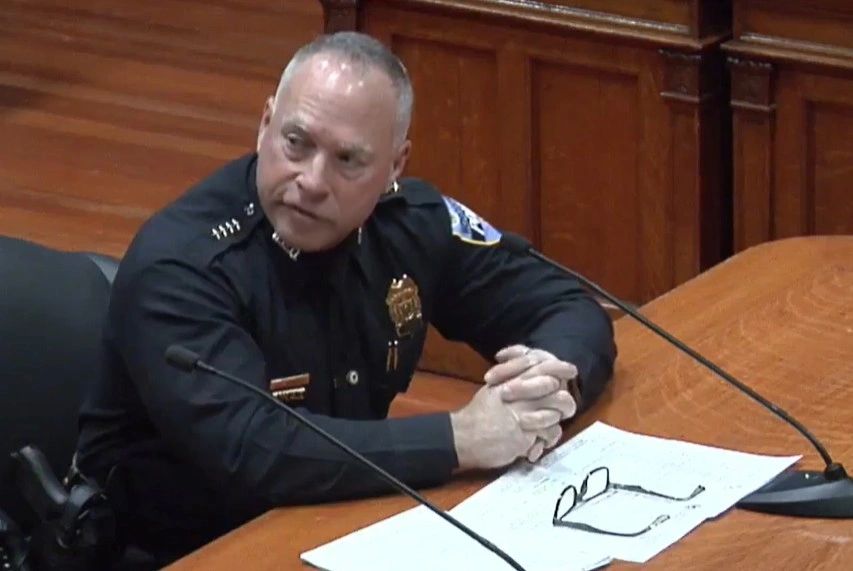
The expansion was also highlighted Tuesday night during the Worcester City Council’s review of the 2025 annual crime report, where city leaders described the initiative as part of a broader prevention strategy tied to public safety and youth violence reduction.
Resilient Worcester is a partnership between Clark University and Worcester’s Governance Council on Children, Youth and Families.
The expansion aims to ensure that children who experience trauma at home, school or in the community receive support throughout the full day, organizers said during a virtual announcement Tuesday.
The Handle With Care model is a national school-community response program that allows first responders to send a confidential message—including a child’s name, school and age, along with the words “handle with care” —to school personnel after a traumatic incident. The alert does not detail the event but signals that the child may need additional understanding and support.
“By enabling us to share Handle With Care alerts with childcare providers we can ensure young children who’ve been exposed to trauma will receive support for the full duration of their day; this helps strengthen our support system and prevents children in our community from falling through the cracks,” said Dr. Laurie Ross, leader of Resilient Worcester and associate provost and dean of the College at Clark University, in the release.
Ross added: “When police, fire, schools, and early childhood educators are connected, we can respond more quickly to trauma and promote children’s development. This reflects Worcester’s belief that every child deserves to learn and grow in a community that understands their needs and nurtures their resilience—making us a stronger, more family-friendly city.”
During Tuesday’s council meeting, City Manager Eric Batista said the program reflects years of work connecting trauma prevention and public safety efforts.
“One of the things that we were discussing and kicking off today was a new program that we’ve had in the city since 20, probably 2020, or 2018 we started a program called Handle with care,” Batista said, explaining that when first responders encounter a traumatic situation involving a young person, they notify schools with a simple message so staff can provide support.
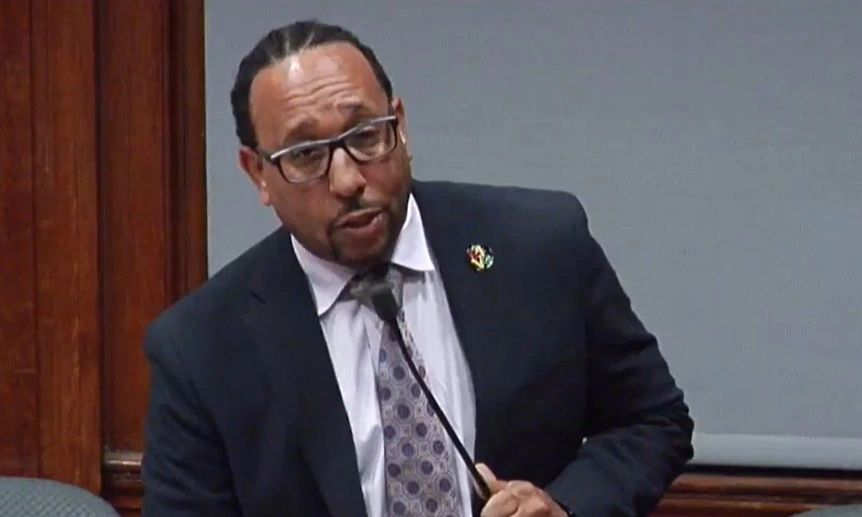
Batista said the city expanded the program to include early childhood providers and children under age five, calling Worcester “the first in the state to launch this and kick this off to these young folks.”
“It’s called the Handle With Care,” Batista said, “and it’s kudos to the team and the department for willingness to expand their efforts, but also to go an extra mile and making sure that that warm handoff is communicated to the schools, and not only the schools, but also the Early Childhood educational programs in the city.”
Batista said in the release that trauma was identified as a major risk factor for later involvement in youth violence during a 2018 Youth Violence Prevention Initiative.
“They found that trauma is a major risk factor in later involvement in youth violence,” Batista said. “That is one of the reasons why we discussed Handle With Care … and why it’s so important today.”
Batista said the program initially focused on teenagers and mostly adults.
“We now have a strong, coordinated network that provides a more comprehensive response to trauma than ever before,” he said. “With 30 local partners involved that have covered over 400 situations. Today marks an important step in Worcester’s continued leadership on trauma-informed community safety and family wellbeing.”
Saucier said in the release that expanding the program to early childhood providers ensures continuity of care beyond the school day.
At Tuesday’s meeting, Saucier also linked trauma-informed work to broader community policing efforts.
“When we look at our community policing programs, having the officers get out of their vehicles, engage the community 30 minutes a day, that’s huge, because that builds trust,” Saucier said. He also outlined a newly launched Massachusetts Youth Diversion Program that allows officers to divert youth ages 12 to 18 to services that include mental health awareness, education support, cognitive behavioral therapy and family programming.
Councilor Khrystian King requested a report back on the details of the Handle With Care model, citing past discussions about confidentiality and the importance of prevention strategies that disrupt what he described as the “trauma to prison pipeline.”
“What we’re hearing, Mr. Chairman, is that community engagement, community trust, has a significant impact on public health and public safety,” King said.
District Fire Chief Scott Armstrong said first responders are often the first point of contact during traumatic incidents.
“The Worcester Fire Department is grateful to be a part of this multi-agency collaboration to ensure that children receive support from the moment of impact through the whole process,” Armstrong said in the release. He added that in 2025, the department submitted 89 referrals for children impacted by fire-related events.
Matt Morris, director of School Safety for Worcester Public Schools, said the phrase “handle with care” “creates awareness and produce action.”
“Providing a learning environment that is supportive and therefore safe is fundamental. Handle With Care notifications provide that awareness so that schools may provide support and that students may experience better outcomes around attendance, behavior, and achievement,” Morris said in the release. “I can tell you that without a doubt, it is making a difference for our students.”
The grant also funds a new Family Navigator role within The Hub, Worcester’s trauma-response system made up of local nonprofits, municipal services and state agencies. The navigator coordinates individualized support plans and connects families to resources following traumatic events.
Anthony Rossi of the Seven Hills Foundation assumed the role in September.
“In a difficult time, it can be hard to navigate stressful situations,” Rossi said in the release. “With teamwork and guidance, we can make a difference in the life of every child.”
Michelle Webber, a social worker in Worcester’s Department of Health and Human Services, described in the release how coordinated support helped a family secure housing and access services.
“Trauma-informed practice is about relationships. It’s about trust. It’s about reducing the burdens on families already under stress. Every child deserves care after trauma, and every family deserves a guide,” Webber said.
Resilient Worcester said the expanded services build on the Worcester Youth Violence Prevention Initiative launched a decade ago, which has reported decreases in gun and knife incidents involving people 25 and younger, as well as a decline in arrests of young people.
“Resilient Worcester is grateful to UMass Memorial Health for providing the funding that will enhance these programs and better support children and families across the city,” Ross said in the release.
Have news, tips, or a story worth telling? Reach Editor Charlene Arsenault at carsenault@theworcesterguardian.org—because good stories (and great scoops) deserve to be shared.
The Worcester Guardian is an independent nonprofit news organization. Support local journalism by making a DONATION today.
