
WORCESTER—The two topics that have drawn the most public interest on the Worcester City Council’s agenda for Dec. 12—adopting a citywide speed limit of 25 miles per hour and allowing accessible dwelling units by right—were tabled under privilege at its last meeting.
Councilor At-large Donna Colorio tabled the speed limit topic and Councilor At-Large Morris Bergman tabled the dwelling issue at the council’s Dec. 5 meeting.
The Department of Transportation & Mobility is recommending the citywide 25-mile-per-hour speed limit and additionally establishing safety zones with 20-mile-per-hour speed limits. The council likely won’t vote on whether to adopt the lower speed limits on Tuesday, as City Manager Eric Batista requested the council refer the item to the Traffic and Parking Committee for a public hearing and recommendation.
To support the reasoning behind enacting a lower citywide speed limit, Commissioner of Transportation & Mobility Stephen Rolle cited that Worcester has experienced more than 5,300 crashes that resulted in confirmed injuries, 958 of which resulted in serious injuries or death, in the past decade. A large percentage, over 40 percent, of the people who died in the crashes were pedestrians.
As speeds increase, the likelihood a pedestrian who is struck by a vehicle will survive declines, according to Rolle. When a pedestrian is hit by a vehicle going 20 miles per hour, they have a 90 percent survival rate, which decreases to 50 percent when a vehicle is going 30 miles per hour, and to 10 percent at 40 miles per hour.
“Even a small differential can have a significant impact; a reduction in motor vehicle travel speed from 30 mph to 25 mph is associated with a 35 percent decrease in the risk to pedestrians of serious injury and more than a 40 percent decrease in the risk,” Rolle wrote, citing data from a AAA Foundation study.
If the council eventually voted to adopt it, a 25-mile-per-hour statutory speed would apply to all public streets in the city that aren’t subject to special speed regulations, meaning interstate highways, state highways under MassDOT jurisdiction, and local arterial corridors.
A proposed amendment to the city’s zoning ordinance to allow accessory dwelling units within certain dimensions by right has already made it through subcommittees and the city’s planning board, so if the item isn’t tabled again, the council will be voting on whether to enact it.
The zoning amendment would allow homeowners to construct accessory dwelling units, colloquially known as in-law apartments, on their properties without needing to go through a special permitting process if they fall within certain dimensions.
After being adjusted following suggestions from the planning board, the proposed ordinance amendment states that ADUs cannot have a gross floor area greater than 900 square feet, cannot be located in the front yard, must have a maximum height of 20 feet if they are detached from the main structure on the property, cannot have more than two bedrooms, and do not need to be occupied by a relative.
The original proposed ordinance amendment from the city’s administration included an owner-occupancy requirement for the ADUs, meaning only homes that the owners lived in could construct ADUs.
The Planning Board recommended that the owner occupancy requirement be removed. The administration’s intent in limiting it to owner-occupied properties was to encourage homeownership and mitigate the potential increase in activity from investors in the market who don’t intend to live in the units.
The board understood the intent, according to the city’s Chief Development Officer Peter Dunn, but questioned enforceability and what would happen if an owner decided to later move out of the unit.
“What happens if there’s a neighbor complaint that the owner is no longer living there?” asked Dunn. “What would we do to enforce that and we wouldn’t certainly want to evict anybody, but then what would the option be to bring that property back into compliance?”
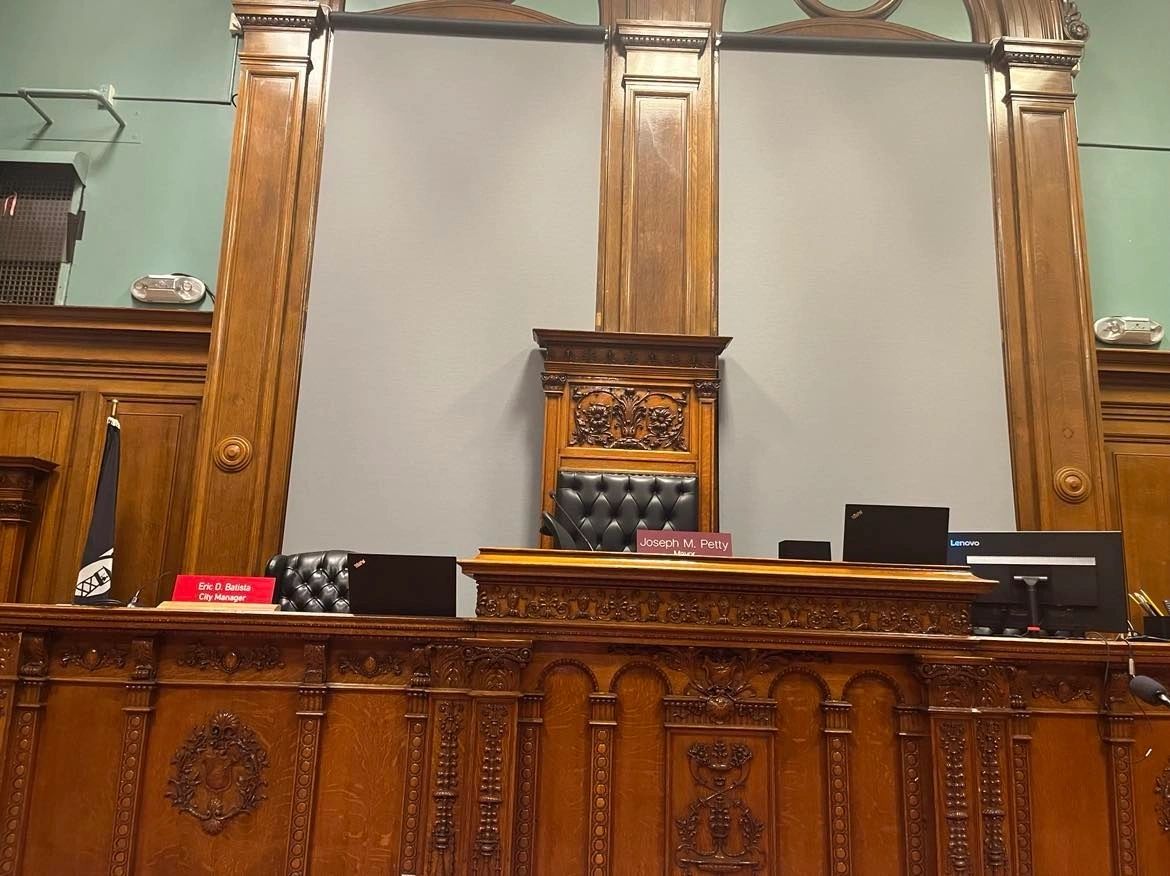
The Worcester City Council is holding its meeting at 6:30 p.m. Tuesday at Worcester City Hall.
Kiernan Dunlop is an award-winning journalist who has spent the past five years reporting in Worcester, New Bedford and Antigua and Barbuda. She’s been published in Bloomberg, USA Today, Canary Media, MassLive, and the New Bedford Standard Times, among other outlets. She can be contacted at kdunlop@theworcesterguardian.org
