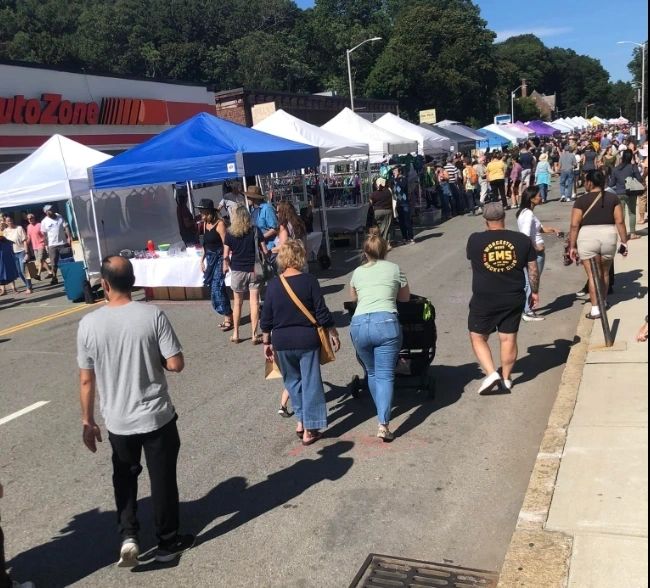
WORCESTER—When stART on the Street, Worcester’s largest arts festival, said it was packing up its easels in September 2024 after 20 years, the news rippled through the city’s creative community and raised broader questions about what it takes to hold large-scale events in New England’s second-largest city.
The grassroots festival, which drew thousands annually to Park Ave. after moving from its original location on Main Street, had long been more than just an arts fair.
A local favorite, lost
“I went to the very first stART,” said Worcester resident Beth Hanavan. “I was new to the city trying to find the art scene. I was surprised, just like First Night, stART came to an end. They were both grassroots efforts to begin with. There didn’t seem to be much outreach to keep either going.”
In a Facebook post when first dropping the bad news, stART on the Street explained the decision: “The ongoing challenge of recruiting dedicated volunteers and the substantial costs associated with hosting such a large-scale event, combined with the commitment to maintaining accessibility for vendors and attendees, were all factors that ultimately led Team stART to make this difficult decision.”
Co-founder Stacy Lord offered further insight to the Worcester Business Journal, citing “increasing fees, conflicting regulations, and inconsistent communication from city departments” as obstacles that ultimately became too burdensome. “Balancing these hurdles while maintaining our commitment to accessibility and support for emerging artists ultimately led us to conclude that stepping back was the right choice,” Lord said.
(Tina Zlody, a longtime co-organizer of stART, declined to be interviewed for this story. Lord did not respond to requests for comment.)
Costs, permits, and disappearing events
The process of hosting and planning public gatherings in Worcester has grown increasingly complex, a theme that has surfaced in previous city council meetings. In fall 2024, the council discussed ways the city could play a greater role in organizing or supporting arts festivals — including reviving an annual vendor and art market to showcase local talent.
Currently, permitting for special events applies to events on city property (parks, streets) or those needing city services (e.g., parades, festivals, food sales, structures, alcohol).
Residents must obtain a special event permit submitted at least 90 days before, and approved 14 days ahead of the event. The Cultural Development Division provides a liaison to help with the process.
Meagan Matthy, a Worcester resident who organizes free events for women in Central Massachusetts, said cost is a major barrier. “Getting approved use of a park for a free community event at $125 an hour feels excessive and is definitely a barrier that has led me to look into hosting my events in neighboring towns.”
Speaking from her personal experience, Matthy added, “I wanted to host a picnic in the park and [the City of Worcester] wanted $325.” In terms of what she thinks would be helpful towards improving the organizing and hosting of events, she said, “I think re-evaluating the fees and what types of events the fees apply to.” The picnic, she added, did not require a clean-up crew, portapotty, or police detail.
Local business owners, too, have felt the festival’s loss. Maria Rodriguez, owner of Artisan’s Corner on Park Ave., said stART brought vital foot traffic. “During festival weekends, our sales would triple. It wasn’t just about the art – it was about bringing people together and supporting local businesses.”

”It costs a lot of money to host a public event in Worcester,” said Jennifer Gaskin. “Every single city department charges a fee, and the largest portion usually goes to the Worcester Police Department. In Boston you need a permit to use a park, but there’s no fee for the actual space. In Worcester, not only do you pay to use the park, but you’re also charged for park staff. When we held our event on Park Ave, the city even wanted us to pay for street cleaning — and we were already out there after the event cleaning like it was a community work detail.”
City response and permitting reforms
City officials, while acknowledging challenges, say they’ve made strides to address them. Fabian Barracks, Worcester’s cultural development officer and executive director of the Worcester Cultural Coalition, said, “While permitting can be a cumbersome process, it is a necessary piece of event organizing to ensure the proper safety and logistics are in place to run an event. That said, we are constantly in touch with organizers and hearing direct feedback on their experience. This feedback drives our efforts to improve the process.”
According to Barracks, the city rolled out a streamlined special event permit application in March 2025, consolidating two previous forms and eliminating four permits from the process. “Moreover, 14 permit fees were reduced or waived entirely,” he said.
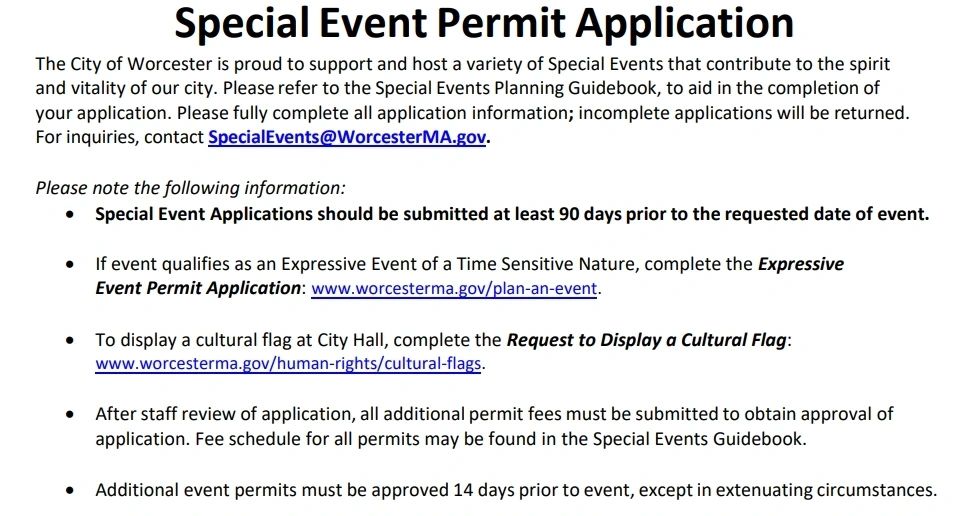
This unified Special Event Permit Application now covers both the Cultural Development Division and Parks Department. “These enhancements are a major step forward in removing barriers for individuals and groups to host special events in the City of Worcester … identifying 18 permits or fees to be eliminated or waived,” said Worcester City Manager Eric Batista. “This is the first step in what will be a continuous process to improve our special event permitting based on user feedback and we look forward to a great event season.”
Public safety concerns have also shaped city decision-making. Worcester resident Andrew Keefe said he enjoyed the stART festivals but cited security issues at other events, including the Worcester Caribbean American Carnival in 2023 and the Latin Festival in 2016, as evidence that careful planning is essential.
Finding workarounds — or new ways forward
Even amid challenges, many events have adapted and endured. “With 62 public parks, there are dozens of venues open to the public for use, and the WCC, in partnership with the city, supports a diverse range of cultural and community celebrations,” Barracks said. “Since the [COVID] pandemic, like other cities across the country, Worcester has witnessed an extreme surge in popularity and demand for public space.”
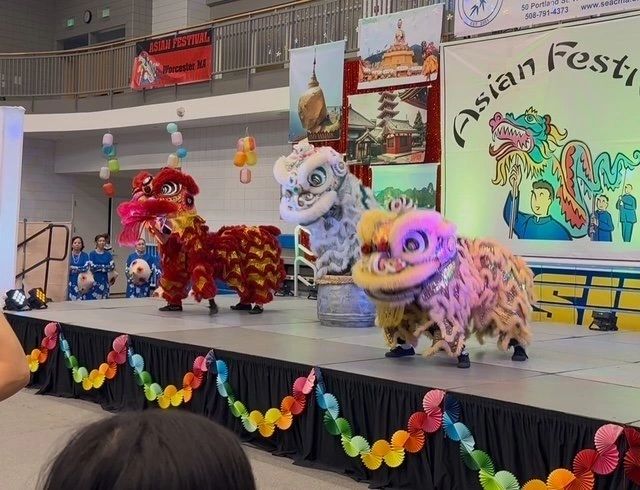
Sarah Chen, organizer of the Worcester Asian Festival, said adapting was key to their survival. “We’ve partnered with larger institutions and secured corporate sponsorships to help cover costs. It’s not easy, but there are ways to make it work if you’re willing to evolve.”
Barracks added that the reforms seem to be gaining traction. “Since the launch of the 2025 special event permit application in March 2025, over 200 permit requests have been processed, outpacing the average annual permitting rates significantly from previous years. Since 2021, approximately 715 event permit applications have been processed.”
He added that “notably, Special Event teams in other New England cities and nationally, have connected with the City of Worcester around event permitting systems as a model for reduced cost and fee eliminations. The city continues to explore digitization of event permit materials, language accessibility, reduction of expenses and opportunities to offer granting, financial resources, and event support to the public.”
What comes next for Worcester’s creative scene?
Some believe formal support systems could help event organizers navigate the new normal. “Maybe the chamber of commerce could host a lecture series on how to do events like these, keep them going,” Hanavan said. Local arts advocate Michael Sullivan suggested a mentorship model: “We need a mentorship program connecting experienced event organizers with new ones. There’s so much institutional knowledge that could be shared.”
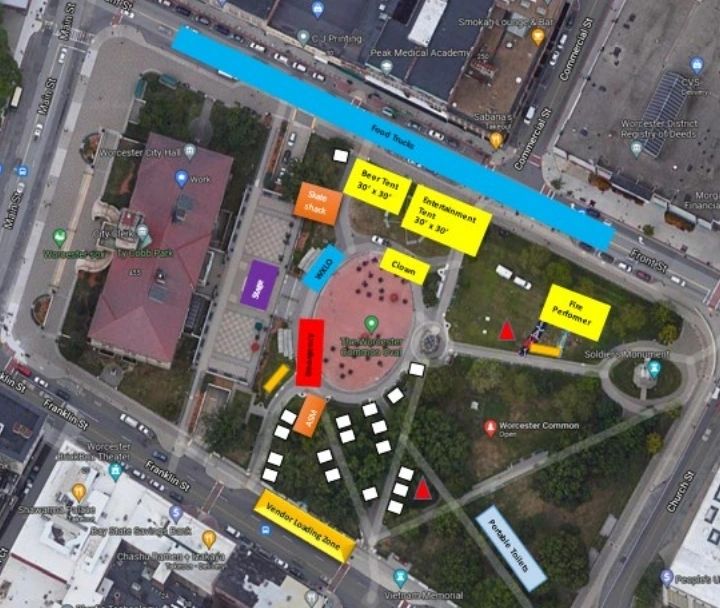
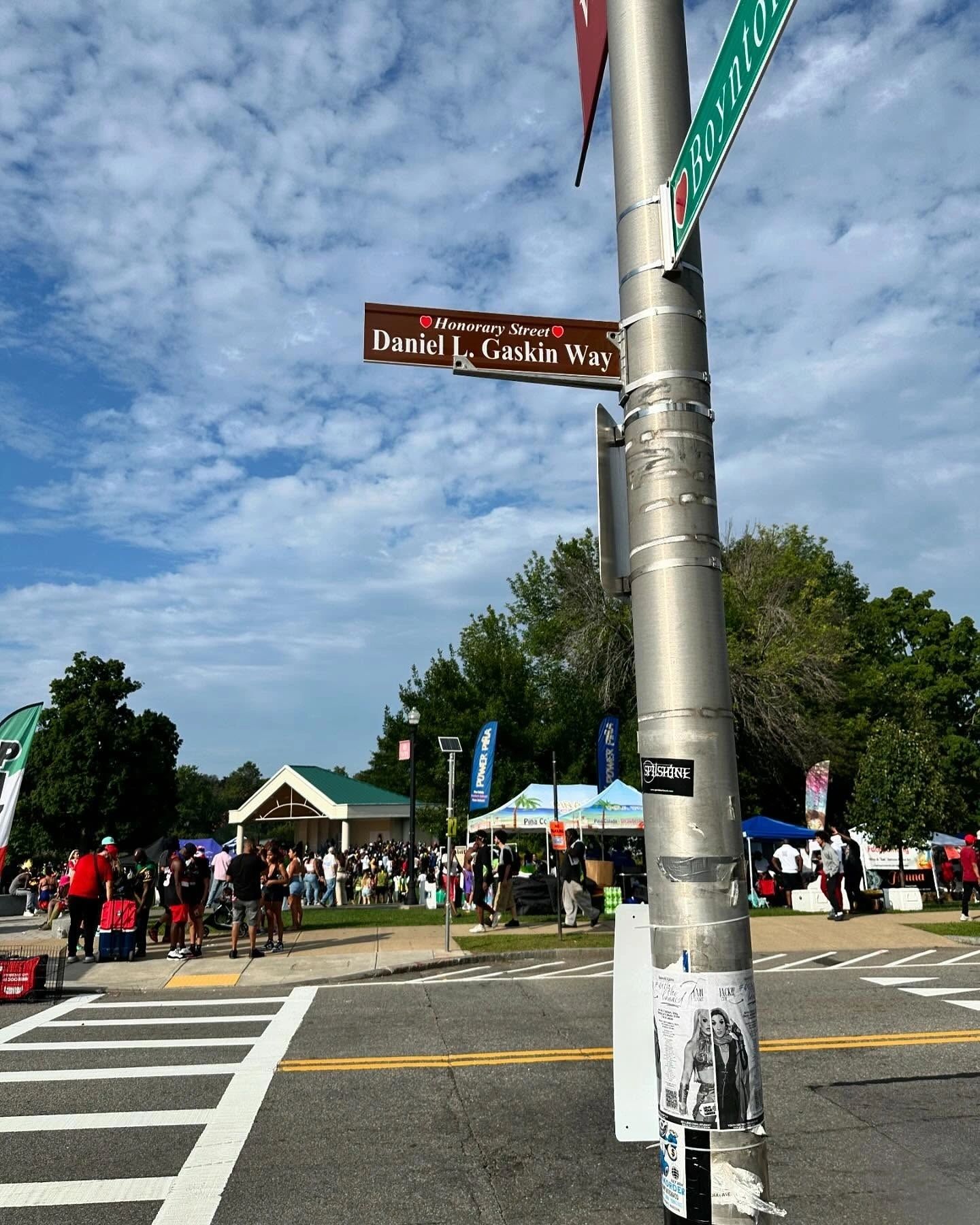
Worcester resident and organizer Jennifer Gaskin founded the Worcester Caribbean American Carnival Association, which hosts the 12th Annual Worcester Caribbean American Carnival on Aug. 24 on the Worcester Common. She argues that community events are more than logistics — they’re a part of the city’s identity.
“As an attendee, it’s always been a great reminder of the creativity and cultural richness that lives in this city,” she said. “But as an organizer, I’ve seen just how difficult it is to keep those kinds of events going in Worcester, and that always weighs on my experience.”
Urban planning expert Dr. Rachel Martinez of Clark University echoed that perspective. “Cities nationwide are struggling with similar issues. The key is finding innovative ways to preserve community events while addressing modern safety and liability concerns. Worcester’s recent reforms could serve as a model for other mid-sized cities.”
Even as the festival ends, its popularity was never in doubt. “There seemed to be so many people and vendors in attendance at the Park Ave. event, even after COVID,” Keefe said. “I generally think it means there are unseen costs associated with this type of event. Otherwise Worcester would do it once a month or once a week.”
Matt Olszewski is a freelance content and news writer based in Boston, MA. In his free time, Matt enjoys running, hiking or skiing. Matt recently graduated with his MPH from Tufts University. He can be reached at mattoskier@gmail.com
