WORCESTER—As Worcester enters 2026, city officials say they are nearing the final phase of spending a historic infusion of federal and state pandemic relief funds that has reshaped everything from housing development to public infrastructure.
Since 2021, the city has been awarded approximately $146.6 million through the American Rescue Plan Act, or ARPA, as part of the federal Coronavirus State and Local Fiscal Recovery Fund. The funding came with strict federal requirements, including deadlines to commit and fully expend the money, as well as detailed reporting and compliance standards.
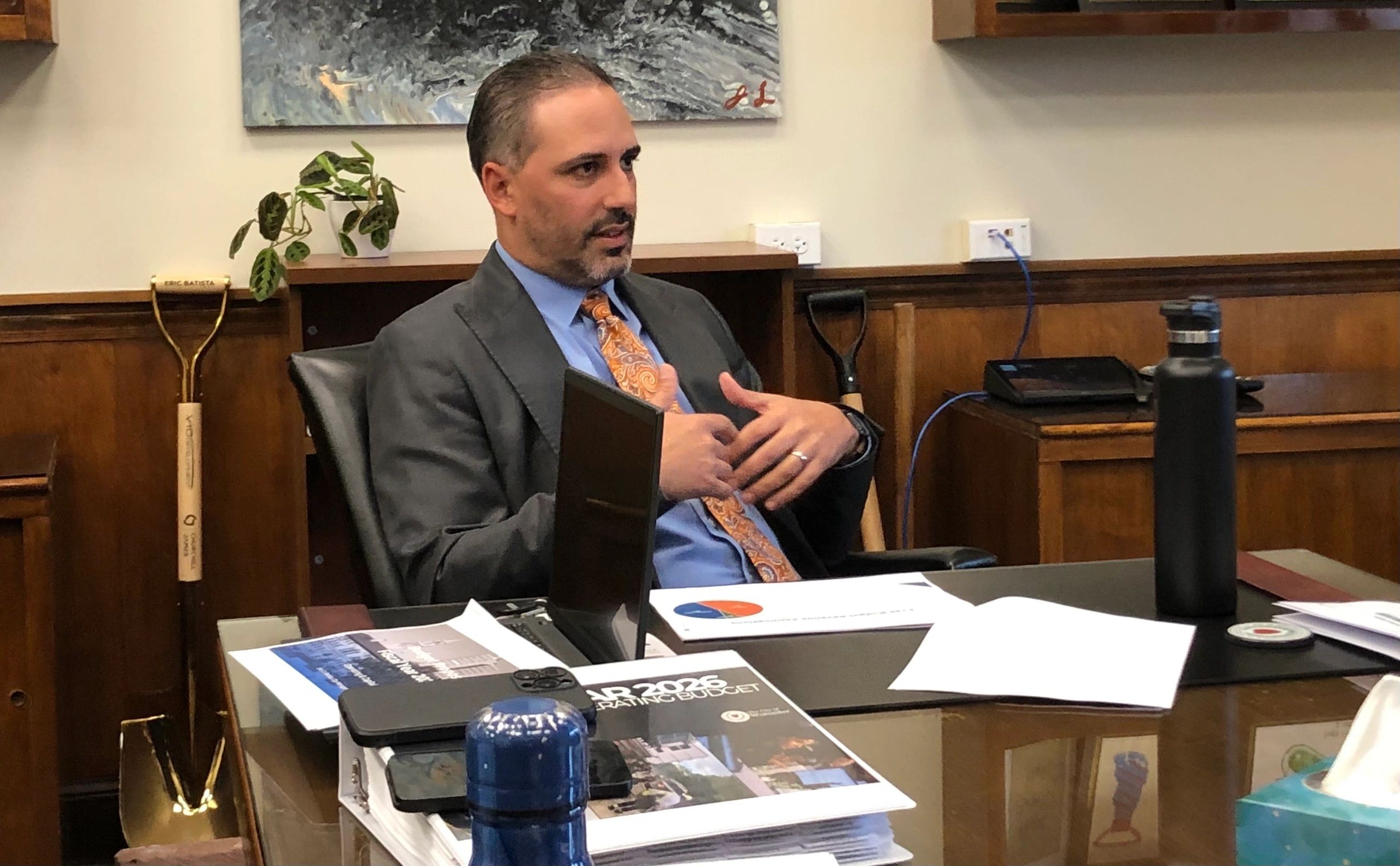
City Manager Eric Batista said Worcester met the first major federal benchmark by committing all ARPA funds by the end of 2024.
“The municipality successfully committed all of the ARPA funds by the federal deadline of Dec. 31, 2024,” Batista said. “The ARPA funds need to be fully expended by Dec. 31, 2026. To date, approximately $115 million has been expended. The municipality is closely monitoring the progress of contracts and projects representing the remaining $31 million.”
Where the money went
City reporting shows that by mid-2024, Worcester had committed or spent roughly $100 million of its ARPA allocation across hundreds of initiatives. More than $68 million was directed toward housing and community programs, more than $37 million toward public infrastructure and assets, and just shy of $3 million was poured into public health efforts.
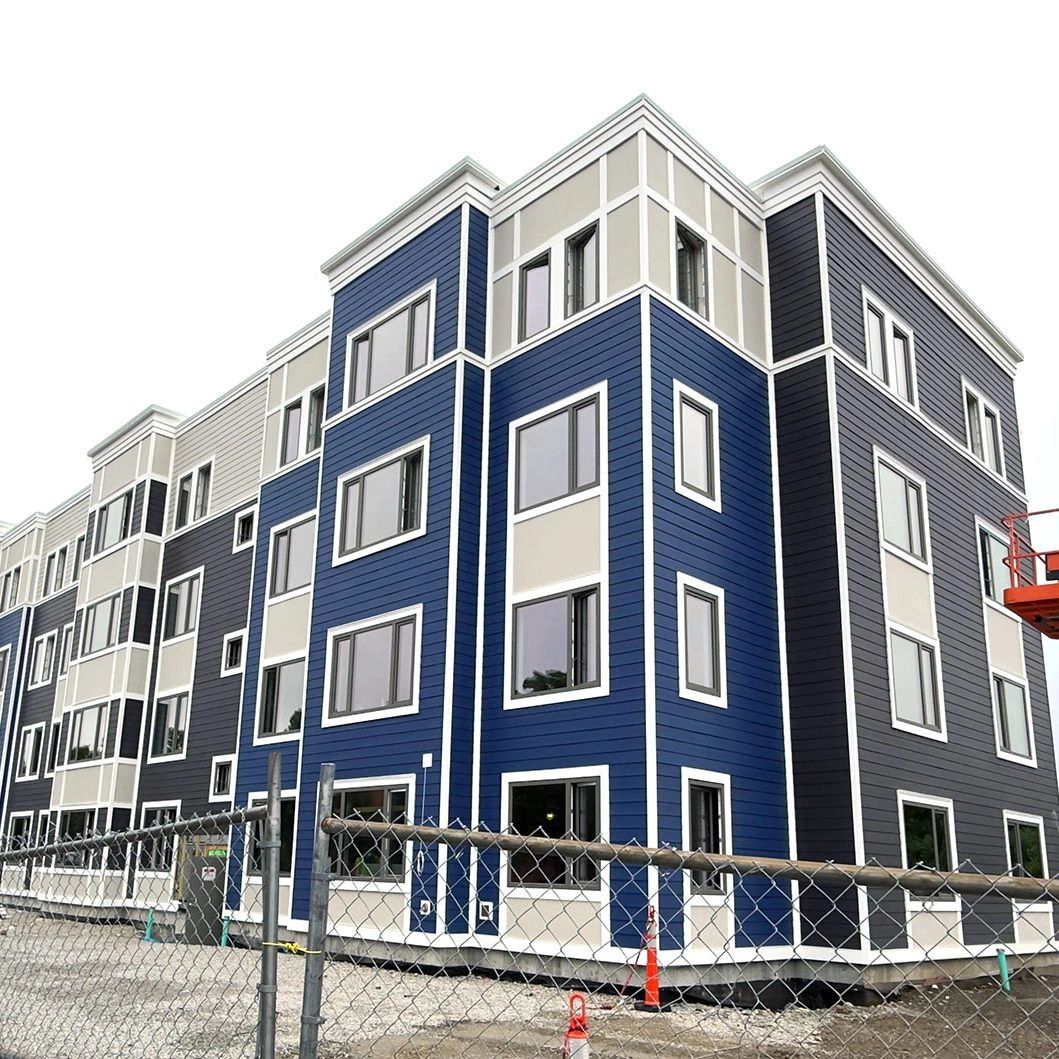
Housing accounted for the largest share of ARPA investment in 2025. The city used $28 million in ARPA funds to seed the Worcester Affordable Housing Trust Fund, including an initial $15 million allocation to support affordable housing development.
Through 2025, the trust funded 13 initiatives that leveraged more than $380 million in combined public and private investment, aimed at creating or preserving 512 affordable housing units citywide. In October 2025, the trust approved an additional $1.25 million to support 59 affordable rental and homeownership units across eight developments on streets including Claridge Road, Benefit Street and Fifth Ave.
Batista said many of the city’s remaining ARPA balances are tied to large-scale capital projects that take longer to complete.
“Those remaining contracts and projects represent several different spending categories,” he said. “Notably, some of the larger balances exist in ongoing capital projects like housing development projects supported by the Affordable Housing Trust Fund, accessibility improvements in Worcester Public Schools, and water/sewer infrastructure. It was expected that capital projects would take the longest amount of time due to processes related to design, procurement and completing the physical work.”
Workforce, arts and basic needs
Beyond housing, ARPA funding supported workforce development, youth employment, arts and culture, and food security. In response to cuts to state-funded youth employment programs, Worcester allocated $1.5 million in ARPA funding in 2024 and 2025 to sustain the YouthWorks program, supporting more than 600 job placements across sectors ranging from recreation to biotechnology.
Cultural organizations also received targeted support. In 2025, the city awarded $2.95 million in ARPA cultural grants to institutions including the EcoTarium, Mechanics Hall, the Worcester Art Museum and the Massachusetts Symphony Orchestra, aiming to stabilize organizations disrupted by the pandemic.
Earlier ARPA allocations included $2 million distributed through the United Way of Central Massachusetts to support food pantries and distribution networks. Batista said the city has since reallocated some ARPA funds to address ongoing needs.
“To date, the municipality has made some reallocations that are addressing persistent needs in the community, such as the announcement earlier this fall related to food security and rental assistance,” Batista said.
Broader budget context
ARPA funds represent only one piece of Worcester’s overall funding picture. According to the mayor’s FY25 financial overview, the city also relied on approximately $54 million in traditional federal grants, including $23 million in SAFER fire grants, $9 million in community development block grants, $8.6 million in housing assistance and $6.2 million for brownfields cleanup. About $10.8 million of that funding supported city operations and staffing.
Combined with state aid and local revenue, those funding streams supported a total FY25 city budget of approximately $893 million, covering schools, public safety, public works, pensions and debt service. Capital investments included street improvements, parks, public safety equipment and major facilities such as the DCU Center and Union Station.
Debate and oversight
The pace and accessibility of ARPA spending have drawn criticism from some nonprofit leaders and advocates, who have said smaller organizations struggled with administrative requirements or that funds were not deployed quickly enough amid ongoing housing pressures. City officials have said federal compliance rules and construction timelines influenced both the speed and structure of spending.
Batista said the city continues to provide updates on ARPA projects as they move forward.
“The municipality expects to submit a status report to the city council on Feb. 10,” he said.
He added that the city is prepared to reallocate funds if necessary to meet federal deadlines.
“Any contracts or projects that have unexpended balances or timelines that cannot be accomplished by Dec. 31, 2026, will be reallocated to ensure all funds are successfully expended by the deadline,” Batista said. “If the municipality reallocates funds, it must be an amendment to an existing contract with justification for the additional funds.”
Looking ahead long after the pandemic
City leaders say the impact of ARPA spending will extend beyond the pandemic era.
“The ARPA funding has been a significant help in addressing the negative impacts of the COVID-19 pandemic; the outcomes stretch far beyond just the amount of dollars invested and the number of residents assisted,” Batista said. “Many of these investments have long-term implications like the creation of new affordable housing opportunities that will be deed-restricted for decades, and the water/sewer investments that will benefit Worcester ratepayers for years to come.”
Mayor Joe Petty said that people-focused priorities shaped many funding decisions.
“A city is much more than market rate housing; it is its people,” Petty said. “As such, the issues I consider important are housing affordability, homelessness and food insecurity.”
As Worcester prepares to fully close out ARPA spending in 2026, officials say future capital plans rely on state grants, traditional federal funding, bond financing and local revenue.
“The municipality looks forward to successfully closing out the funds in 2026, Batista said, “and continuing to tell the story of the positive impact these federal funds have had on the community.”
Matt Olszewski can be reached at mattoskier@gmail.com