
Worcester’s Community Preservation Committee is prepping for its next major funding cycle after awarding roughly $10.8 million to 41 projects over its first two rounds, a process those involved say is starting to reshape how Worcester invests in housing, parks, historic preservation and neighborhood infrastructure.
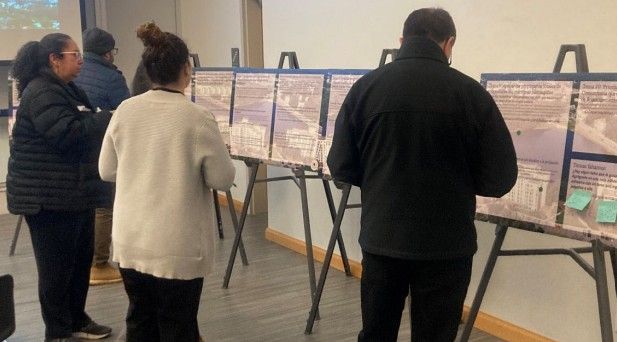
At a public hearing Tuesday night, committee members reviewed progress on the city’s Community Preservation Plan, welcomed a new program manager and heard feedback from residents and nonprofit leaders as Worcester enters what committee Chair William Eddy described as an “in-between spot” before a more intensive third funding round begins this fall.
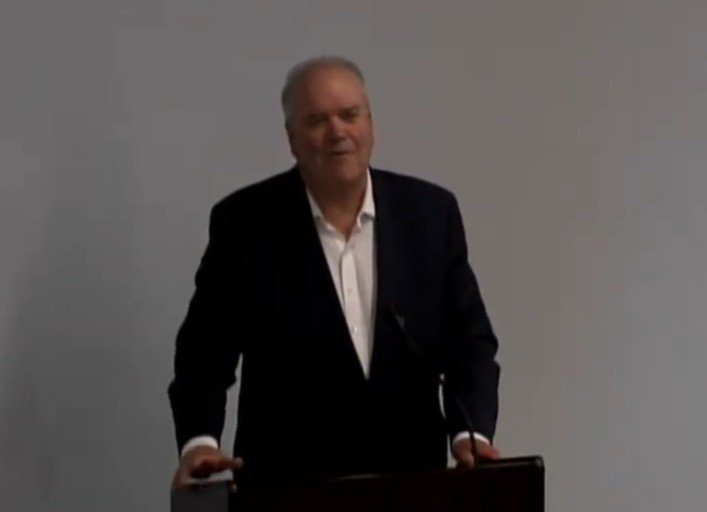
“We find ourselves before we begin the third round,” Eddy said during the meeting. “When we come back in September, we’ll begin a kind of a robust schedule meeting, leading us toward January, February, where we’ll be making selections in the third round.”
The Community Preservation Act, approved by Worcester voters in 2022, created a dedicated funding stream bolstered by a 1.5% property tax surcharge and a state match. City documents estimate the program generates roughly $4.5 million annually for projects tied to historic resources, open space and recreation, and community housing.
The city’s preservation plan itself was formally adopted in March 2025 and built through months of public engagement that included interviews with more than 40 local organizations, multilingual surveys and public forums that drew nearly 250 participants.
The committee is now beginning its first annual review of that plan.
Assistant Chief Development Officer Paul Morano said the city intends to update the document later this year following Tuesday’s public hearing, including revisions reflecting public feedback and an annual report summarizing the program’s first funding cycles.
Two residents offered feedback during Tuesday’s public hearing, both urging the committee to think carefully about how preservation funding is prioritized and communicated to the public. Elsie Boucher (with husband Harold at her side), a resident living on Olean Street in the Tatnuck Square neighborhood, spoke about the importance of historic preservation and maintaining neighborhood character.
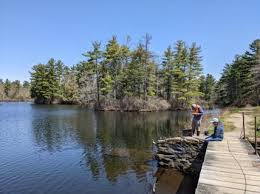
Boucher praised several projects funded during the first two rounds, including improvements tied to the Fatty Jenkins basketball courts in Piedmont, preservation work near Brooks Dairy Farm and environmental work connected to Cook’s Pond.
“This is exactly the sort of project that I, as a taxpayer, would love to see more of,” Boucher told the committee, pointing to projects benefiting neighborhoods and organizations with demonstrated financial need.
Boucher also highlighted environmental concerns around Cook’s Pond and the importance of maintaining infrastructure that could help with flood control and aquatic vegetation management.
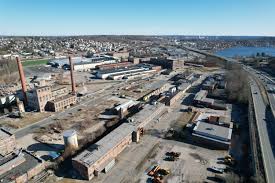
Worcester Business Development Corporation President Craig Blais also updated the committee on two preservation-funded projects involving WBDC, including work connected to the Reactory biomanufacturing campus and Green Tech Park.
Blais described efforts to create a memorial and public trail access area near the former Worcester State Hospital campus, including connections to the East Side Trail system and preservation work tied to the historic administration building.
“We’re trying to create a place that people can actually access and experience,” Blais said during the hearing. He also referenced nearby institutions and landmarks including the Worcester Art Museum, Saint-Gobain and Green Hill Park while discussing how preservation funding could help strengthen public access and connections between different parts of the city.
Blais also used the hearing to provide updates on two preservation-funded projects tied to the former Worcester State Hospital campus and Green Tech Park. He said preservation funding helped advance plans for a memorial and trail-access area at the Reactory biomanufacturing campus, including conservation protections and public access connections to the East Side Trail. He also described ongoing efforts to preserve and potentially redevelop the former state hospital administration building at Green Tech Park, though he acknowledged the building faces major financial and structural challenges.
The comments reflected one of the recurring themes behind the Community Preservation Act process in Worcester: balancing large-scale city priorities with neighborhood-level concerns and making sure residents and smaller community organizations understand how to participate in a program that could eventually distribute millions of dollars annually toward local projects.
The preservation plan outlines priorities ranging from climate resilience and accessibility improvements to geographic equity in how projects are funded. It also identifies more specific goals such as preserving historic buildings facing demolition, expanding affordable housing opportunities, improving wetlands and drinking water resources, and increasing Worcester’s urban tree canopy.
While the hearing itself drew only a handful of speakers, much of the testimony centered on how quickly the relatively new program has already spread into different corners of the city.
Committee members repeatedly emphasized what they described as an effort to spread funding geographically across Worcester while balancing housing, recreation and historic preservation priorities.
“We are committed to diverse projects and to try to help all geographic areas of the city,” Eddy said.
The committee also introduced Susan Daly, formerly an administrative assistant at Friendly House, as Worcester’s new community preservation manager. Daly previously oversaw portions of the city’s federal ARPA funding work and said she would now help manage contracts and implementation for preservation-funded projects.
Morano said the city has now drafted or executed agreements tied to all 18 projects funded during the program’s first round and is working to accelerate contracts for the second round using newly developed templates.
The committee’s next major phase begins this fall, when officials expect to open the third funding round.
Under state law, at least 10% of annual Community Preservation Act funding must be reserved for each of the program’s three major categories: historic resources, open space and recreation, and community housing.
City officials say Worcester’s program is designed to prioritize projects that demonstrate public benefit, long-term sustainability and alignment with broader community goals.
“This plan is not a static document,” the preservation plan states. “It shall be reviewed annually and revised as necessary to ensure that project investments continue to align with community needs.”
Have a story tip, community concern, or insight to share? Email Editor Charlene Arsenault at carsenault@theworcesterguardian.org.
The Worcester Guardian is a nonprofit newsroom serving Central Massachusetts. Help keep independent reporting alive by making a donation today.
