
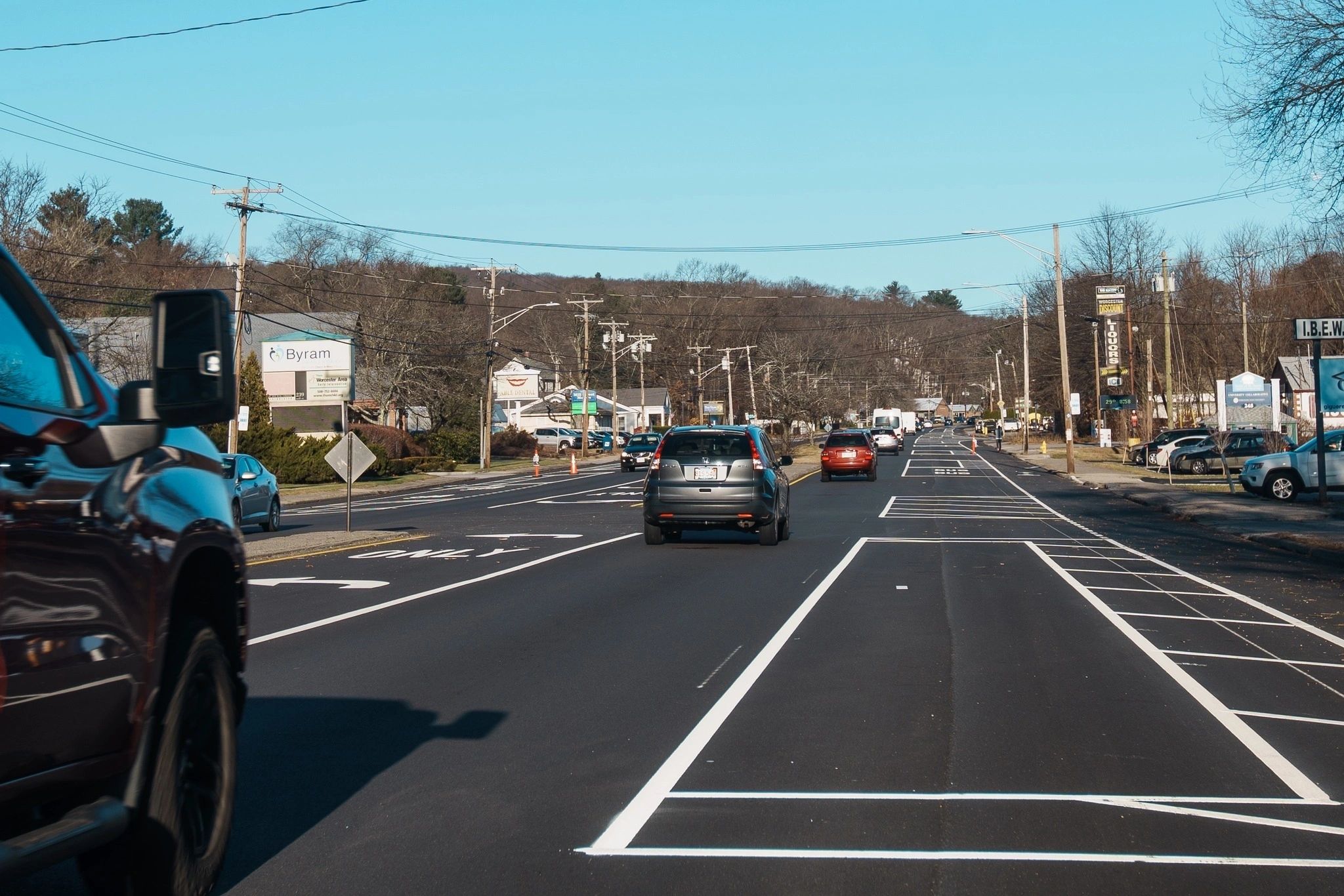
Worcester officials say the city is beginning to see early results from a sweeping effort to rethink how people move around the city, with new data showing reductions in crashes and speeding on several redesigned roadways, expanded pedestrian infrastructure and a growing network of bicycle facilities.
The findings are detailed in the city’s first annual Mobility Action Plan report, which tracks progress on Worcester’s long-range transportation strategy. The plan, adopted in 2024, outlines 46 recommendations aimed at creating a transportation system that is safer, more connected and less dependent on a single mode of travel.
While many of the changes have generated debate—particularly the expansion of bike lanes and traffic-calming measures—transportation officials argue the early numbers show the approach is working.
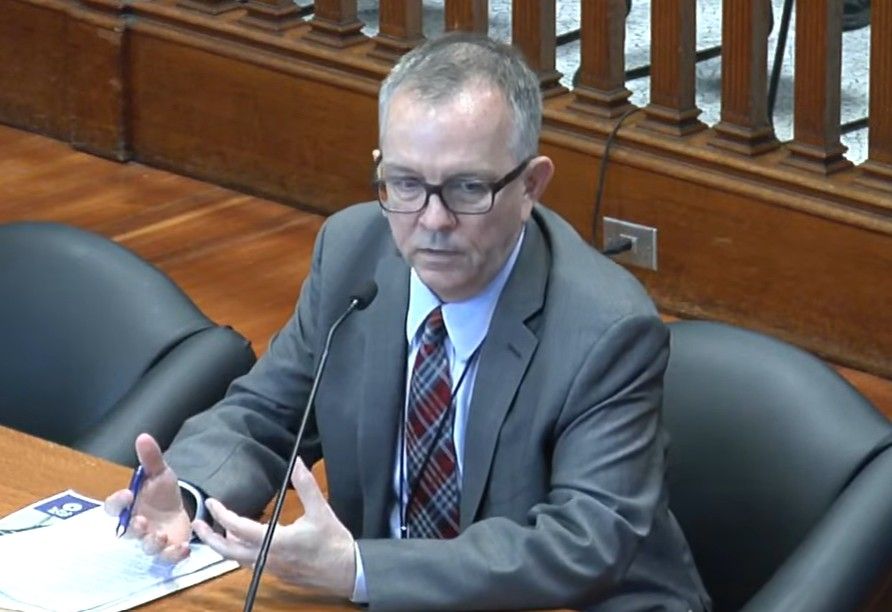
“We have seen crashes decrease significantly,” Department of Transportation and Mobility Commissioner Stephen Rolle told councilors while discussing the report during the council’s June 16 meeting. “The post crash rate is quite a bit lower than the pre crash rate.”
According to the report, Worcester completed four major roadway reconfigurations during the review period, including Burncoat Street, Grove Street, Stafford Street and Mill Street. City officials say preliminary data shows reductions in reported crashes, crash rates and speeding, without significant increases in travel delays or congestion.
The report also highlights major investments in pedestrian safety. Over an 18-month period, the city installed 14 new crosswalks, 13 curb extensions designed to shorten crossing distances and 22 new rectangular rapid flashing beacons, which alert motorists when pedestrians are crossing at unsignalized intersections.
Transportation officials have also focused heavily on traffic operations. The city completed a comprehensive inventory of all 175 municipal traffic signals and more than 100 other signalized devices, allowing staff to better monitor equipment, coordinate signals and respond to maintenance issues. Over the same period, Worcester completed 60 signal timing and equipment upgrades.
One of the largest ongoing discussions centers on bicycle infrastructure.
Since early 2024, Worcester has added 13.5 miles of new bicycle facilities, nearly doubling its bike lane network. The additions were made largely through reallocating existing roadway space rather than constructing entirely new infrastructure.
Rolle acknowledged that bike lanes remain controversial in some neighborhoods but argued they are part of a broader effort to make streets safer for everyone.
“As we’re implementing bicycle facilities, a lot of times that’s a component of making a street that is comprehensively better for everyone,” Rolle said. “We’re not just doing that solely to provide space for bicyclists.”
He said narrower travel lanes can help reduce speeding, improve pedestrian safety and better organize traffic movements.
Not all councilors were convinced.
Councilor Morris Bergman questioned whether the city is placing too much emphasis on bicycle infrastructure compared with the needs of motorists, noting that most residents still rely on cars to get around.
“I would love to see your department focus its energy and attention to the proper percentages,” Bergman said. “I’m not sure you do.”
Rolle responded that Worcester cannot accommodate future growth solely through automobile travel and needs a mix of transportation options, including transit, walking, bicycling and micromobility.
“We know as the city continues to grow, we can’t accommodate all that growth just in automobiles,” he said.
The report also highlights investments beyond roads and bike lanes.
Worcester completed a citywide inventory of sidewalks and curb ramps to assess accessibility and Americans with Disabilities Act compliance. The city installed 96 new public bike racks, expanded electric vehicle charging infrastructure and continued coordinating with the Worcester Regional Transit Authority, which recorded more than 5.1 million passenger trips in 2025—the highest ridership in the agency’s history.
The city also reported reviewing 558 traffic and parking requests during the reporting period and completed several “quick build” projects that use paint, flexible bollards and temporary materials to test traffic safety improvements before permanent construction.
Councilors from across the political spectrum praised portions of the report, particularly efforts to improve pedestrian safety and modernize transportation infrastructure.
Councilor Robert Bilotta said residents frequently raise concerns about speeding and dangerous road conditions.
“What we hear from residents throughout the city is how unsafe the roads are for children, for families wanting to walk around,” Bilotta said. “We need to make sure that our neighborhoods are safe and that folks can enjoy walking around.”
The Mobility Action Plan report covers progress through the end of 2025 and marks the first of two transportation-related annual reports expected this summer. A separate Vision Zero Safety Action Plan report focused specifically on traffic safety initiatives is expected later this year.
Have a story tip, community concern, or insight to share? Email Editor Charlene Arsenault at carsenault@theworcesterguardian.org.
The Worcester Guardian is a nonprofit newsroom serving Central Massachusetts. Help keep independent reporting alive by making a donation today.