
Worcester Polytechnic Institute researchers working on one of environmental science’s most stubborn problems are getting $1.5 million to move a potential solution closer to the real world.
The federal funding supports WPI research into a technology designed not merely to remove PFAS—the long-lasting compounds commonly known as “forever chemicals”—but to destroy them. Early laboratory tests of the process have destroyed more than 99% of PFAS across several forms of contamination, including firefighting foams, according to a recent announcement from the university.
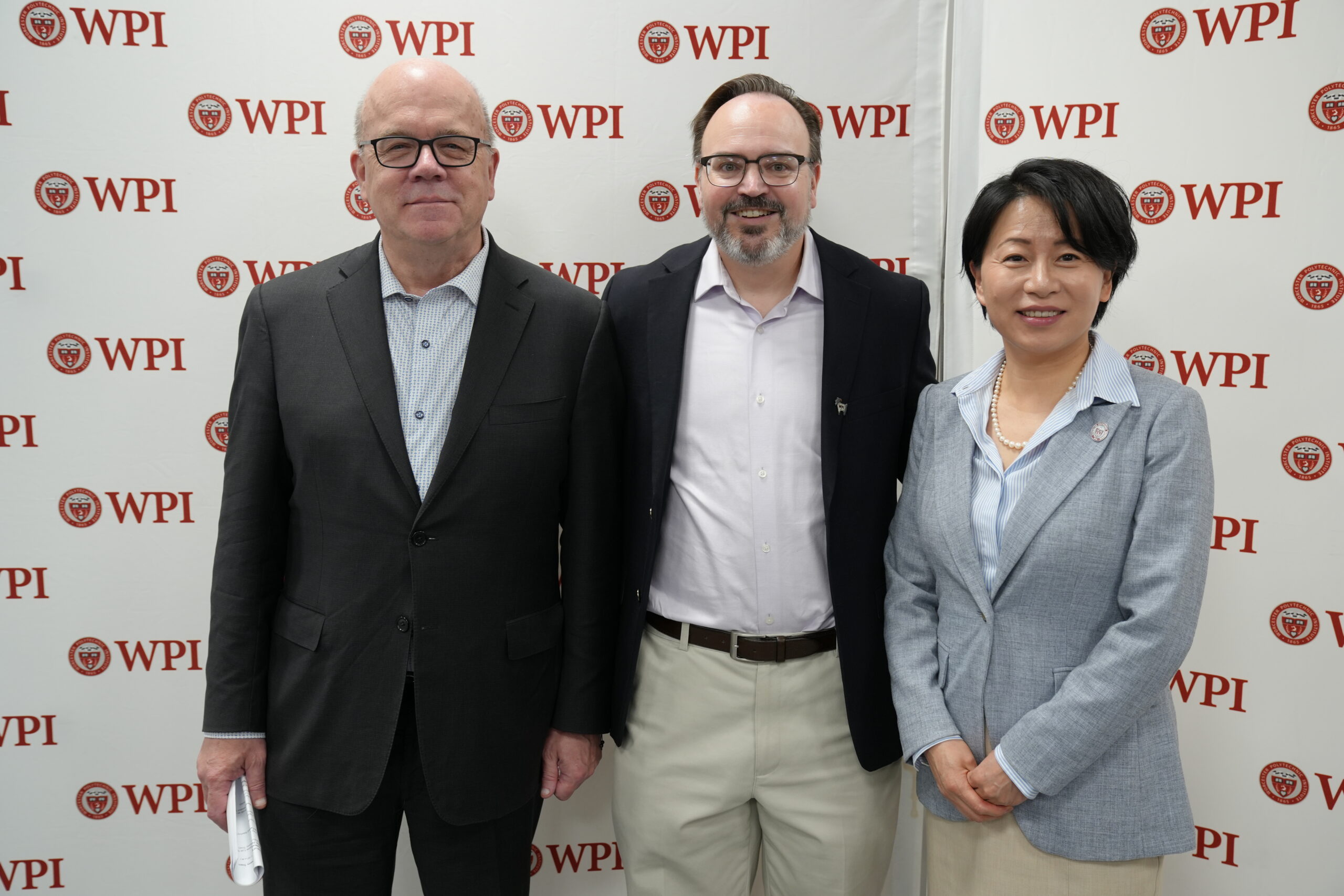
U.S. Rep. James McGovern announced the funding during a visit to WPI last week. The money was secured through the fiscal 2026 federal appropriations process, with McGovern leading the effort in the House and U.S. Sens. Elizabeth Warren and Edward Markey supporting it in the Senate.
The research could eventually have particular significance for communities grappling with contaminated soil and water, including in Central Massachusetts. WPI researchers plan to use the new funding to expand the university’s PFAS testing capabilities and investigate a method of pulling the chemicals from contaminated soil using plants — then destroying the PFAS absorbed by those plants.
“Folks in Massachusetts and across the country deserve to know that their food and water is free from toxic PFAS chemicals,” McGovern said in a statement. “I’m proud that WPI is on the cutting edge of research to get these substances out of our soil for good.”
PFAS are a large group of synthetic chemicals used for decades in products ranging from firefighting foam to consumer and industrial goods because of their resistance to heat, water and oil. The same durability that made the chemicals useful also allows them to persist in the environment.
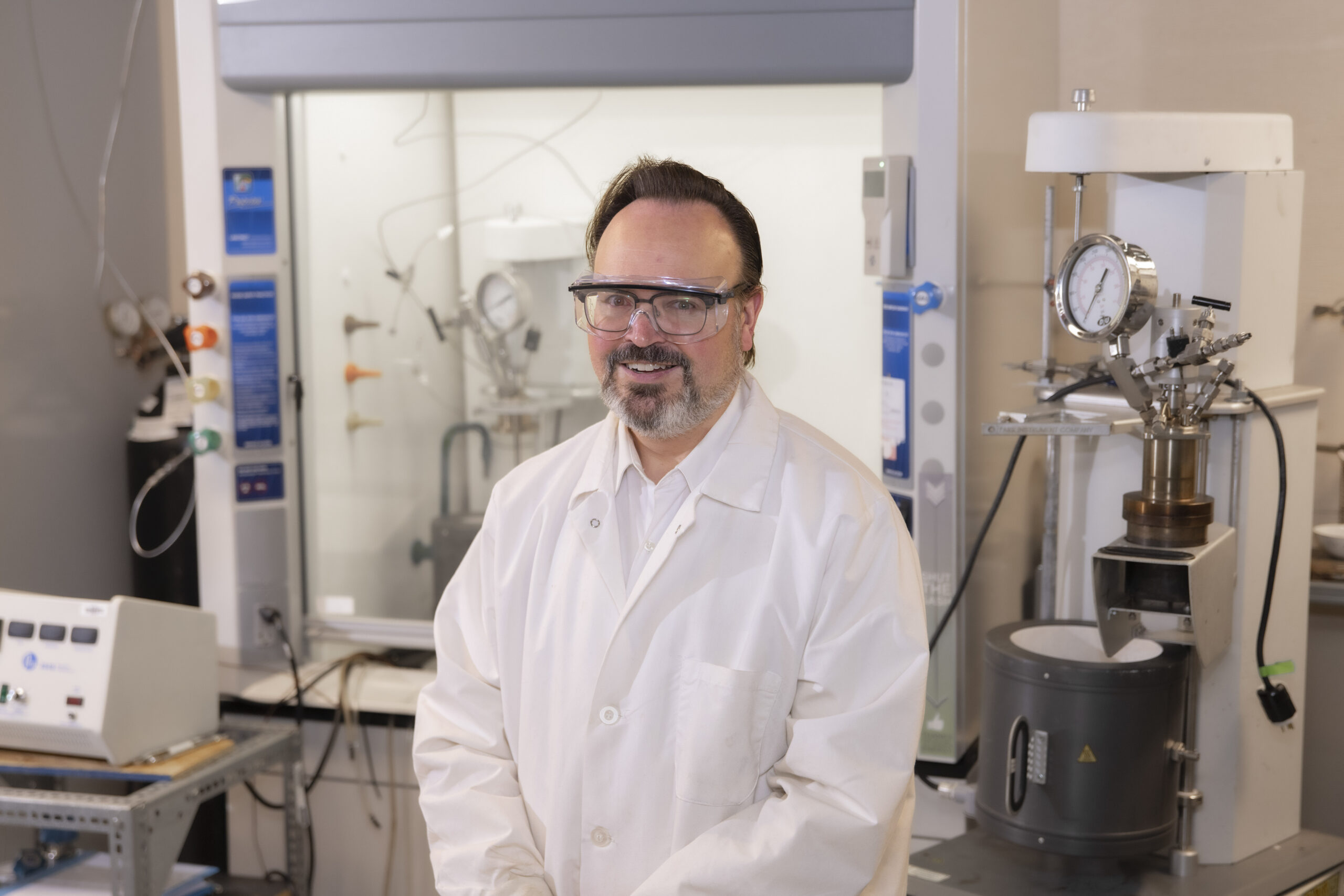
At the center of WPI’s research is a process known as Radical-Initiated Hydrothermal Liquefaction, or RI-HTL. The technology uses heat, pressure and nontoxic chemicals to break the strong carbon-fluorine bonds that make PFAS so difficult to destroy.
Researchers now want to pair that process with plants capable of absorbing PFAS from contaminated soil. After the plants are harvested, the contaminated material would be put through the RI-HTL process, potentially providing a way to both remove the chemicals from soil and permanently destroy them.
The process could have another use for what is left behind. According to WPI, the contaminated plant material can be converted into bio-oil that could serve as a feedstock for sustainable aviation fuel and fuels used in heavy-duty transportation.
“This investment will allow us to establish an advanced analytical laboratory and generate the scientific evidence needed to move this technology closer to commercialization,” Michael Timko, the William B. Smith Professor of chemical engineering at WPI and principal investigator for the project, said in the announcement.
“Ultimately, we hope this work will lead to partnerships with municipalities, environmental agencies, and industry to help address PFAS contamination across Worcester County and throughout Massachusetts,” Timko said.
Part of the $1.5 million will be used to upgrade WPI’s PFAS analytical laboratory with equipment capable of more advanced detection, measurement and analysis. Researchers will simultaneously study how effectively RI-HTL works on plant material containing PFAS, establishing data needed to determine whether the approach can eventually be deployed outside the laboratory.
WPI President Grace Wang said in the announcement that the research could turn an environmental liability into something useful while addressing the contamination itself.
“With this federal support, we are advancing a technology that not only eliminates so-called forever chemicals but also converts contaminated biomass into sustainable fuels, demonstrating how innovation can protect public health, restore contaminated landscapes, and create a more sustainable future,” Wang said.
Warren and Markey also cited the potential implications for communities facing PFAS contamination.
“Massachusetts families shouldn’t have to wonder whether their water is clean and safe to drink,” Warren said in the announcement. “I fought hard to secure funding for the cutting-edge research WPI is leading to clean up these chemicals and protect communities across the commonwealth.”
The work remains in the research stage. But the new federal investment is intended to help answer a critical next question: whether a process that has shown success destroying PFAS in the laboratory can ultimately be scaled into a practical tool for communities dealing with the chemicals in soil and other contaminated materials.
