
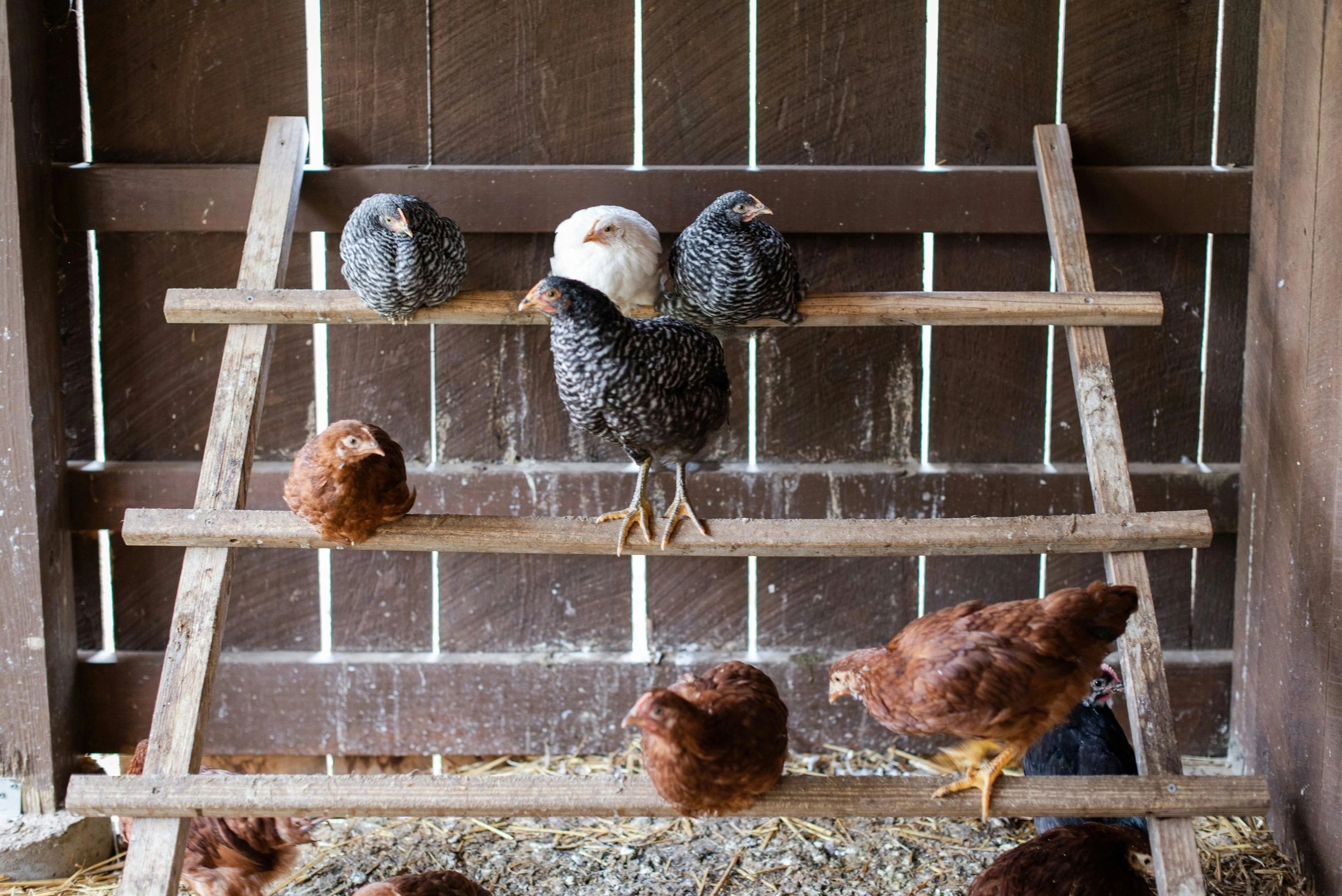
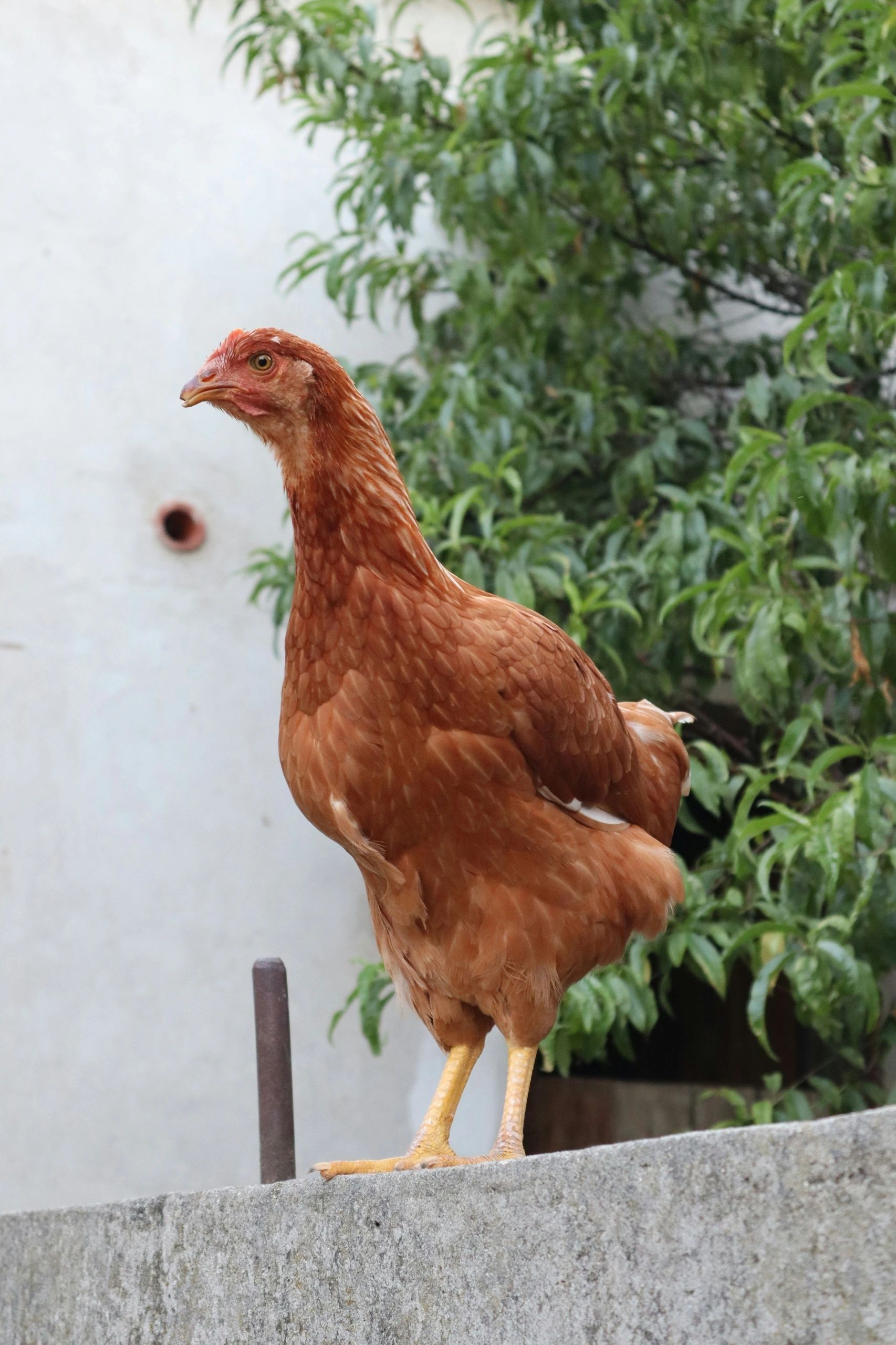
WORCESTER—The debate over backyard chickens in Worcester gained new momentum last month when the planning board unanimously recommended the city council advance a petition that would permit residents to raise egg-laying hens under a revised zoning ordinance.
But at its meeting Tuesday, city council opted instead to bounce the proposal to the Economic Development Committee for further review, citing ongoing concerns about public health, enforcement, and the need for clearer regulations.
The petition, first presented by Worcester resident Joseph Mangiameli on Feb. 25, arrives at a time of continued high egg prices. According to the Consumer Price Index, a dozen large Grade A eggs costs an average of $6.23 in March 2025—more than double the $2.99 average in March 2024. April data is expected May 13.
Mangiameli said the city currently has no ordinance for or against chickens, though complaints from neighbors have historically led to their removal. He acknowledged the issue is layered.
“The zoning ordinance is very complex and there’s many different aspects to it than just the zoning aspect,” he said. “It’d be nice if some staff could be assigned to really look at this issue of having chickens for the sole purpose of laying eggs.”
Resident voices: caution and curiosity
Public feedback has been split. Some residents worry about cost, logistics, and the welfare of the animals.
“Heating my apartment was very expensive last winter, so adding a chicken coop might be an expense I can’t afford,” said Worcester resident Maureen Schwab. “I would want the chickens inspected regularly to avoid any neglect or cruelty. What might start out as a fine idea might end up being too much work. At some point when they stop laying eggs, what do you do?”
Others see it as a return to practical, sustainable living.
“I think it can be done in an urban setting provided the owners are responsible and dedicated to sanitary codes,” said Patricia Hobbs, whose grandparents once kept chickens in the city.
Some residents suggest looking at the bigger picture, pointing to food independence and economic concerns.
“We could provide food for our families and chickens could eat grubs in the yard,” said resident Brendon Monson. “The high cost of eggs and the dependency on large grocery companies to provide food to us as a monopoly isn’t working.”
John Keough echoed that: “Our system of grocery store dominance is not equitable, and the poorest people suffer the most. Allowing food independence and fostering natural entrepreneurship is at the core of what it means to be America.”
Council concerns: health, safety, and enforcement
At-Large Councilor Morris Bergman, one of the more vocal skeptics, flagged several issues: “There’s a number of public health and safety issues, particularly with the avian flu. The chickens also track predators and the predators themselves have inherent health-related concerns.”
He also questioned the city’s capacity to enforce a new ordinance.
“Who’s going to monitor? We have a code department that has probably more significant obligations. There’s going to be complaints coming out if this is allowed that are going to take up time and resources.”
Bergman pointed to urban gardens as a possible middle ground. “Those could be places to try raising the chickens since they’re cared for in a different way than somebody’s traditional backyard.” He also questioned the economics: “Everything I’ve read indicates that if you do it the right way, the actual cost of raising chickens and producing the eggs is equal to or greater than buying them in the store.”
Michelle Smith, citing past city research, added: “Typically rats and odors are the things that come up as concerns and the reasons why this hasn’t moved forward previously.”
What’s next?
Several council members have expressed support, including Vice Chair Khrystian King, District 1’s Jennifer Pacillo, and District 5’s Etel Haxhiaj. But even among supporters, the path forward isn’t fully clear.
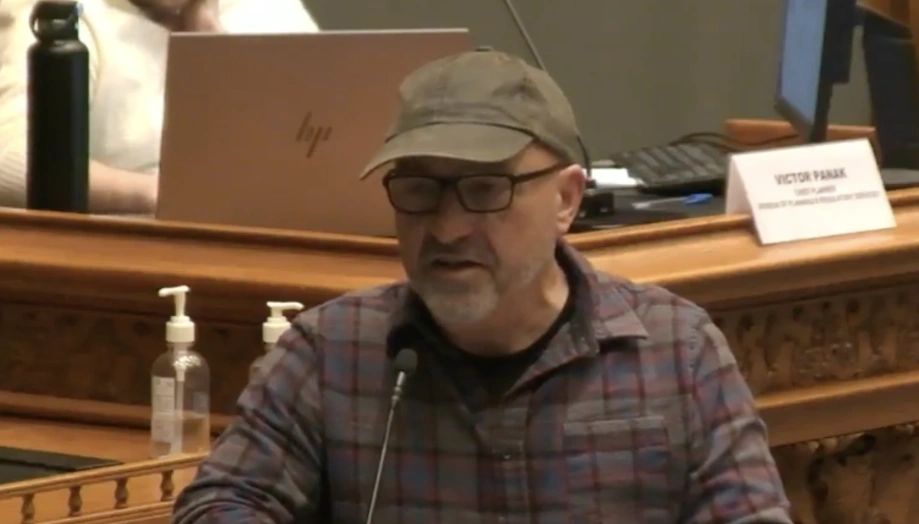
Victor Panak, a planner with the Division of Planning & Regulatory Services, previously said the petition lacks specific language and would require input from other city departments—especially the health department.
The proposal now moves to a public hearing within the Economic Development Committee. That process will allow the public to suggest amendments and help shape what could become Worcester’s first formal backyard chicken ordinance.
Matt Olszewski is a freelance content and news writer based in Boston, MA. In his free time, Matt enjoys running, hiking or skiing. Matt just graduated with his MPH from Tufts University. He can be reached at mattoskier@gmail.com
