
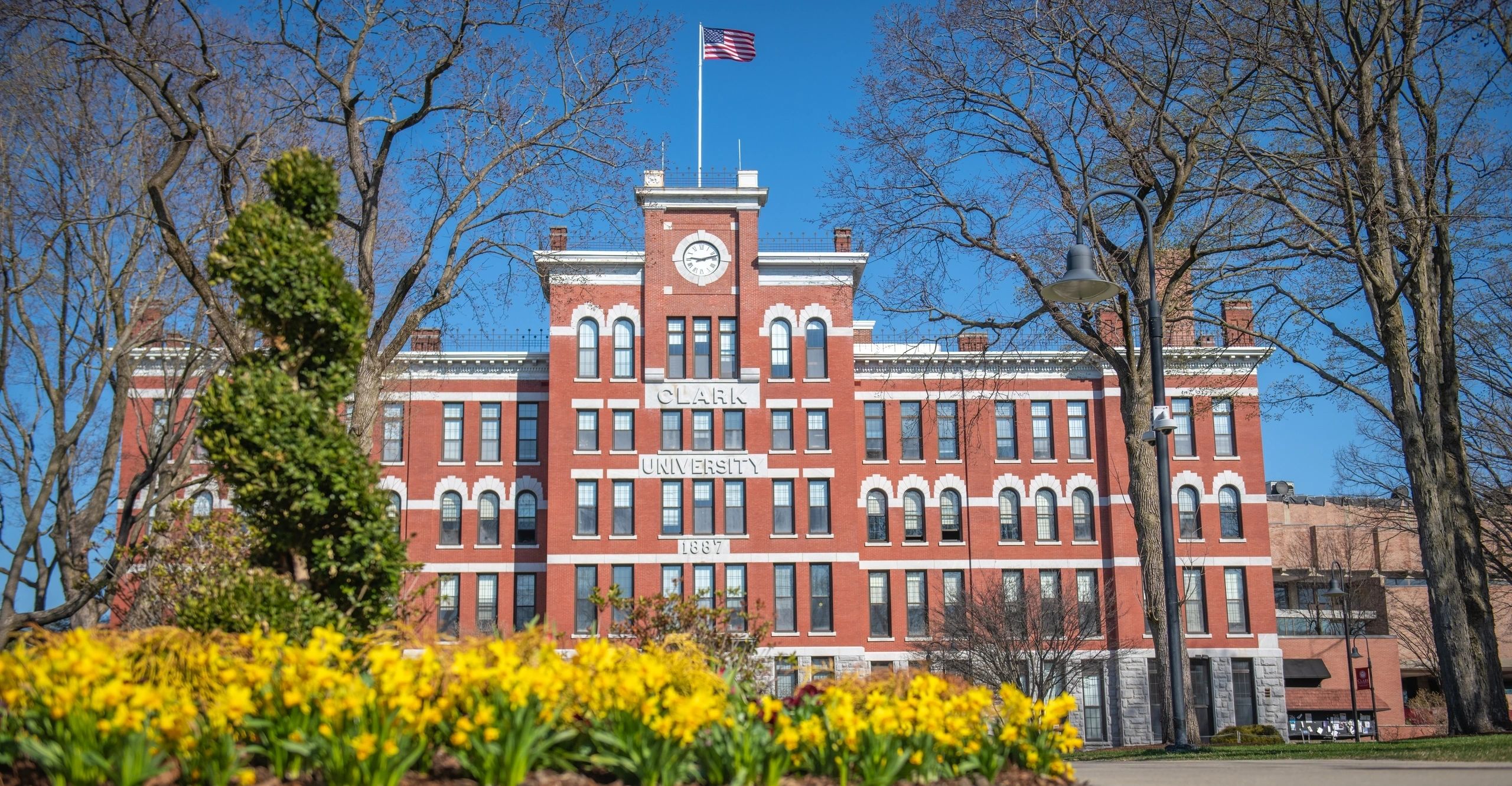
A proposal asking Worcester’s private colleges and universities to invest 0.5% of their endowments into a community impact fund has sparked debate between city officials and local institutions.
Approved by the Worcester City Council for the November ballot, the non-binding initiative will gauge public sentiment on whether these schools should contribute more to the city’s development.
As of the second quarter of 2024, the collective endowments of Worcester’s private colleges total $2.23 billion. By contrast, these institutions currently contribute about $2 million annually through Payment in Lieu of Taxes (PILOT) agreements, and another $1.5 million in real estate taxes for the 2023–24 fiscal year.
The proposed fund would support community-focused development projects.
Not a tax, but an investment
City Manager Eric Batista emphasized that the proposal is not a tax, but rather an investment opportunity. He explained that college contributions could help fund business or residential developments that yield returns.
“This is different than legislation purely taxing an entity, because then there won’t be any return on that investment for that tax,” Batista said. He also noted that most colleges already have PILOT agreements, while two institutions have expressed interest in forming new ones.
Any changes to current agreements would require mutual consent between the colleges and the city.
Mixed reactions and a desire for collaboration
Reactions from Worcester residents have been mixed.
David Jaffe, a Worcester resident who has tried collaborating with district council on a variety of issues in the city, acknowledged the colleges’ existing contributions but voiced a preference for collaboration.
“I do believe the colleges and universities are good neighbors,” Jaffe said, pointing to initiatives like WPI’s pre-collegiate programming, Assumption’s senior education programs, and Holy Cross hosting the Worcester Bravehearts.
Resident Patricia Hobbs noted that students and staff help sustain local businesses. “Their staff and students are consumers at many local businesses and other establishments,” she said.
Worcester resident Maureen Schwab echoed that sentiment, highlighting how the city’s 37,000 college students contribute to the local economy through shopping, dining and volunteering with groups like Pernet.
Colleges defend existing contributions
In a letter to the City Council, the presidents of Worcester’s private colleges defended their institutions’ role in the city, citing $3.8 billion in annual economic activity and $23.6 million in scholarships and grants awarded to Worcester students. They argued these are meaningful investments in the city’s future.
Despite opposing the proposal, the college leaders emphasized their commitment to partnership, collaboration, and accountability.
Calls for cooperation and further public input
Professor Sarah Luria of the College of the Holy Cross called for stronger ties between local institutions and the city.
“I’d love for even more Worcester students to attend Holy Cross and more productive partnerships between the College and Worcester,” Luria said.
City Councilor Jenny Pacillo, a Worcester State and Clark University alumna, acknowledged the colleges’ contributions and stressed the value of public input.
“I know that the colleges are invested in Worcester, and I always appreciate their investment in the Worcester public schools and the Main South neighborhood,” she said.
Councilor George Russell took a more assertive position, saying colleges should not be exempt from additional participation.
“These institutions will be okay,” Russell said. “And yes, they do provide a lot to our community. But at the end of the day, so do the businesses.”
Legal context and future discussions
City Solicitor Alexandra Kalkounis noted that making such payments mandatory would require state legislation. Currently, Worcester has seven active PILOT agreements generating $1.7 million in revenue — 90% of which comes from educational institutions.
While college presidents oppose the proposal, arguing it could hurt students and weaken their ability to serve the community, they also signaled openness to deeper collaboration with the city.
Ultimately, Worcester voters will weigh in this November on whether local colleges should increase their financial support for citywide development.
Matt Olszewski can be reached at mattoskier@gmail.com