
WORCESTER—A new federal policy limiting indirect cost reimbursements for National Institutes of Health (NIH) grants could have major financial consequences for Worcester’s research institutions and economy.
The policy, announced on Feb. 7, 2025, caps payments for indirect costs at 15%, down from the typical 30%. Indirect costs cover essential research infrastructure expenses, such as facility maintenance, utilities, and administrative support.
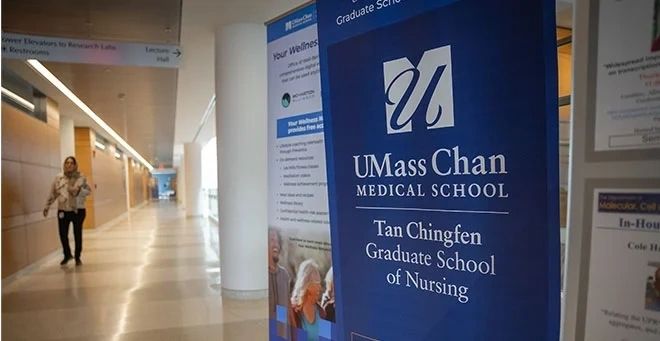
The change aims to save $4 billion annually in taxpayer funds but could result in reduced funding for institutions such as the UMass Chan Medical School, which received $193 million in NIH grants in 2024—roughly 67% of its research funding.
In a statement released on Feb. 9 from UMass Chan Medical School, Chancellor Michael F. Collins described the NIH’s new cap on indirect costs as a “profound and sobering” change that could permanently impact biomedical research.
Collins noted that the 15% cap is roughly one-quarter of what institutions like UMass Chan currently receive, creating significant financial challenges for ongoing and future research.
According to the press release, UMass Chan leadership has been working with legal counsel and has engaged elected officials in both Boston and Washington, D.C., to express concerns about the policy’s substance, timing, and communication. Collins also joined a call with nearly 200 medical school leaders who, he said, shared a “uniformity of belief” that the decision would harm American biomedical research, disrupt clinical trials, and weaken the country’s position as a global leader in innovation.
National advocacy groups, including the Association of American Medical Colleges and Research!America, are mobilizing to challenge the policy, and Collins urged the medical school community to make their voices heard.
- The Worcester Guardian is an independent nonprofit news organization. Support local journalism by making a DONATION today.
The Worcester Guardian reached out to WPI for comment, and a spokesperson responded, “We continue to carefully monitor developments. As always, our focus will continue to be on supporting our community and delivering on our core mission.”
The Worcester Regional Chamber of Commerce is examining the potential effects of the cuts on local businesses and institutions. The chamber has hired economist Dr. Mahesh Ramachandran to assess the impact, with preliminary estimates suggesting UMass Chan could lose between $80-90 million in funding. The broader implications, including potential layoffs or lab closures, remain uncertain, according to experts.
“We are closely monitoring the impact of the federal policy change on our region’s research institutions and economy,” said Timothy P. Murray, president and CEO of the Worcester Regional Chamber of Commerce, in a press release issued on Tuesday. “While we understand the need for fiscal responsibility, we also recognize the critical role that these institutions play in driving innovation and job growth.”
Worcester’s research community includes institutions such as WPI, Microbiotix, Inc., Codomax Inc., College of the Holy Cross, and the International Society of Vaccines, all of which may be affected. The life sciences and medical research sectors are key drivers of Worcester’s economy, and local officials are working to understand how to mitigate the potential fallout.
Massachusetts, along with other states, has filed a lawsuit against the Department of Health and Human Services and the NIH, which may influence the final outcome of the policy. Meanwhile, Worcester leaders continue to push for solutions that protect the city’s research sector and economic stability.
Editor Charlene Arsenault can be reached at carsenault@theworcesterguardian.org