
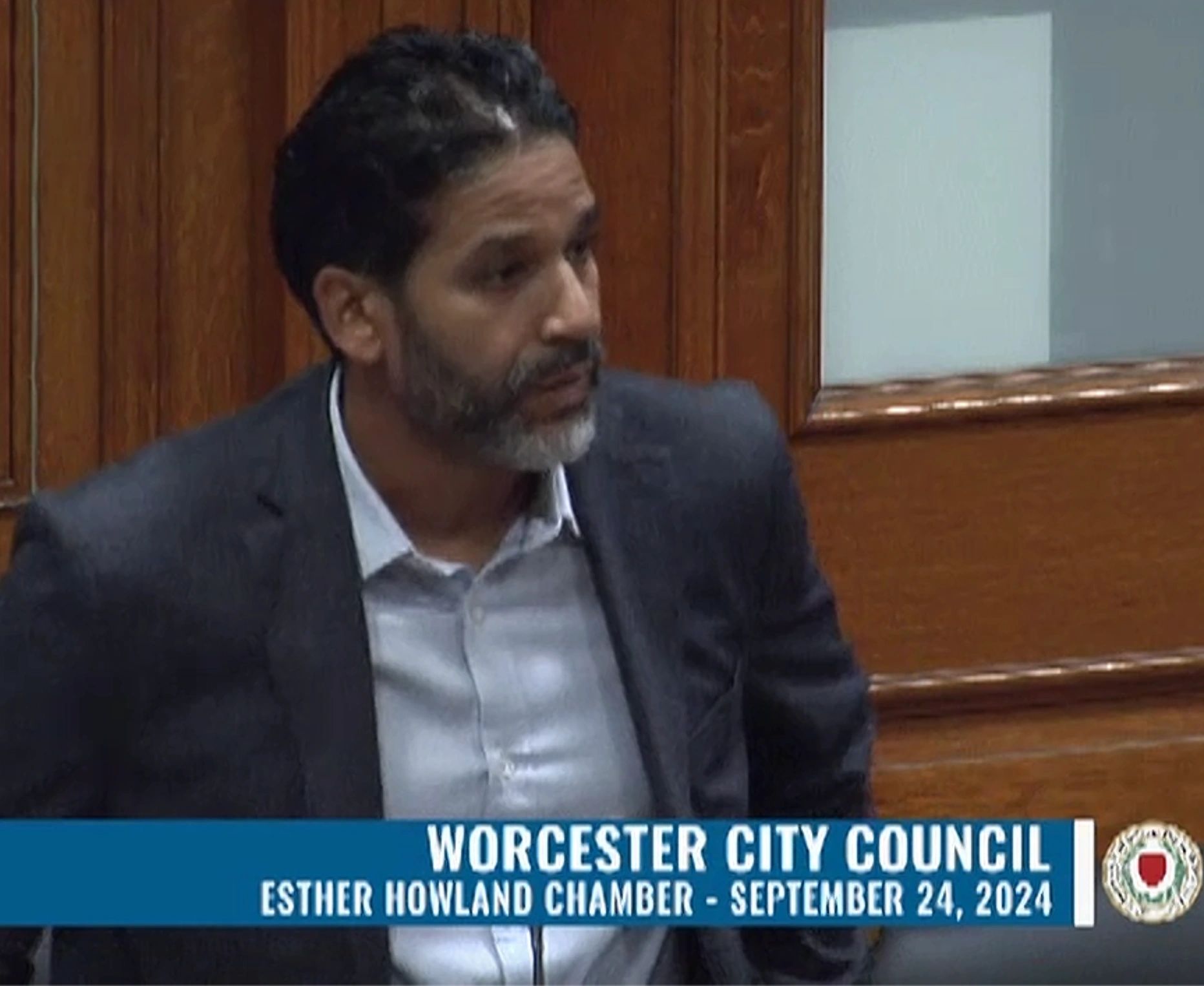
WORCESTER – In a brief but emotional city council meeting on Tuesday night, Worcester officials grappled with two contentious issues that sparked debate and ultimately led to unanimous decisions. The meeting, marked by a range of responses, addressed concerns about the city’s involvement in arts festivals and the expansion of educational institutions.
Item 11a initially proposed city involvement in organizing arts festivals, specifically revitalizing an annual local art and vendor market in the city to celebrate and recognize the talent of the community. The idea comes off the heels of last weekend’s final stART on the Street massively popular event, which also marked its 20th anniversary celebration.
However, this suggestion was met with strong opposition from both residents and council members. Adam Filker, a Worcester resident, voiced his concerns, stating, “Leave it to the artists. Nobody in this room knows enough about running an arts festival and it’s better when it’s private people. This is not something the government should be involved in.”
Mayor Joe Petty agreed with this sentiment, saying, “We should leave it up to the arts community, which also includes the Arts Culture Commission.” Petty then proposed an amendment to the item, suggesting a more collaborative approach.
“It would be good for the city manager to meet with his team,” he said, “and the arts council to talk about this at least privately at first. They can hopefully really go over with some of the issues we face.”
The amendment, which called for the city manager to meet with various event organizers to discuss challenges and successes, was unanimously adopted by the council after several comments from councilors.
Councilor and Chairman Khrystian King took the opportunity to address the controversy surrounding stART on the Street. “I’m sorry for what they’ve experienced as it relates to this order,” he said. “I can’t tell you the amount of folks that have received this and felt it was utterly disrespectful and dismissive of that group.”
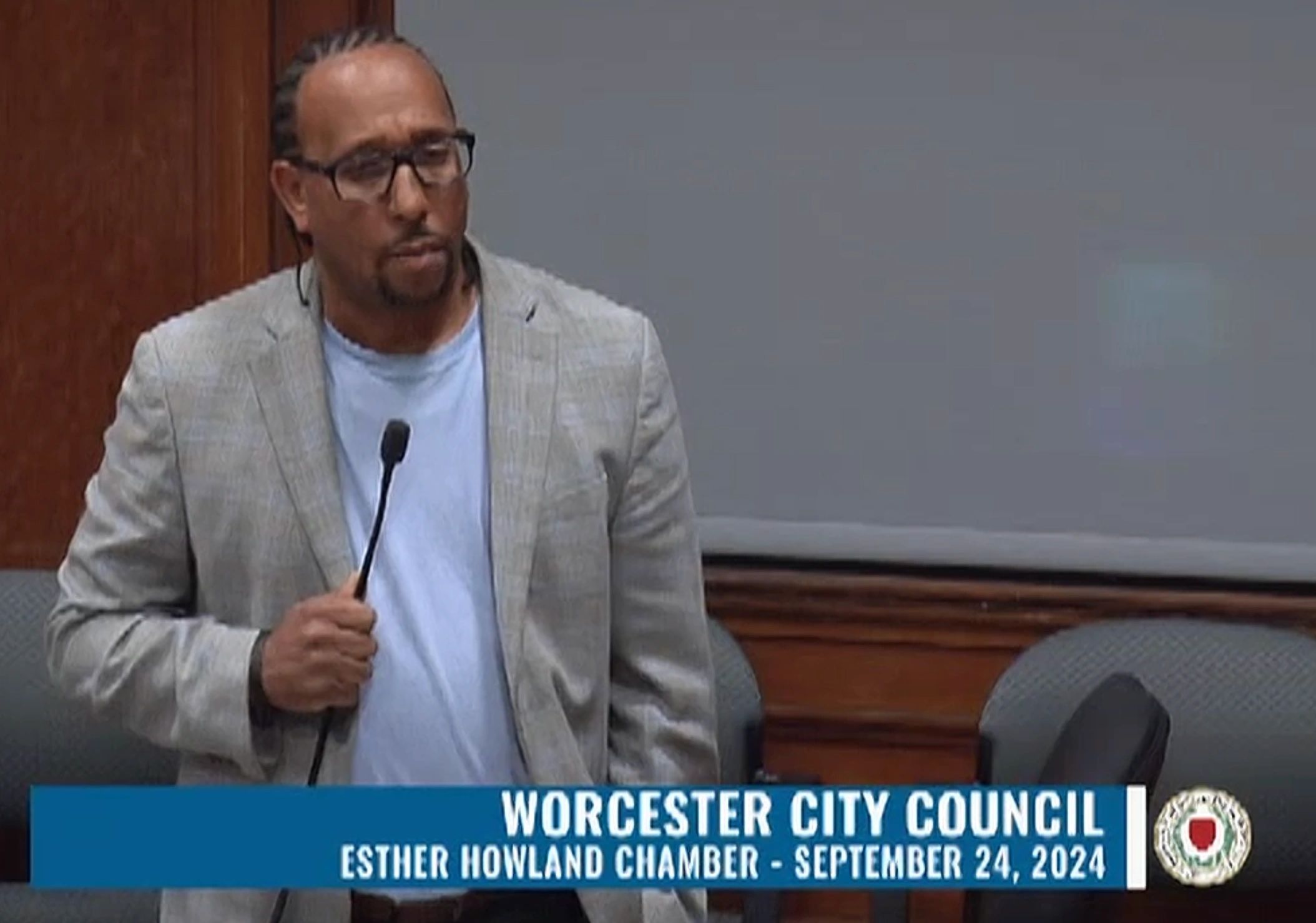
King highlighted the financial burdens faced by event organizers, noting, “We know that the amount of money they have to spend on security and permits [for that event] is close to $20,000 or so.” He suggested reviewing these fees, adding, “If it’s such a benefit to this city, there’s got to be some way to wage some of that stuff.”
“It’s sad to see that it brings so much culture and that we’re going to lose that. And that’s my concern,” said District 4 Councilor Luis Ojeda. “I was there two weeks ago and noticed that a lot of people came from parts of Europe. It goes to show that we have so much culture in Worcester.”
King added that it is disheartening that there are barriers to holding such an event.
“For me, what’s particularly striking is that by appearance, stART always gave the impression that they were fully in sync with the city if you were just watching,” said King. “It is run so well and there’s such a commitment and a passion.”
The second major item of the night, 11c, proposed the implementation of an institutional zoning ordinance requiring colleges, universities, and hospitals to file ten-year master plans with the city. This item, brought forward by Councilor Candy Mero-Carlson, was a direct response to recent controversy surrounding Worcester Polytechnic Institute’s acquisition of two major hotels in the city, and its plan to convert them into dorms.
Mero-Carlson explained, “An institutional master plan will describe an institution’s existing facilities, long range planning goals and proposed projects, potential impacts on surrounding communities, and an outline of proposed community benefits.” She emphasized that this wasn’t about hindering growth, but rather about fostering transparency and collaboration.
“Boston has one and it’s worked extremely well for them,” she added. “Boston created the institutional master plan to ensure that the expansion of hospitals and universities enhance the institution’s public service and economic development role in surrounding communities,” Mero-Carlson added.
Councilor King again voiced concerns about the expansion of universities into residential areas, stating, “We want folks to do our fair share in the city of Worcester. To see these universities expand outwards into our neighborhood and taking things off the tax rolls is a bit disturbing when we already have a housing crisis.”
Councilor-at-Large Morris Bergman supported the measure, saying, “With the recent WPI purchases of the hotels, this is something well worth looking into. It may not solve all our questions or problems, but this is a step in the right direction.”
“This gives us a tool for the city manager and for the council to know what’s happening with any expansion that’s taking place within the city,” Mero-Carlson added.
The council unanimously voted to adopt item 11c, requesting the city manager to provide draft language for the proposed ordinance within 30 days.
Matt Olszewski is a freelance content and news writer based in Boston, MA. In his free time, Matt enjoys running, hiking or skiing. Matt is currently finishing up the MPH degree program at Tufts University. He can be reached at mattoskier@gmail.com
As the Worcester Guardian marks nearly a year of delivering free, independent digital news to our city, our dedication to this mission strengthens. Please consider a tax-deductible donation to support our ongoing commitment to providing hyperlocal news coverage to Worcester. Scroll to the bottom of our home page to sign up for our daily newsletter
