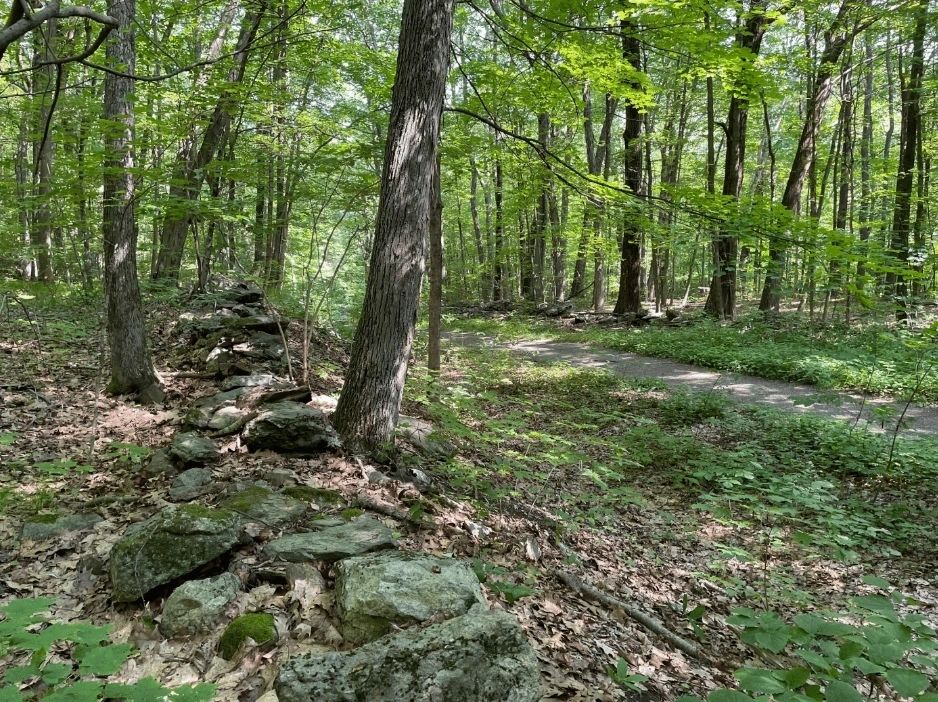
WORCESTER—The city recently conducted an urban tree canopy assessment, a detailed analysis that measures and evaluates the extent of tree cover in urban areas, specifically focusing on properties managed by the Conservation Commission. Funded by the DCR Urban and Community Forestry Challenge grant program, this assessment aims to establish baseline data and develop targeted management recommendations for those sites.
“The overarching purpose of this project was to get some good baseline information,” said Moriah Day, a project manager at Davey Research Group. “It gave us a snapshot in time about what’s going on in conservation commission properties across the city of Worcester. Some have good documentation, and some have very little.”
The city applied for this grant in fall 2022 and is currently working with Davey Research Group. The grant was also partially funded through the United States Forest Service, offered and administered through the Massachusetts Urban and Community Forestry Grant Program, and also funded partially by the city of Worcester.
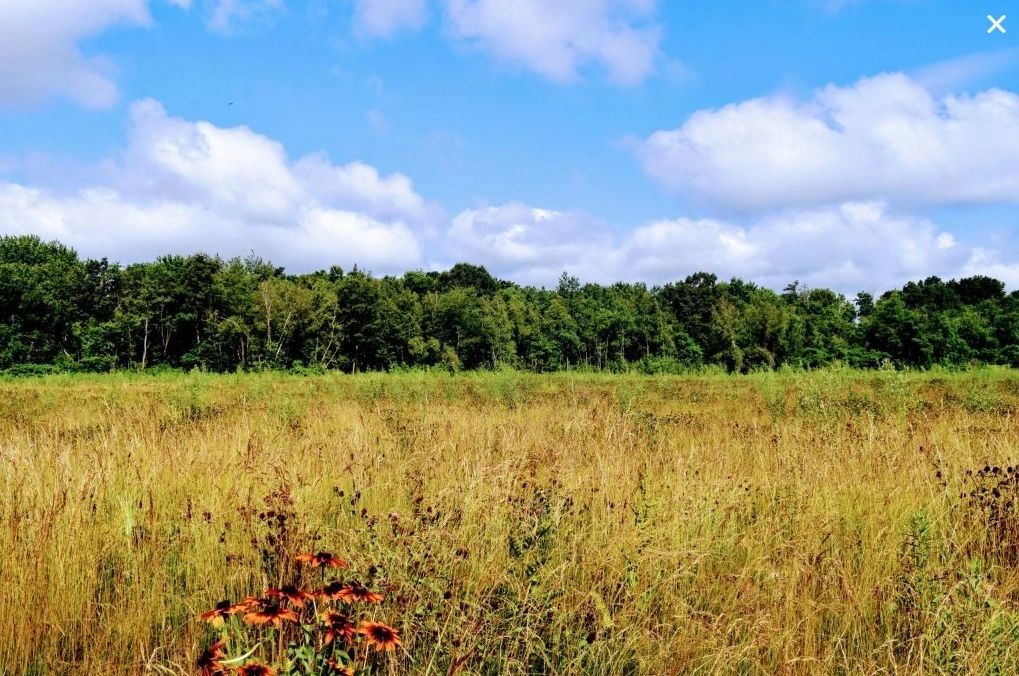
“There’s never been any type of canopy assessment for these properties,” Day said, emphasizing the novelty of this particular assessment in the area. “The hope was to bring in an idea of what conditions are like right now so that they can be compared in the future and generate some recommendations for how to maintain and improve specific properties.”
The urban tree canopy assessment uses remote sensing to examine tree canopy in urban areas. The project focuses on analyzing three key elements: canopy cover, canopy health, and the benefits provided by the canopy.
“For properties like Patch Reservoir where there’s a large body of water,” Day clarified, “that body of water is included in the total property acres, so canopy coverage looks low on a couple of those types of properties.”
The assessment reveals that Cascades East, God’s Acre, and Perkins Farm have canopy coverage near 100 percent, while Patch Reservoir has a much lower canopy cover. Generally, lots of land was found to have high canopy cover, with most properties in Worcester having about 85 percent of the canopy in fair or better condition.
Citing many environmental benefits, Day added, “For all conservation commission properties in Worcester put together, the annual air quality benefits involve around 51,000 pounds of airborne pollutant material, valued at around $11,480 mostly due to mitigated health outcomes.”
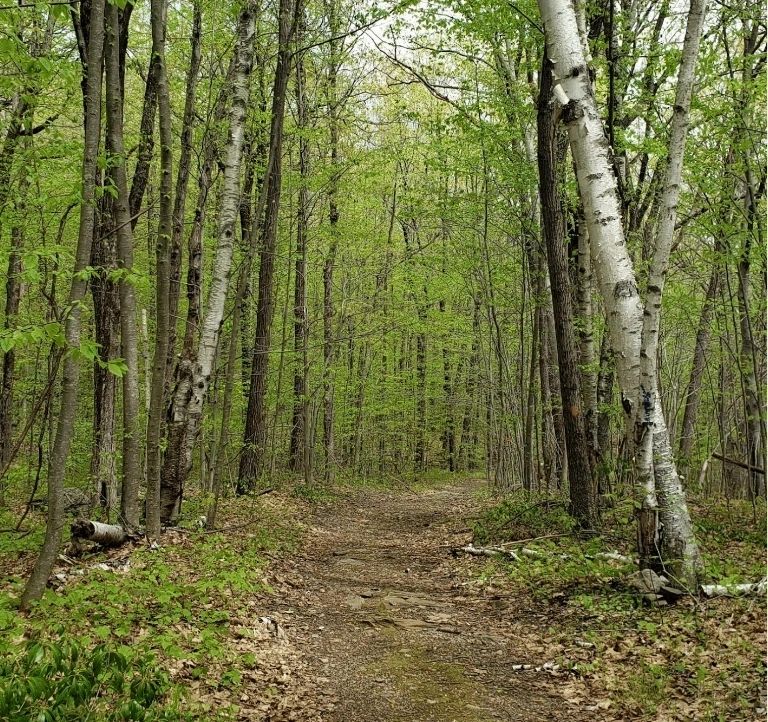
In addition, the properties were found to divert about 950,000 gallons of stormwater runoff annually, valued at around $8,491. Also, nearly 800 tons of carbon are sequestered by forests on these properties, valued at $136,000, with an estimated 24,171 tons of carbon stored in these trees, valued at around $4,122,341.
“These results are neat and there’s a lot you can do with them,” Day said, “but there are some gaps that you have to be out in the field to observe and look at conditions on the ground. For example, it can’t really tell you where there might be pockets of dead or dying trees.”
Assessors in the field actively observed forest structure and health, pests, diseases, invasive species, unique features, amenities, encroachment, property users, water resources and quality, and hazards. They frequently encountered invasive species such as red pine scale, emerald ash borer, beech leaf disease, spongy moth, Japanese knotweed, Japanese barberry, and Oriental bittersweet.
“The presence of invasive species and pests and their respective threat levels fluctuate over time,” said Eric Flint, conservation planner. “It is important to focus on all of them when we’re looking to protect the ecological integrity of Worcester’s natural systems. It’s impossible to pick just one, there are so many that are a nuisance.”
Day emphasized that assessors spotted recruitment from seed or sucker into the canopy, which is essential to keep the forest persisting on the landscape long term.
Recommendations from the project include improving boundary signage, updating trail maps, addressing issues of dumping, encroachment, and invasive species, and the preservation of rare habitats. Day emphasized that managing invasive species is the most important aspect of forest health and structure.
As for long-term goals, John Odell, the chief of the Department of Sustainability and Resilience, had previously outlined The Green Worcester Plan (GWP) which states that “planting trees to expand the city’s tree canopy is among the most effective sustainability and climate change adaptation actions that a city can take.”
“Prior to this project, we had very limited information regarding the ecological condition of many properties and where we had information it was often decades old,” said Flint. “Now, with more detailed documentation for eight of our properties, we have an actionable list of management recommendations that we can use to help us proactively manage hundreds of acres of property.” With these well-defined management strategies, the city will better be able to apply for grants and more effectively advocate for the resources we need to implement these strategies.
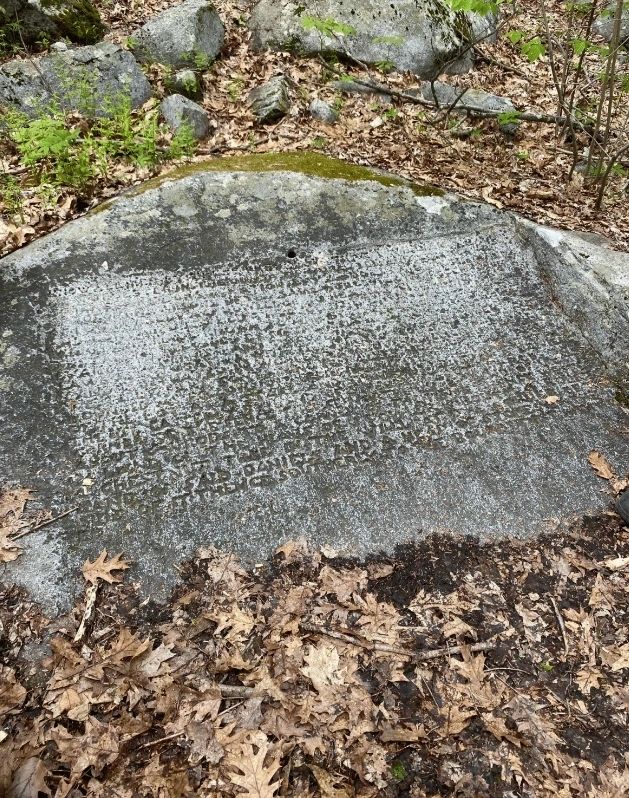
The city’s goal is to be home to a healthy urban forest for everyone by 2040, including an “equitable distribution of climate-resilient trees, a growing canopy shading heat islands, and cooling corridors that connect neighborhoods.” Specifically, the city wants to increase the total tree canopy so 50 percent of the city, on average, is shaded. This could and should be achieved by planting 40,000 or more new trees by 2050.
“While we have lots on our to-do list, we still very much need the help of community volunteers,” said Michelle Smith, assistant chief development officer. “Community members who want to get involved can apply to join the Conservation Commission (or another board/commission), get involved with volunteer opportunities to further this work, or share their stories and photos from their time enjoying these gorgeous natural areas in our city.”
Smith urges community members to email the Conservation Commission at planning@worcesterma.gov to share a story about favorite conservation areas or to find out more about opportunities to get involved.
Matt Olszewski is a freelance content and news writer based in Boston, MA. In his free time, Matt enjoys running, hiking or skiing. Matt graduated with his MPH from Tufts University. He can be reached at mattoskier@gmail.com
As the Worcester Guardian marks nearly a year of delivering free, independent digital news to our city, our dedication to this mission strengthens. Please consider a tax-deductible donation to support our ongoing commitment to providing hyperlocal news coverage to Worcester. Scroll to the bottom of our home page to sign up for our daily newsletter