
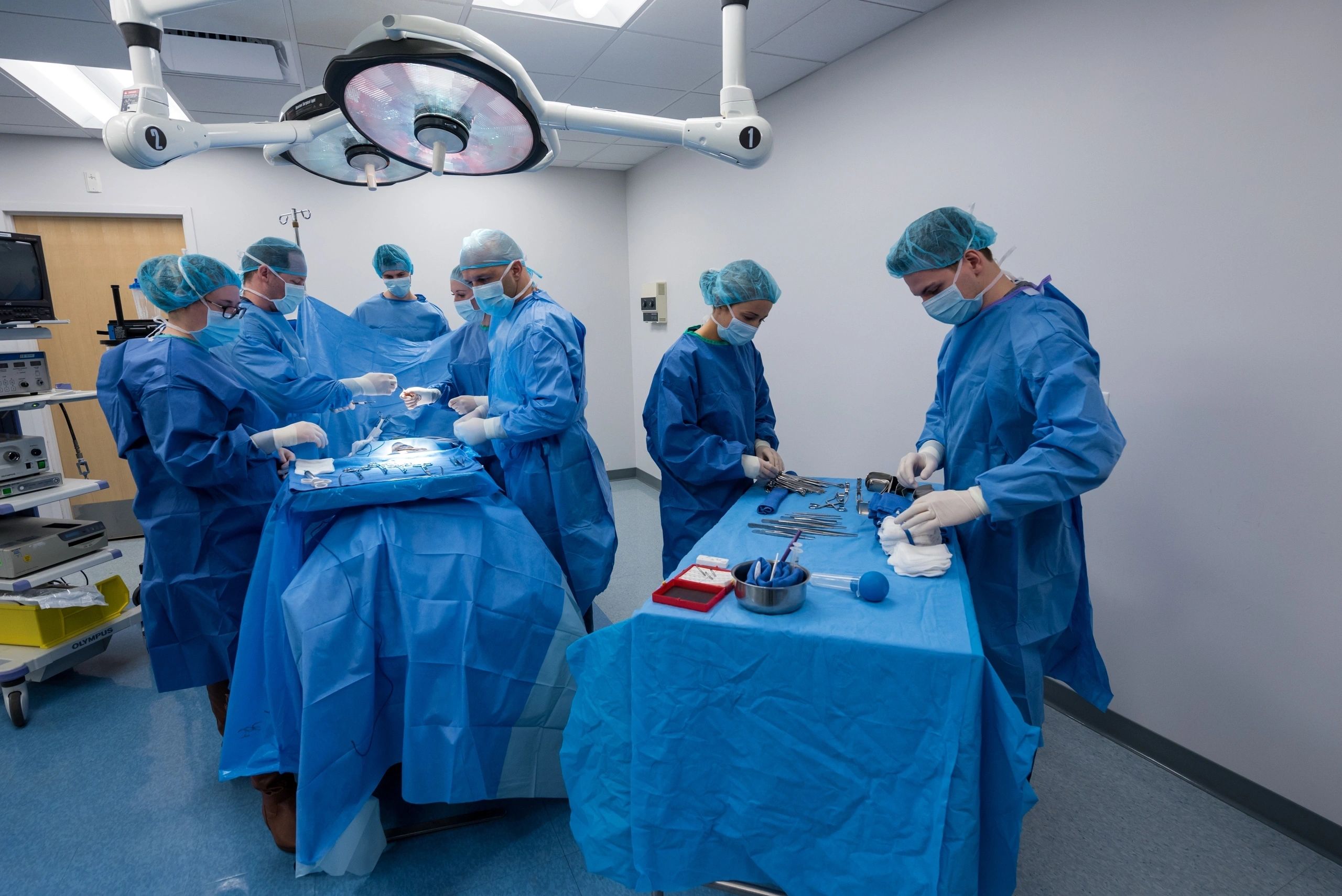
WORCESTER—Quinsigamond Community College is set to upgrade its nursing assistant (CNA) certificate program and surgical technology associate degree program with industry-standard lab equipment thanks to a $171,016 grant received through the Massachusetts Skills Capital Grant Program earlier this month.
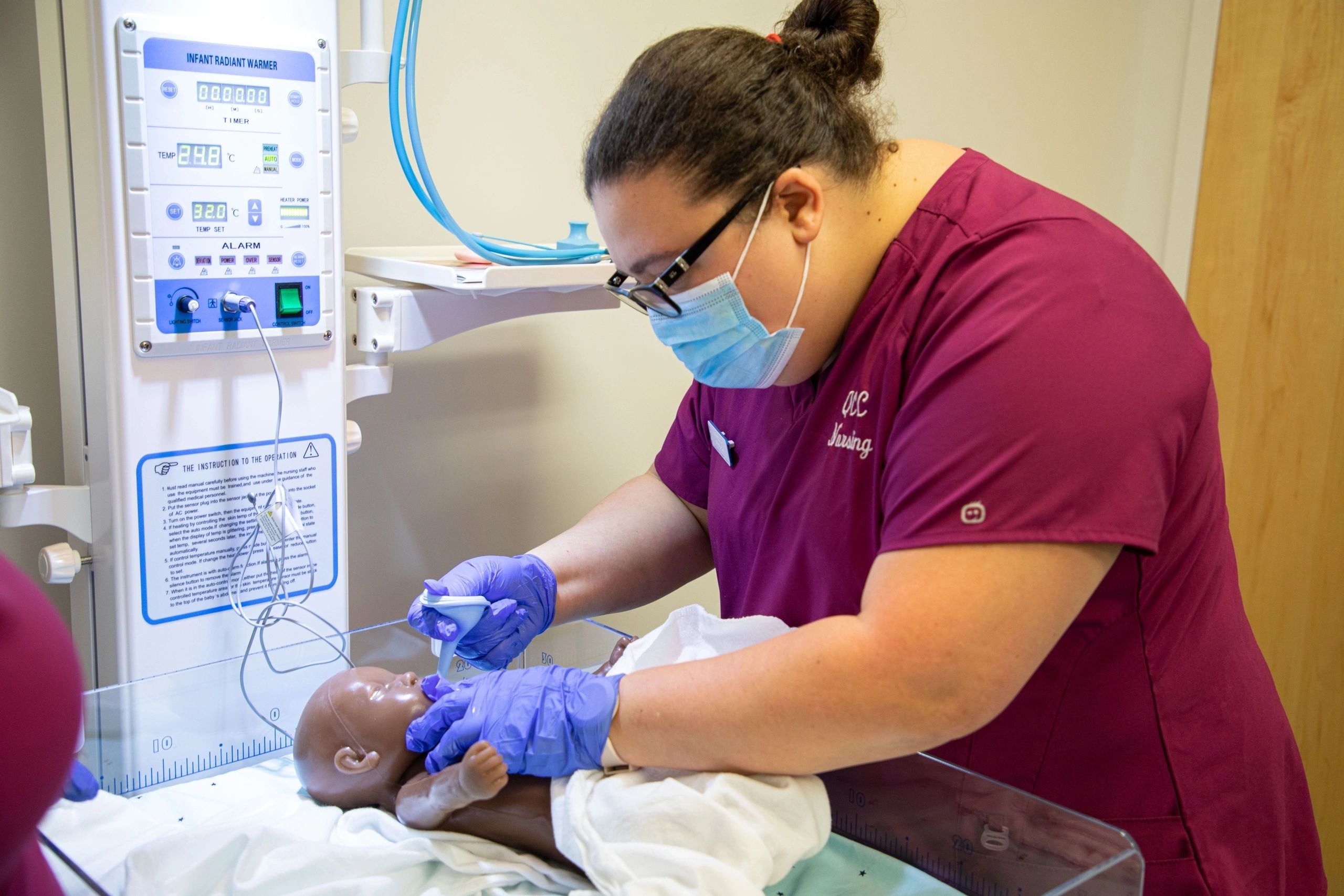
The funds allow QCC to replace a variety of equipment: electrical beds, vital sign machines, headwalls, and manikins for its nursing assistant labs. QCC also plans to add a full surgical setup, including a surgical table, camera, laparoscopic mocks kit used in its surgical technology program.
The award enables QCC to expand its CNA program that currently enrolls about 140 students per year, according to a recent press release from QCC.
“Our goal is always to create an environment in our lab that would mirror the environment of a clinical setting,” said Shanan Stratis, assistant dean of the school of healthcare.
Stratis said that in order to improve student learning, they had to improve their equipment. She cited aging equipment as the reason behind obtaining the grant.
“As a graduate from the QCC program in 2014, there has been a lot more upgraded instrumentation,” said Diana Gordon, program coordinator and assistant professor of the surgical technology program.
Before the upgrades, there was only one mock operating room (OR), and now there are two ORs. Given this, the lab and updated equipment allows students to demonstrate safe practice techniques in a simulation setting that closely mirrors real-world medical settings.
This grant is part of a broader effort by the state to support vocational and technical training programs that align with current industry standards and meet workforce demands.
“To be able to have funding to provide the technology and stay up to date with the technology changes is very helpful,” added Gordon.
QCC students have also expressed appreciation for the organized and clean labs where they can learn and apply their knowledge.
“I’ve improved a lot in my anticipation and really just thinking before you do something. And for this profession, you need to be on your game,” said Madison Mercedes, a student of the surgical technology associate degree program.
“I’ve definitely learned to take a step back, because at the end of the day, the patient is what comes first,” she added.
As for the recent equipment for the programs specifically, there is a lapse sim machine in the lab that allows students to get that hand eye coordination, learn how to use the laparoscopic instruments, and build their skills on how to do a procedure. The students start small, gradually building up as their skills and experience improve.

“Next semester we’re going to be using endoscopic simulation equipment in a surgical setting, which is not cheap,” said Mercedes. “I feel like not every classroom setting has that, and to have something to practice on and see what that is like in a real hospital setting is very helpful.”
Gordon outlined the importance of the learning journey for students.
“Madison [Mercedes] didn’t recognize her strength of folding a drape and folding her gown. When she came into the program, she had no idea how to fold these items, and because we rely on refolding for the practice, she is now proficient.”
Gordon emphasized that a student like Mercedes is poised to excel in the field, given that she improved immensely at this skill from start to finish.
“Students come back for their second year and you can see their confidence,” Stratis said. “They are moving differently and they’re moving as a group and a team. That’s really important, because when they go out for their clinical experience their last semester, they spend the whole semester in the OR and they’re a vital part of the team.”
Looking ahead, QCC plans to continue investing in its healthcare programs to ensure they remain at the forefront of vocational education. The college’s commitment to providing high-quality training for its students is expected to have a lasting positive impact on the local healthcare industry.
