
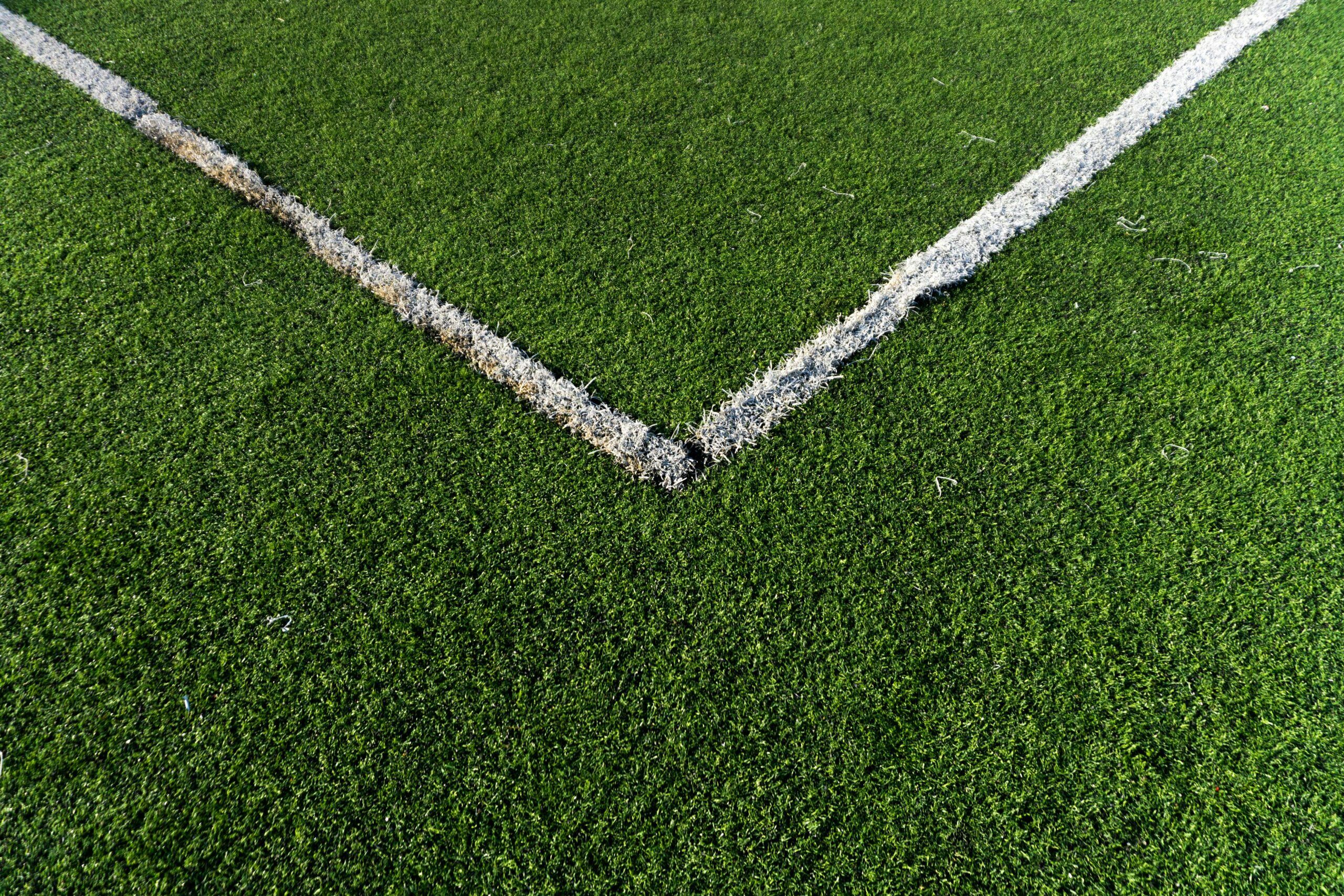
The debate over artificial turf versus natural grass surfaced again Thursday night as Worcester School Committee members voted to delay filing a report tied to future athletic field projects until additional safety and environmental data can be reviewed.
The discussion stemmed from a report presented earlier this week to the district’s Standing Committee on Operations and Governance, where administrators outlined a recommendation from the Artificial Turf Committee supporting the use of a turf field at Doherty High School instead of natural grass.
The report cited several reasons for the recommendation, including the turf’s purported lack of PFAS materials, along with durability, reduced maintenance demands and environmental benefits.
Although the report was approved unanimously by Operations and Governance on May 4, the full school committee voted Thursday to hold the item for further discussion and additional data review before formally filing it. Committee members Dianna Biancheria, Alex Guardiola and Kathleen Roy opposed the motion, but a majority supported the delay.
The vote does not affect the planned field project at Doherty High School, but it prevents the report from being finalized until more information is provided.
The broader debate over artificial turf versus natural grass has become increasingly prominent nationwide, with advocates and critics on both sides citing concerns about safety, cost, maintenance, environmental impact and athlete injuries.
Committee member Sue Mailman, who made the motion to hold the report, said concerns surrounding artificial turf continue to grow.
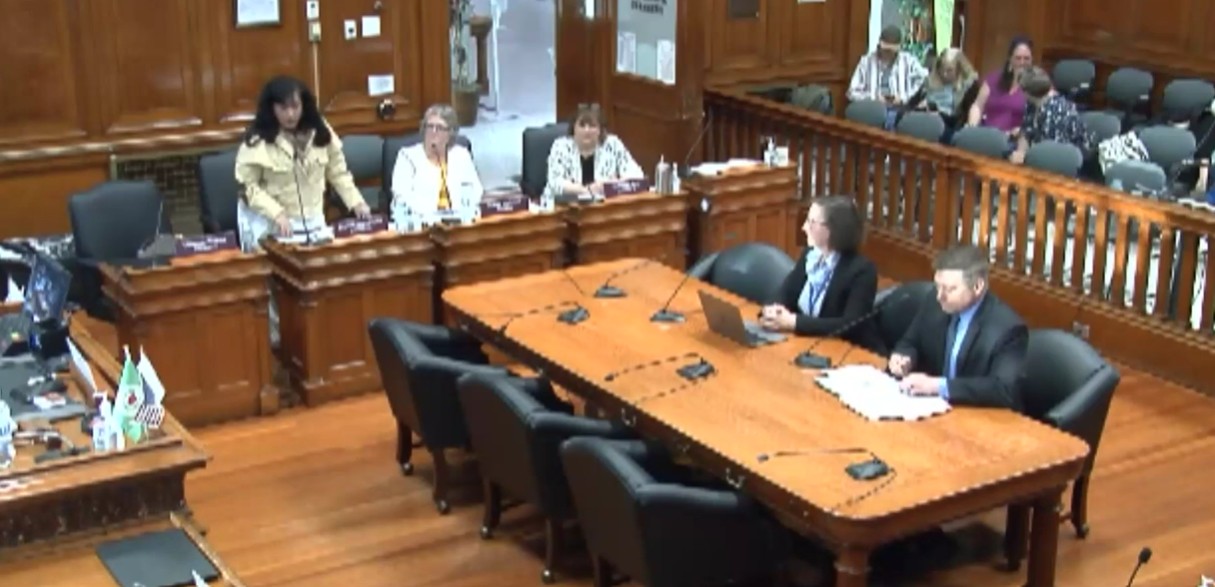
“I understand everybody’s objective to get kids on the field fast, but we must do it safely,” Mailman said. “Although I’ve heard about divots on grass, the data is overwhelming that there are more injuries on turf fields.”
Committee member Jermaine Johnson agreed the discussion was important, but said deteriorating natural grass fields can also pose safety issues for athletes.
“We shouldn’t put them out there on a playing surface that isn’t safe,” Johnson said. “I’m not telling you turf fields are the safest thing. It’s something that people went to a long time ago. We talk about the health benefits and we can get the reports back and we could have all these conversations, which I’m willing to do, but from someone whose been involved in it and seen it for twelve or thirteen years, there are injuries on the grass fields just as there are injuries on turf fields.”
The conversation also touched on proposed legislation at the state level concerning artificial turf fields, as well as questions about how districts determine which turf products are considered safe.
Superintendent Brian Allen said the next major field replacement projects are likely to involve Burncoat High School and General Foley Stadium, though neither project is expected to move forward in the immediate future—potentially allowing time for additional testing and updated product data to emerge.
