
Some of Worcester’s youngest students are going to be able to travel the musical world without leaving their classrooms.
The Worcester School Committee unanimously accepted a donation at its meeting on Aug. 13 from Carnegie Hall’s Musical Explorers Digital program, providing Worcester Public Schools with currilulum materials, professional development and digital resources designed to introduce students in kindergarten through second grade to music from different genres and cultures.
The program uses listening, singing and movement to build fundamental music skills while exposing children to artists and musical traditions from around the world. Carnegie Hall’s digital curriculum includes lesson plans and professional development resources for educators, with programs built around songs performed by three featured artists and culminating in an interactive concert experience.
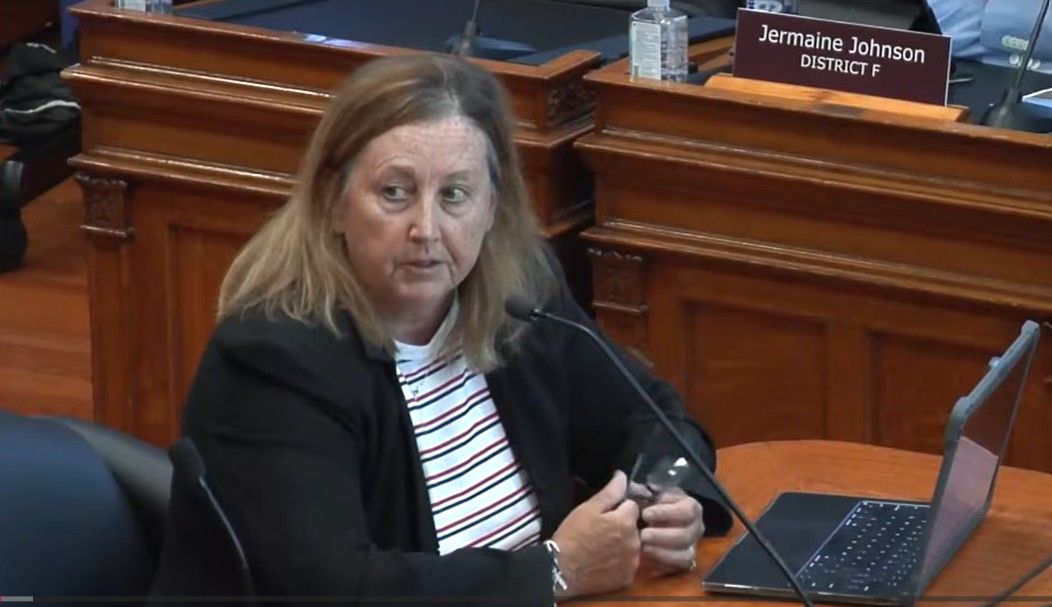
Although the donation appeared among several relatively routine items before the committee Thursday, school committee member Sue Mailman used the discussion to ask how technology is incorporated into the program and whether students interact directly with its digital components.
Deputy Superintendent Marie Morse said Musical Explorers is not new to Worcester schools and is intended as an additional resource for educators rather than a replacement for the district’s existing music curriculum.
“The Carnegie program has been longstanding,” Morse said. “We’ve been working with the program for quite a while. It provides professional development for teachers who volunteer to participate.”
Morse said the program also gives students opportunities to experience different performers in the classroom.
“It does not supplant the curriculum. It is a complement to the curriculum. It is a resource for teachers,” Morse said.
While Carnegie Hall designed Musical Explorers for students in kindergarten through second grade, Worcester educators have also found uses for the materials with older elementary students.
Lisa Leach, performing arts curriculum specialist for the Worcester Public Schools, told the Worcester Guardian that the program’s music literacy content aligns with district standards for grades 3 through 6 as well.
“The Carnegie Music Explorers program is a high-quality instructional asset for our music curriculum,” Leach said. “While designed for grades K–2, its rigorous music literacy demands align perfectly with our grades 3–6 standards. Teachers rely on these resources to build content mastery, deliver interactive lessons, and guide 6th-grade world music research projects.”
One example has already played out in fourth-grade music classrooms, where students used Musical Explorers materials to study Cumbia, a musical tradition with roots in Colombia.
According to Leach, students alternated live instruction with Carnegie Hall’s multimedia materials as they learned to read and play complex percussion rhythms, analyze musical forms and sing “El Pescador.” The lesson culminated with students performing along via video with one of the program’s featured artists, Gregorio Uribe, and his band.
For some students, Leach said, seeing an artist who shared their cultural background gave the lesson a more personal connection.
Leach said access to artists with expertise in musical traditions from around the world is one of the program’s major benefits. It also gives teachers access to licensed audio and video material that could otherwise be costly or difficult for individual educators to obtain because of copyright restrictions.
The resources are made available to Worcester teachers through the district’s curriculum maps. WPS has not previously tracked which teachers use Musical Explorers or how extensively the materials are being used, according to Leach, but the district plans to begin doing so with receipt of the grant.
Mailman’s questions came amid broader school committee discussions in recent months about technology used in classrooms and the information collected through digital educational programs.
In the case of Musical Explorers, Morse said students are not asked to submit information through the program.
“Regarding the data that’s collected is basically an agreement for the teachers that agree to give feedback on whether they liked the program or they did not,” Morse said. “So there is no student-facing data, and there’s no dashboard that students are engaging with.”
Leach similarly said the Musical Explorers resource is a website that requires no login or sharing of student information.
Carnegie Hall makes Musical Explorers available to educators nationally and internationally. According to the program’s website, each digital program consists of six lessons centered on two songs from each of three artists, introducing students to different musical genres and cultural traditions.
The committee unanimously approved the donation.
Members also accepted several other donations to the district Thursday, including 953 Amplify Science Student Investigation Notebooks and additional print materials from Prospect Hill Academy Charter School for students in grades 1 through 4.
The Blackstone Watershed Collaborative donated forest management tools, supplies and equipment for students in Worcester Technical High School’s Environmental Technology program.
The committee also accepted donated space at 220 Barber Ave. from Chacharone Properties to provide the district with temporary warehouse capacity.