
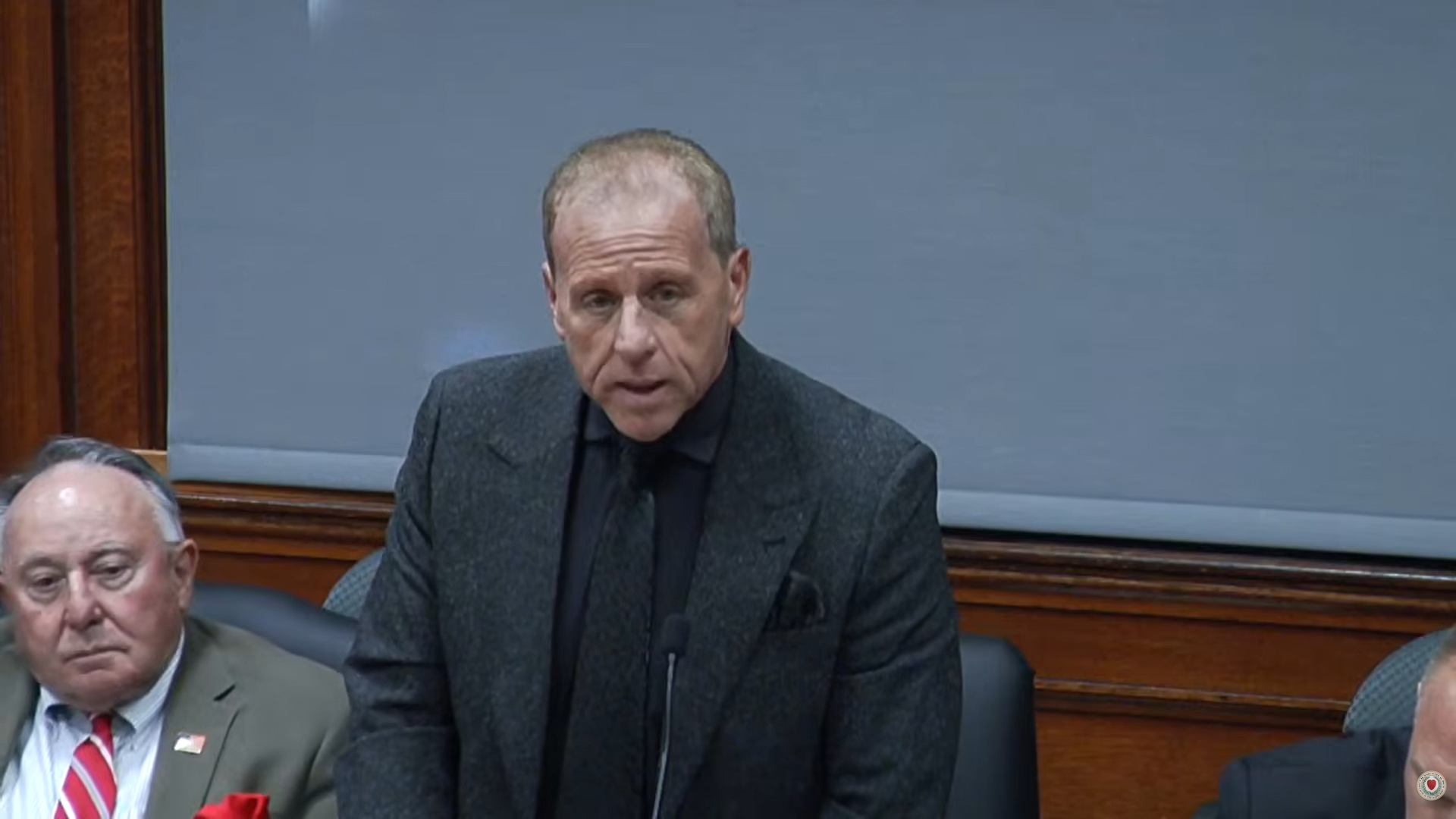
In a closely divided vote Tuesday night, the Worcester City Council adopted new property tax rates that minimize the increase for homeowners while shifting a greater share of the tax burden onto businesses.
The decision, which passed 6-5, sets the fiscal 2027 residential tax rate at $12.87 per $1,000 of assessed value and the commercial rate at $28.35. According to the city’s tax classification documents, the average single-family home will see an annual property tax increase of $62, or 1.14%, bringing its bill to $5,508. The average commercial property tax bill will increase by $3,522, or 9.37%, to $41,125. Both figures exclude Community Preservation Act surcharges.
In a separate, nearly unanimous vote, councilors agreed to dedicate approximately $3.5 million in additional tax revenue to the New High School Construction Stabilization Fund, setting aside money for the reconstruction of Burncoat High and Middle schools.
The two decisions followed a debate over how best to balance immediate relief for taxpayers, the city’s long-term economic health and the cost of one of its major upcoming school construction projects.
Setting money aside for Burncoat
The council was presented with four financial options and selected version 2, which directs all of the city’s new growth revenue above budget projections to the school construction fund, potentially reducing future borrowing needs.
Councilor Tony Economou said he had previously requested version 4, which would have directed $1 million toward unused levy capacity, lowering the amount collected from taxpayers, with the remainder going to the school fund. He ultimately endorsed putting the entire amount toward Burncoat.
“I think that’s the prudent thing to do, not just today, but going forward in the future,” he said.
Councilor Kate Toomey agreed.
“We all know a project of this size comes with significant costs, and there will inevitably be expenses that we did not anticipate,” Toomey said. “Setting this money aside now puts us in a stronger position, gives us more flexibility and could help reduce future borrowing and the burden on our taxpayers.”
Mayor Joseph Petty cautioned that the city might not have a similar opportunity next year.
“We may not have the money next year to give to the Burncoat fund,” Petty said. “Every dime we can do now, we’re better off for that fund.”
The council voted 10-1 to dedicate the full amount to the school fund, with Councilor Morris Bergman casting the lone dissenting vote.
Balancing residential and commercial taxes
The council was considerably more divided when it came to setting the tax rates.
While councilors expressed a desire to keep taxes manageable for homeowners, several warned that placing too much of the burden on businesses could ultimately backfire. If Worcester struggles to attract and retain businesses, they argued, homeowners could end up shouldering a greater share of the tax burden in the future.
Toomey endorsed a residential rate of $13.28 and a commercial rate of $26.85 per $1,000 of assessed value.
“I believe we need to look at the bigger picture,” Toomey said. “While I understand the appeal of the lowest residential rate, I also believe we have a responsibility to protect Worcester’s small businesses, commercial properties and long-term economic future. When we increase taxes on businesses, those costs don’t simply disappear. They can be passed along to residents through higher prices for products and services they rely on every day. If we fail to maintain and grow our commercial tax base, we risk placing an even greater share of the burden on the homeowner in the years ahead.”
Councilor John Fresolo advocated for the lowest available residential rate.
“The district I represent is the working poor and working class people, who are struggling, like most, and cannot afford an increase,” Fresolo said.
Economou favored a lower commercial rate, citing concerns about the city’s ability to maintain and expand its commercial tax base.
“We’ve dealt with this year over year. When you look at our city, it’s the commercial base that’s going to move this city forward,” Economou said. “If we don’t move and grow our commercial base, it is only left to the residents to shoulder the burden. In the last 10 years, we’ve lost 3% of our commercial base, so already the residents are feeling that burden.”
Councilor Gary Rosen described the dilemma as “two bad choices,” but encouraged businesses to consider the advantages of operating in Worcester beyond the tax rate.
“Businesses, when they consider coming to Worcester, or consider staying in Worcester, it’s not only the tax rate. We have a great city here. There are many reasons to set up a business here, and many businesses do come here for those reasons. We provide a lot of services, and that’s where the tax money is going. People want those services. It’s important that we do have services. I’d just say to the businesses ‘There are many more reasons to come here than not to come here.’ I’ve got to go with the one that gives more relief to the homeowner.”
Councilor Robert Bilotta said both residents and businesses in his district are facing difficult economic circumstances, but he expressed particular concern about housing affordability and the financial pressures facing older residents.
“I understand that the commercial tax rate is high, but I think we’re lucky that the city’s economic development department and the city manager have done a great job over the last decade or so…to create development. We have a lot of great tools at our disposal to continue to drive development, but I really do worry about high housing costs driving people out.”
The cost of doing business
Economou reiterated his argument that higher costs for businesses eventually reach consumers.
“You’ll be paying the difference in your pizza, in your sub,” he said. “Don’t be naïve enough to think…that cost isn’t being passed along to the residents. We can not afford to lose one business. Just the opposite. We need to get that one more business into Worcester. It’s that important, not just to the business community, but to the residential community.”
Petty said he has seen the council’s approach to balancing residential and commercial tax rates shift over the years.
“What we used to do is try to split it every year, to bring it down a little bit,” he said, adding that some other municipalities are moving toward a single tax rate because of shrinking commercial tax bases.
Council Vice Chairman Khrystian King said a balance must be found, noting that businesses also depend on customers and employees who can afford to live in the city.
“[Business] requires people to patronize your business. It requires people to have local workforce who can afford to live here,” King said.
The council ultimately voted 6-5 to adopt the lowest available residential tax rate, with Councilors Bergman, Bilotta, Fresolo, King, Luis Ojeda and Rosen voting in favor. Economou, Satya Mitra, Jose Rivera, Toomey and Petty voted against it.
