
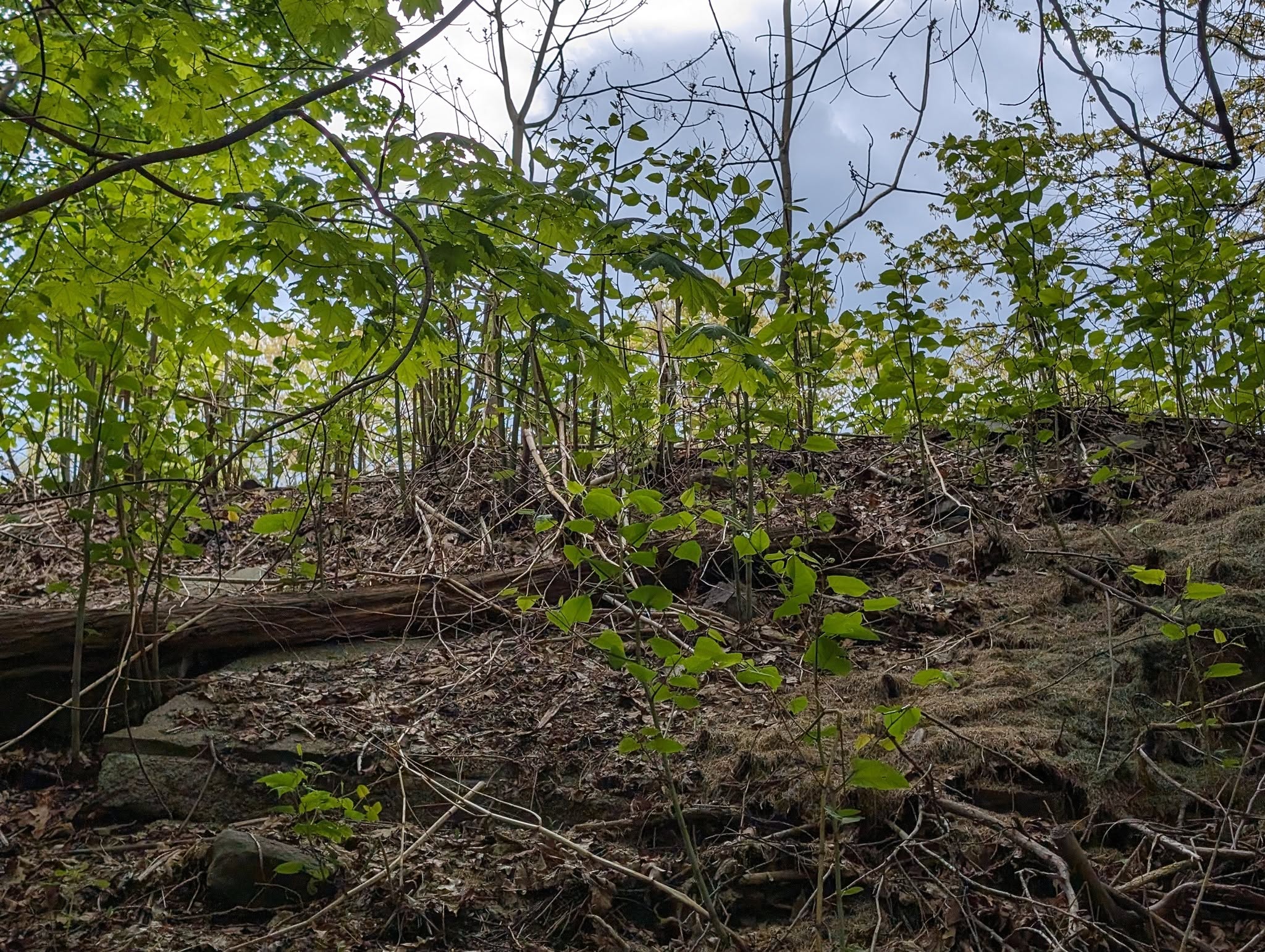
WORCESTER—Japanese knotweed, Oriental bittersweet and tree of heaven will be the first targets of a new partnership between Clark University and the city of Worcester that aims to put academic research to work on local problems.
The university and city have signed a memorandum of understanding establishing a long-term collaboration that will connect Clark’s academic programs with municipal projects, giving students opportunities to conduct research, pursue paid internships and gain professional experience while addressing community needs.
The first undertaking is a multiyear effort involving Clark’s School of Climate, Environment and Society to identify, map and develop strategies for managing invasive plant species across Worcester. The project examines the effectiveness of targeted management efforts on municipal properties and develop educational resources to help residents address invasive plants on their own land.
“Partnerships like this can help tackle real issues that are affecting the city and its residents while giving experiential learning opportunities to college students,” City Manager Eric Batista said in the announcement. “The City of Worcester is committed to fostering the talent and creativity of our local students to benefit our community for all.”
The collaboration is supported by funding Clark received this spring from the Arthur Vining Davis Foundation through Project IMPACT (Internships, Meaningful Practice, and Career Transitions). The initiative is designed to strengthen connections between academic coursework, applied research and paid internships.
While invasive plants are the initial focus, the agreement establishes a framework for future projects addressing other municipal challenges.
“Clark has always believed that the health and vitality of the city and the success of the University are inseparable,” Clark President David Fithian said in the announcement. “We are incredibly proud to be working together to provide meaningful experiential learning opportunities that will have enduring benefit both for our students and for the citizens of Worcester.”
Building on years of environmental research
The new initiative builds on Clark’s history of studying invasive species and their effects on Worcester’s neighborhoods.
For more than a decade, student researchers in the university’s Human Environment Research Observatory program examined the consequences of the Asian longhorned beetle infestation, which forced the city to remove 30,000 trees. Led by geography professors John Rogan and Deborah Martin, the research explored how the infestation affected neighborhoods and residents.
The latest project incorporates geographic information systems, or GIS, technology to help the city identify invasive plant populations and assess management strategies.
“This MOU with Clark University creates a unique opportunity to bring together research, GIS technology, and community action,” John Odell, Worcester’s chief sustainability officer, said in the announcement. “Together, we will identify and map priority invasive plant species across municipal properties in Worcester, assess the value and impact of targeted management efforts, and create the tools needed to educate residents about these invasive species on their own properties.”
Clark students Jamie Young and Daley O’Keefe, who have been researching knotweed, were among those who spoke at the event announcing the partnership.
The agreement marks the second formal collaboration between Clark and Worcester this fall. In September, the university and Worcester Public Schools signed a memorandum of understanding aimed at expanding educational opportunities, supporting educators and creating pathways to college and careers for the city’s students.
The announcement did not specify which municipal properties will be studied first or how many students will participate in the invasive species initiative.
