
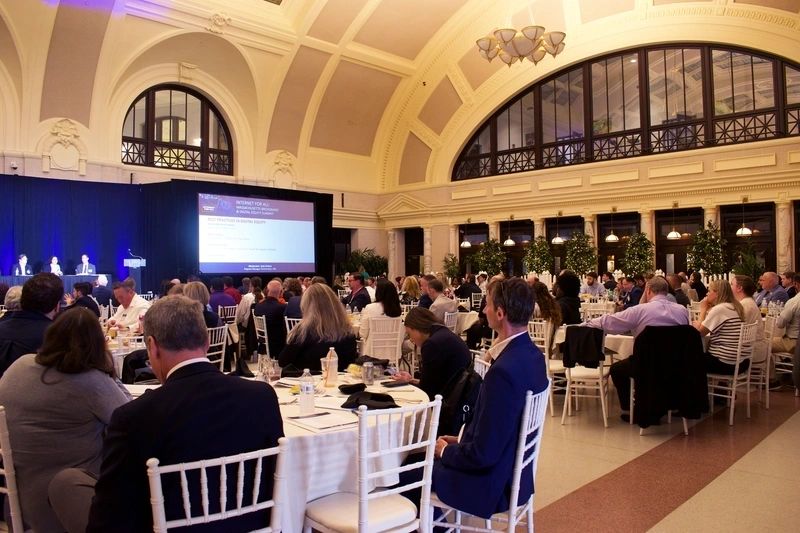
A third group has been added to the towns and cities participating in the Commonwealth’s Municipal Digital Equity Planning Program, according to a recent announcement by Massachusetts Broadband Institute (MBI) at MassTech.
The program offers 16 municipalities in the state free strategic planning from pre-qualified consultants to address internet access challenges. It aims to focus on solutions for the digital divide, covering affordability, digital literacy training, device access, and other barriers.
“Massachusetts continues to lead the nation in addressing the digital divide, empowering municipalities statewide with vital resources to enhance accessibility and education,” said Massachusetts Economic Development Secretary Yvonne Hao in a statement. “This program will enable more municipalities to empower their residents, providing not only internet access, but also with the necessary training, devices, and expertise to compete in the digital economy. As commerce, job opportunities, and essential resources shift online, ensuring robust connections is crucial for residents to excel now and in the future.”
“We want to congratulate the 16 cities and towns that have joined the program since last summer and spotlight their ongoing efforts to build more equitable communities,” added Michael Baldino, director of the MBI, in the announcement. “Alongside our planning partners, we are excited to provide these communities with the support to help connect with their residents, to ask the right questions, and to receive data-driven results that will enable them to get the right mix of support to their residents.”
Now, the total amount of cities and towns participating in the program has grown to 78, following a second group of 27 joining in August of 2023. The newest round includes four Gateway Cities – Attleboro, Fitchburg, Springfield, and Worcester – as well as 11 towns located in the Berkshires, Central Massachusetts, Cape Cod, Southeastern Massachusetts, and Western Massachusetts. A complete list of participating towns and cities can be found here.
The planning program gives municipalities the unique opportunity to work with a state-funded consultant on digital equity planning activities. The two options are a short-term, “low barrier to entry” process, and a comprehensive, longer-term Digital Equity planning process. Additional information on these options is located on the MBI website.
The final deadline for cities and towns to submit to the Municipal Digital Equity Planning Program is April 12. Massachusetts cities and towns that are interested in joining the program may submit an application on MBI’s website.
The “Act Relative to Immediate COVID-19 Recovery Needs” legislation created a Broadband Innovation Fund as part of the state’s response to COVID-19, which funded the Municipal Digital Equity Planning Program.
Last summer, MBI launched a statewide series of listening sessions as part of their “Internet for All” initiative. MBI met with community leaders, city officials, and residents in various communities to better understand barriers to internet access and ways to close digital equity gaps.
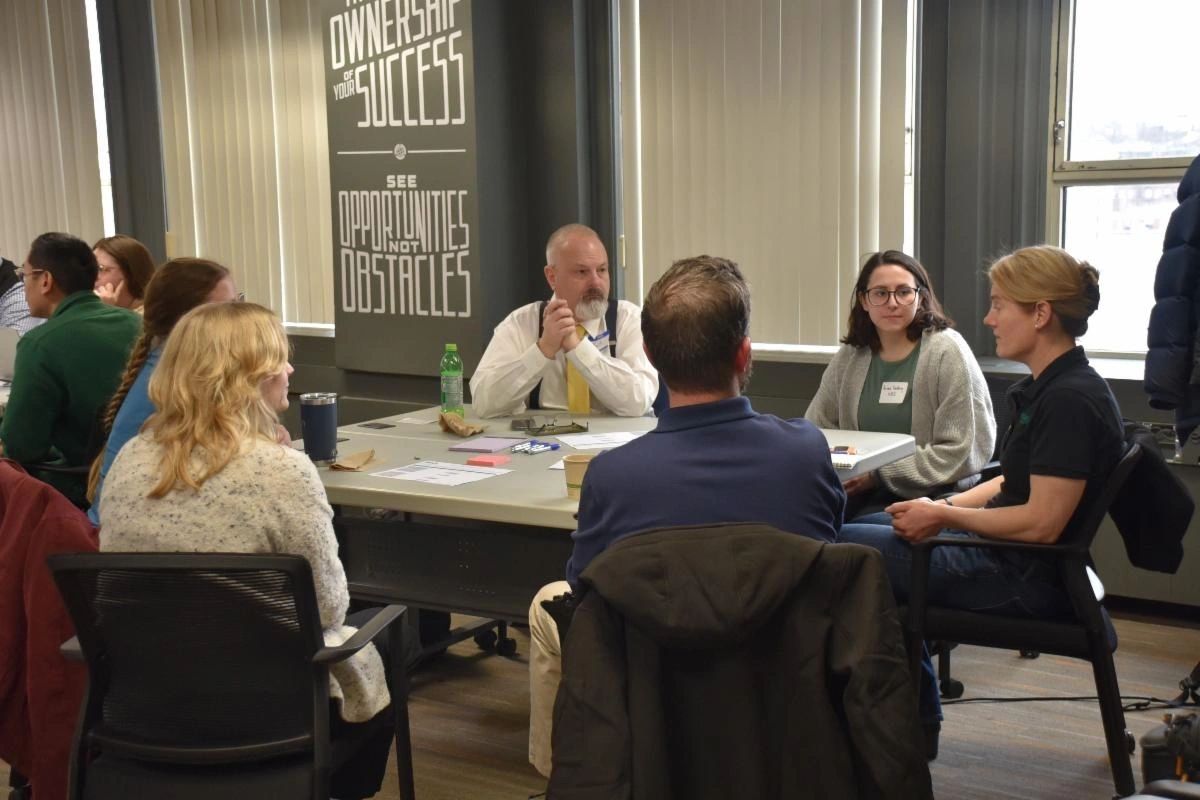
Worcester welcomed MBI last month to hold a digital equity charrette at JMAC, to which the community was invited to join in on a conversation about internet availability and affordability, device access, and digital literacy and skills. Input from the meeting was gathered and applied to planning going forward.
In October, MBI launched their $145M Gap Networks Infrastructure Grant Program to address gaps in coverage in unserved and underserved areas across Massachusetts. Their deadline for the next round of awards is on April 17th. MBI has awarded a total of $34 million to boost digital equity as part of the Digital Equity Partnerships program, which supports organizations across the state implementing digital equity projects.
Among the project summaries included in the announcement, is Worcester’s, which states:” Worcester is currently working to bridge the digital divide by providing weekly digital literacy classes at the public library and spearheading efforts to enroll families in the Affordable Connectivity Program (ACP). While Worcester ranks high in ACP adoption rate, they are facing several other barriers that make it difficult for residents to access resources and use the internet successfully. The City will conduct surveys, collect data, engage with the community in public forums, collaborate with various stakeholders, expand digital literacy, and tackle affordability to foster digital inclusion citywide.”
News? Press release? Info? Tips? Contact Charlene Arsenault at carsenault@theworcesterguardian.org