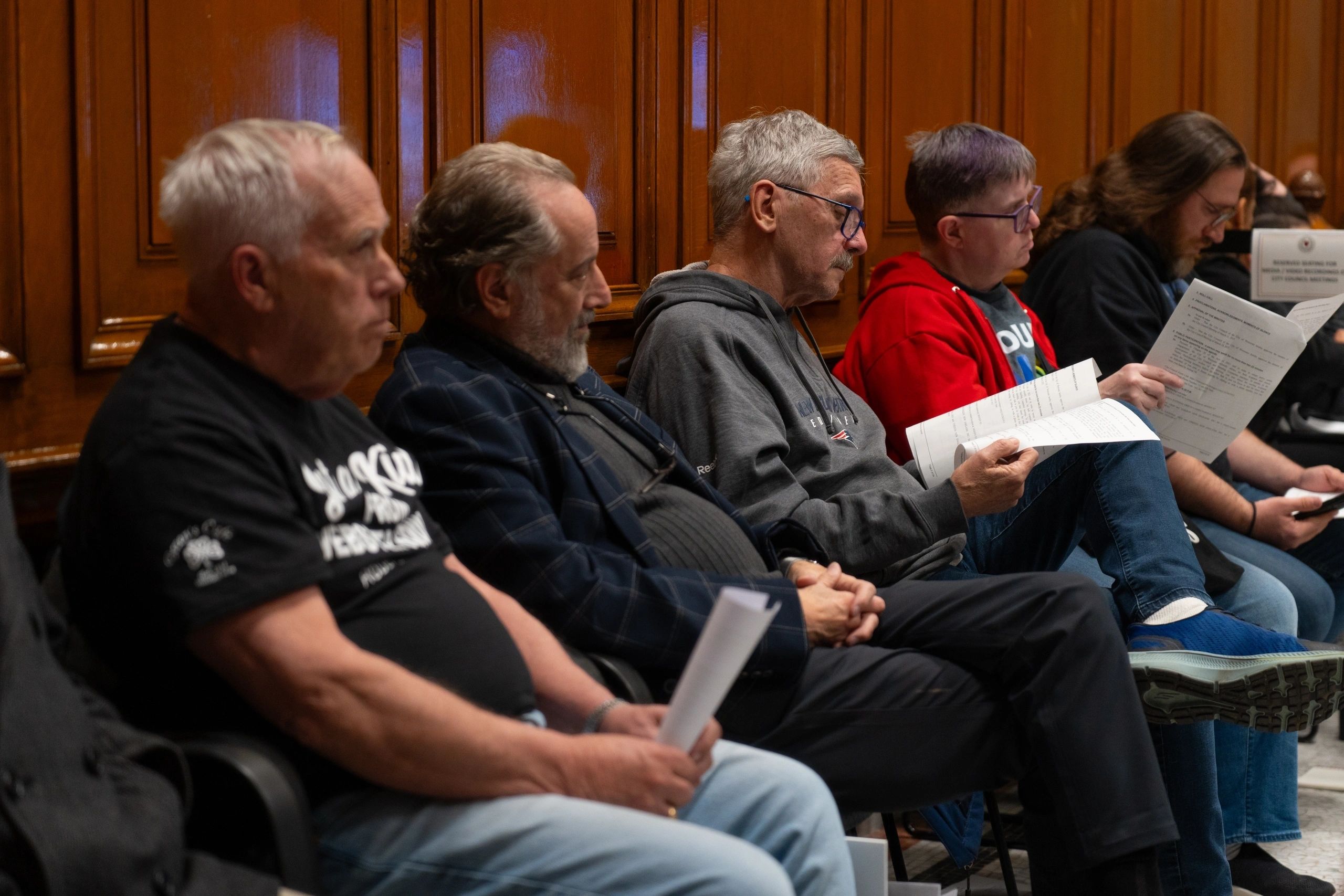
WORCESTER—A pair of orders governing attendance at city council meetings failed to pass after much debate at the April 1 meeting.
The first order, which would have become Council Rule No. 61, would have required councilors to notify the city clerk if they are going to miss a meeting, and provide “good cause, which is defined as “documented leave based on the City of Worcester’s Personnel Rules and Regulations for employees, including family, medical, and military leave.”
Any absence from city council and/or committee meetings without notification and good cause is defined as unauthorized leave.
Good cause is defined as documented leave based on the City of Worcester’s Personnel Rules and Regulations for employees, including family, medical, and military leave. Any absence from city council and/or committee meetings without notification and good cause is defined as unauthorized leave.
The second order, Council Rule No. 62, would have given the city council power to withhold a councilor’s pay if the councilor exceeded three unexcused absences in a year, or if the councilor “continues to violate the attendance requirements set forth in Rule 61.”
The two items were voted on collectively and required a two-thirds majority (eight votes) to pass. Councilors Morris Bergman, Candy Mero-Carlson, Donna Colorio, George Russell, Kathleen Toomey and Mayor Joe Petty voted in favor, while council members Etel Haxhiaj, Jenny Pacillo, Khrystian King and Luis Ojeda voted against.
Bergman said the Municipal Operations Committee, on which he sits, discussed a citizen’s petition, but he had amended the motion.
In that committee, Bergman said, the aim was to keep the structure of the council intact, and encourage meeting participation by all of its members.
“The discussion went in the direction of not vacating a seat…[but] doing something proactive so that we could encourage people to show up to meetings, with the dis-incentive if they didn’t show up,” Bergman said, adding that the democratic process doesn’t work with a person elected to represent the public doesn’t show up.
“We tried to create some rules that are prospective,” he continued. “We’re not punishing someone retroactively. People are counting on them to show up. The public is counting on all of us to show up.”
Pacillo said that while she understood the intent of the proposed rule change, she voted against it because it appeared to directly target Councilor Thu Nguyen, whose absences and conflicts with the council have been a source of debate for months.
In January, Nguyen announced a month-long hiatus to prioritize their mental and emotional well-being, citing experiences of transphobia and what they described as a discriminatory and toxic council culture.
Nguyen returned for the Feb. 12 meeting, using it to again call out what they described as a toxic and discriminatory environment within the council. As the state’s first nonbinary elected official, they reiterated allegations of transphobia and disparaging remarks, criticizing fellow councilors, the city clerk, and the city manager—while calling for more apologies. At that time, Nguyen and Haxhiaj also pushed for a third-party investigation into allegations that Mero-Carlson used a derogatory term to refer to Nguyen.
“When a rule change appears to be in direct response to a specific person or event, it’s punitive, even if it is procedurally justified,” Pacillo said at the April 1 meeting. “When we start using council rules to police each other, instead of focusing on governance, I worry that we are moving away from the kind of public service residents expect and deserve.”
King indicated that he has no doubt that the proposal was aimed at Nguyen, and that the people of Worcester should decide.
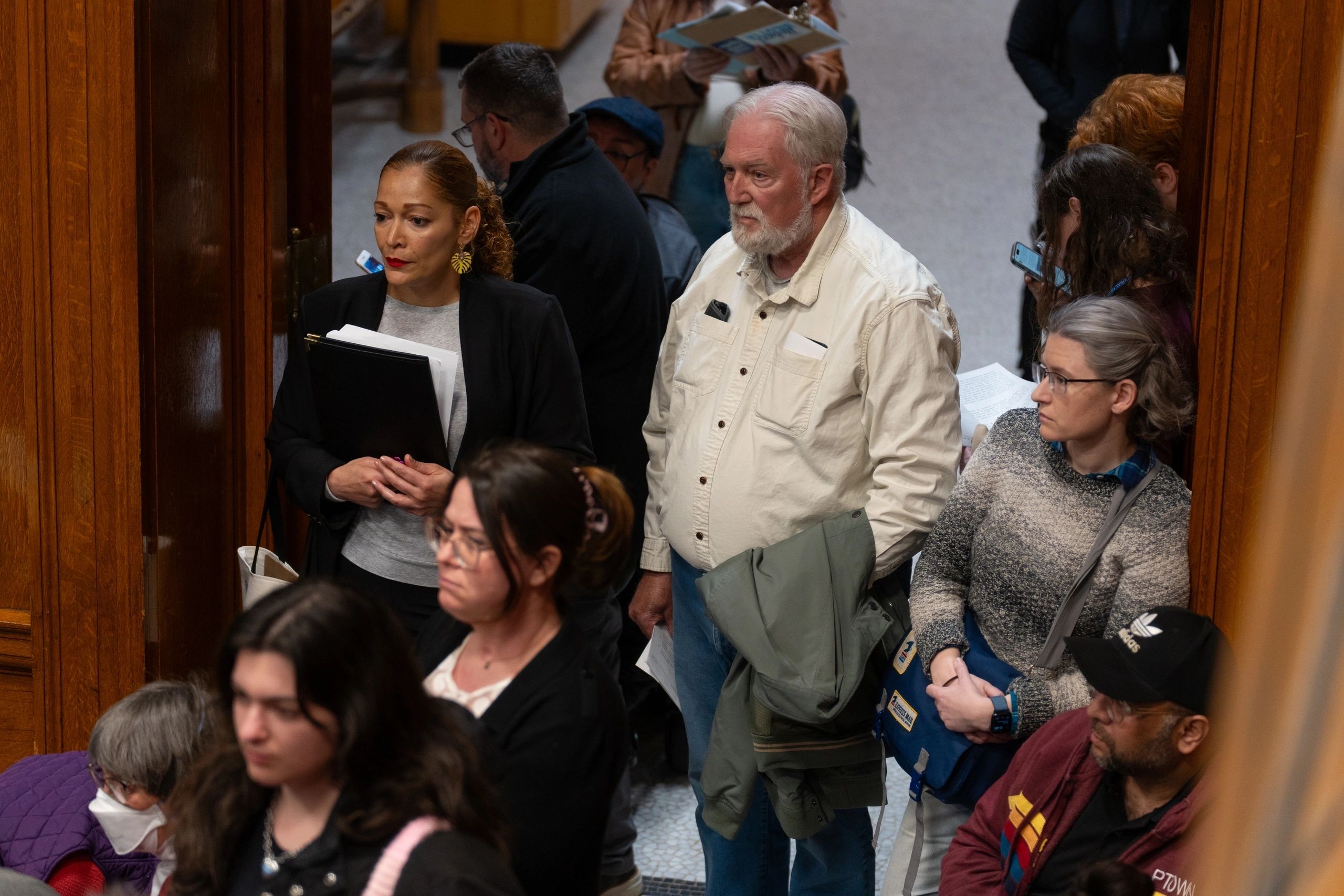
Residents were also on both sides of the issue. Some spoke about “inside fighting” on the council, and told the council they should not be punishing a council member because that person fears for their own safety.
Resident Gary Hunter said the council previously voted down an investigation into the matter, and has been avoiding its accountability.
“This is a hostile workplace,” he said. “There is accountability to apologize. We have gone through many meetings and there’s never been an apology. If you worked for a private company, many of you would not be working now.”
“This is not even an attempt at subtlety,” said resident Kirsten Frazier. “These are both obviously directed at one city councilor in particular.”
“Councilor Nguyen is being retaliated against for simply asking to be respected,” said resident Sadie Lombardi.
Others said it’s a matter of fulfilling one’s duties as an elected official.
“It’s not a specific councilor, it is for all councilors,” said resident Johanna Hampton Dance, who had petitioned the council for the rules changes.
“The pattern that’s happening now cannot happen in the future,” said Hampton Dance, who ran for city council at-large in 2021 and 2023. “We need to be able to hold councilors accountable. They should be showing up. If they cannot show up, they should have a just cause on why they cannot show up.”
Resident Ted Costas agreed.
“You’re all here, elected. You’re supposed to do a job,” he said. “If you’re not here to do the job, you shouldn’t be paid for it.”
Steve Smith, a veteran reporter with 17 years at The Hartford Courant, now brings his passion for photojournalism to Worcester. Contact him at steve@stevephotographysmith.com