
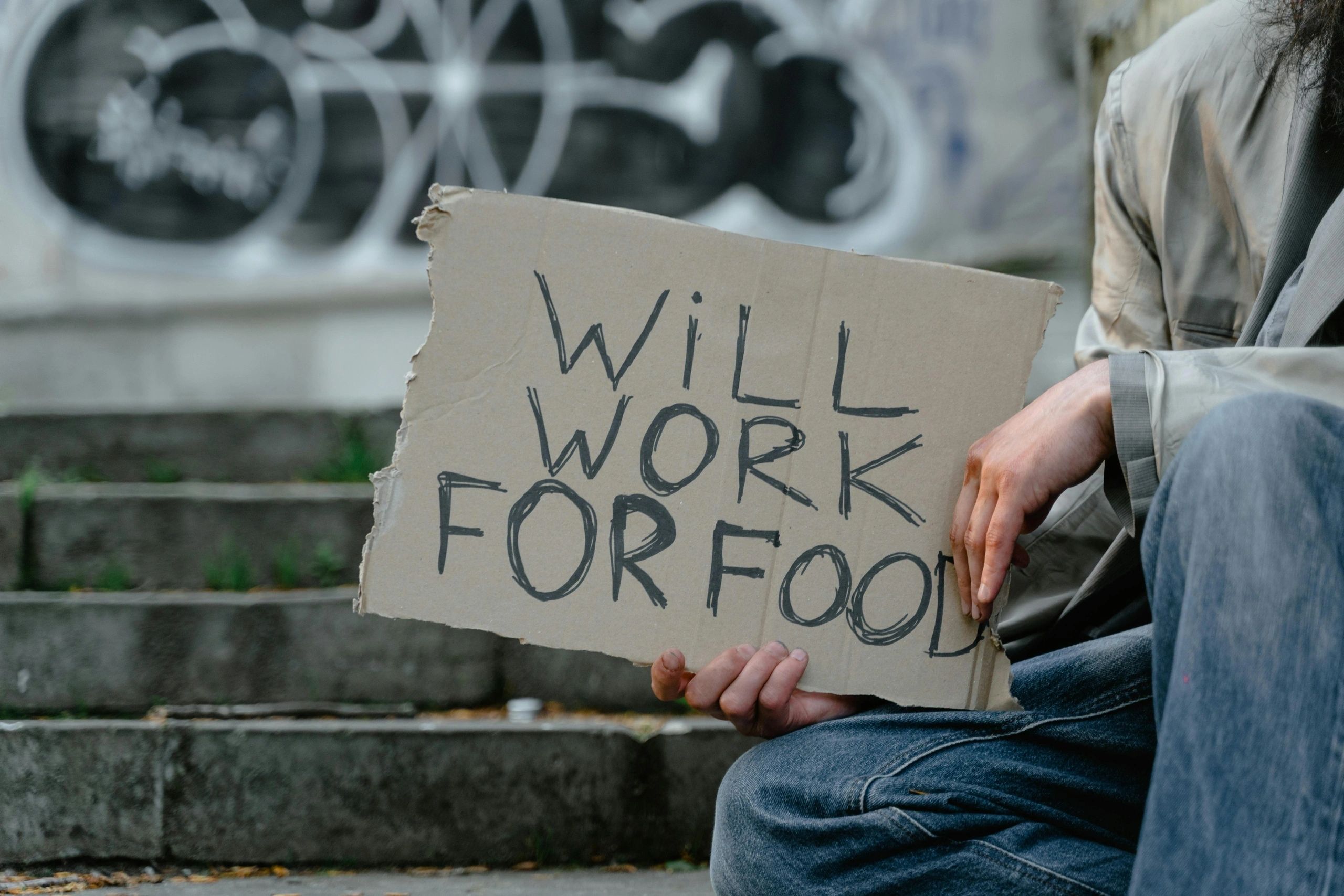
WORCESTER—Although a recent 6-3 Supreme Court ruling allows cities to enforce bans on homeless people sleeping outdoors, City Manager Eric Batista said Worcester’s approach to addressing homelessness remains unchanged.
“We have empathy and compassion for our unhoused residents,” Batista said, “and we are using every resource at our disposal as we balance the greatest and most urgent needs of the Worcester community.”
The court’s ruling in Grants Pass v. Johnson determined that ordinances that punish people for sleeping outside, even when there are no shelter beds available, do not violate the U.S. Constitution’s prohibition on “cruel and unusual” punishments.
According to government estimates, there are 600,000 homeless people on any given night in the U.S.
The nonprofit Central Massachusetts Housing Alliance released data earlier this year showing the overall homeless population in Worcester County has increased each of the last three years, rising 20 percent from 2023 to 2024.
The U.S. Department of Urban and Development issues an annual point-in-time tallying of sheltered and unsheltered homeless people. The tally in Worcester County had 1,927 unhoused people, including a total of 718 children younger than age 18.
Additional data indicated a 37 percent increase in homelessness among families with children or young adults and 100 people ages 18 to 24.
The Supreme Court decision enables municipalities to issue fines and impose jail time to people sleeping under bridges, in parks, cars and other public spaces.
But Batista said the city would never impose a fine on anyone living or sleeping outdoors.
“Though the ordinances of the city of Worcester remain intact with regards to camping in public parks, I want to reiterate that there are no city employees proactively seeking out and dismantling homeless encampments,” the city manager said.
He noted employees only respond to reports of public safety concerns, trespassing on private property, and “ultimately, try to find suitable housing options, medical services and other resources for anyone willing and able to accept.”
Batista said Worcester prioritizes working with state and local partners to create short and long-term housing and shelter opportunities.
Daina Harvey, associate professor of sociology and anthropology at College of the Holy Cross, said ignoring the Supreme Court ruling would be the city’s best response.
Harvey said, “With the unhoused, we can bypass prison and immediately help with housing. Hopefully this decision will cause alarm in those cities that tend to do a better job with homelessness and spur them on to creating housing and housing programs.”
He noted Worcester needs more low-income, fixed-income housing and housing for victims of social disruption like disasters and war as well as those having migrant and refugee statuses.
“A city like Worcester could set a good example,” he said. “We could demonstrate that we still care about the more precarious people and are doing what we can to maintain a social safety net rather than doing what we can to remove it.”
In response to what the psychological effects on unhoused people would be, Harvey pointed out that many in the population have issues with authority and avoid shelters primarily for that reason.
Overall, he said the decision would cause more anxiety and stress and prompt homeless people to seek out less populated areas where their chances of being seen are lower. They may also avoid camps—where they feel safest—because that will be the first places authorities would look.
“If the rate of arrest is going to go up because you already have a few citations and thus fines, you are going to constantly be in fear,” Harvey noted. “This is a population which already has mental health issues, are food insecure and suffer higher rates of physical and sexual abuse… This is just going to exacerbate those issues.”
Late last year, Worcester became home to the state’s first permanent supportive housing building when “A Place to Live” opened at 38 Lewis St.
The Worcester Housing Authority developed and oversees the 24-micro units, some of which are dedicated to people having physical and mental disabilities.
Susan Gonsalves is currently editor-in-chief of a mental health trade journal and a freelance writer/editor specializing in education, medical/health and business. She previously worked at the University of Massachusetts Dartmouth and has contributed to publications at Worcester Polytechnic Institute and College of the Holy Cross. At the Worcester Telegram, she covered the town of Leicester and wrote for Business Matters. She can be reached at smgedit@comcast.net
As the Worcester Guardian marks more than half a year of delivering free, independent digital news to our city, our dedication to this mission strengthens. Please consider a tax-deductible donation to support our ongoing commitment to providing hyperlocal news coverage to Worcester.