
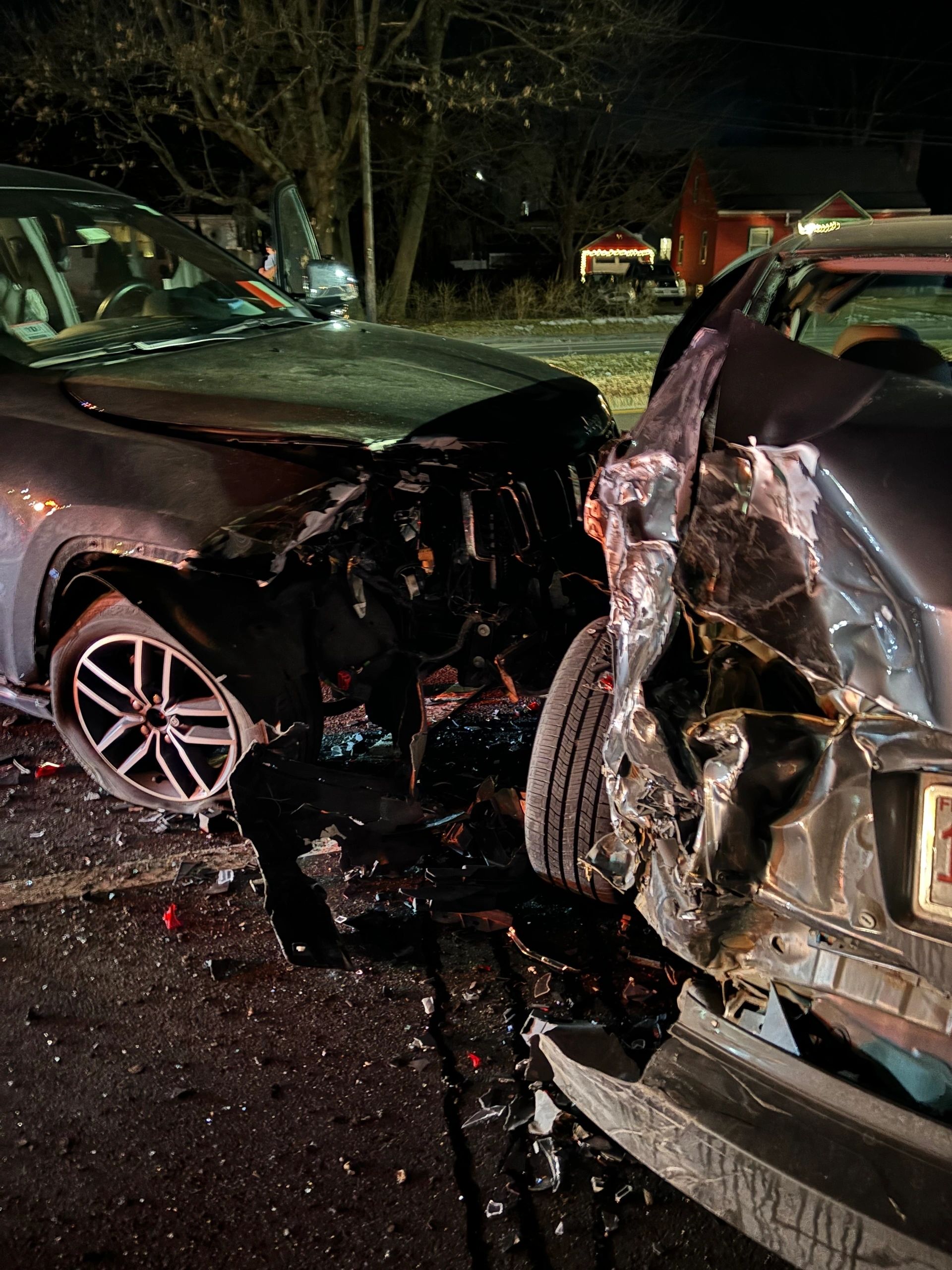
WORCESTER— In response to a series of recent pedestrian crashes, including one that claimed the life of a 13-year-old girl and another that left a 13-year-old in a coma, Worcester City Manager Eric Batista and Mayor Joseph Petty have declared a “road safety and traffic violence crisis” in the city.
The declaration comes after a string of incidents that have raised concerns about pedestrian safety in Worcester. On June 25, a one-year-old girl suffered a head injury after being struck by a vehicle on Lincoln Street. Two days later, 13-year-old Gianna Rose Simoncini was fatally hit by a motor vehicle while crossing Belmont Street. Most recently, on July 26, 13-year-old Ayuen Leet was left in a coma after being hit by a car on Shrewsbury Street.
Traffic-related injuries and crashes have been on the rise both nationally and in Worcester since 2020. Highlighting the severity of the issue, Petty noted that Worcester experienced 2,800 motor vehicle crashes last year, resulting in 51 serious deaths, with 90 of those incidents involving pedestrians and cyclists.
Nationally, these types of crashes are the leading cause of injury-related deaths among Americans aged 24 and younger, and the second leading cause for all age groups.
In response, the Worcester Police Department has intensified its efforts to combat this trend, issuing 3,180 citations for traffic violations over the past year and conducting regular educational campaigns focused on distracted driving, bicycle safety, crosswalk awareness, and impaired driving.
“This is definitely a collaborative effort,” Petty said. “Police enforcement matters, but there are a handful of other factors that go into this. We’re thinking of creative traffic measures to change driver behavior and collaborating with the Vision Zero task force.”
“The Dept of Transportation & Mobility has also initiated ‘quick response” studies to identify the most pressing safety issues in each corridor,” said the department’s commissioner Stephen Rolle, “and recommend quick-build actions that can be implemented within one year. These studies will also identify longer-term, larger-scale safety improvements on these corridors and outline steps necessary to fully evaluate, design and implement them.”
The city is working with Speck Dempsey to develop and implement a Vision Zero Safety Action Plan, expected to be completed later this fall. In the meantime, officials are expediting the release of some findings from the program and implementing both near-term and longer-term actions to improve roadway safety.
“After the teenager died on Belmont Street, we have to figure out ways that we can make motorists more aware of their surroundings and how to safely drive through the city,” Petty stated. “These cars are made to drive fast. People don’t always know how fast they’re driving and a lot of them are distracted. You have the whole world in your car.”
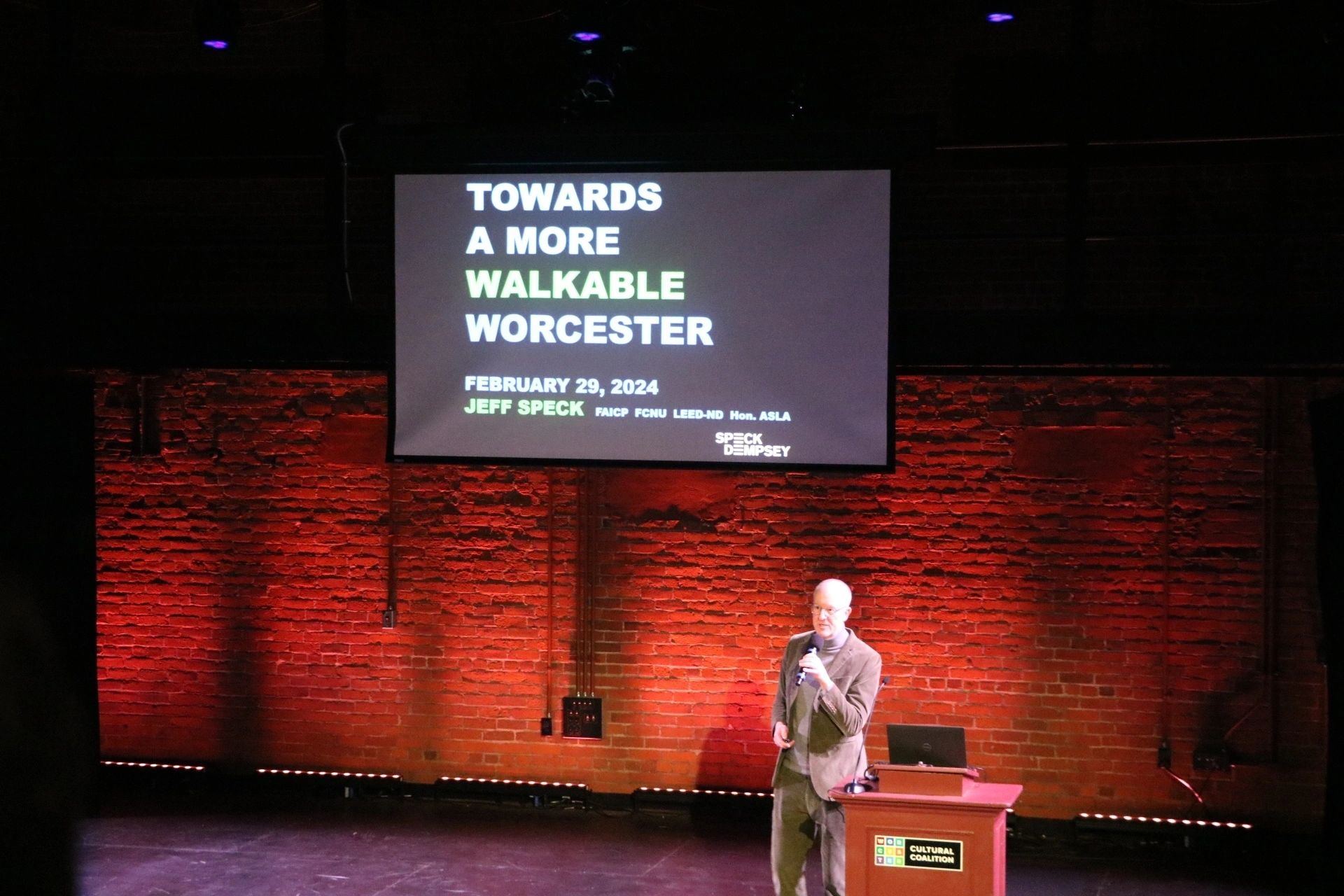
The city is focusing on particularly dangerous areas, with Belmont Street, Shrewsbury Street, and Mill Street receiving special attention. “We need to be more people-focused and not as vehicle-focused,” Petty explained. “I’ve talked with Steve Rolle about how some of these changes will always have room for improvement and figuring out the best design for many of our streets, especially Mill Street, Belmont Street and Shrewsbury Street.”
“Main Street, Chandler Street, Franklin Street and Southbridge Street are some streets needing attention, with problematic intersections, high congestion, and pedestrian safety issues,” said Rachael Ellis, a Worcester resident advocating for road safety, having been in a car crash in the city before. “Being a central hub in Massachusetts, we have a lot of traffic, particularly during rush hours. Many streets also do not have proper safety mechanisms in place for pedestrians such as sidewalks, crosswalks, and signals.”
Rolle said that in addition to the Vision Zero Safety Plan, arterial and collector improvements, and speed limit proposals, additional traffic safety efforts include: installing speed bumps in certain neighborhoods, adding 60 rapid flashing beacons at crosswalks, working with the Worcester schools to improve signage and markings, publishing a mobility action plan, and educational campaigns.
Two proposals are currently before the city council: reducing the citywide speed limit from 30 mph to 25 mph, and establishing 20 mph safety zones. Rolle has noted that both the likelihood and severity of crashes increase with higher speeds, with pedestrians and cyclists being most vulnerable.
“You can stand somewhere in the city and see a bunch of cars running through the red lights,” said Petty, stressing the urgency of the situation. “Clearly people need to drive more carefully.”
“Educating motorists about the importance of crosswalks is also important,” Interim Police Chief Paul Saucier told the Worcester Guardian. “Motorists have a better chance of seeing someone in a crosswalk than if they are in the road. We are also focusing on distracted driving. People are not keeping their eyes on the road and that needs to change. Our officers have been out there educating motorists as part of the Eyes Up, Phones Down campaign.”
Bethany Mann, a Worcester resident, mother, and advocate for stronger road safety, echoed Petty’s impressions, adding, “In the city you have people run red lights, especially left turns, while you’re sitting through your green because they want to get by. The left turn from Lincoln street to Belmont, right in front of the police station…they run that light like their lives depend on it.”
As part of the immediate response, the city’s Department of Transportation and Mobility has been tasked with conducting “quick response” assessments of traffic safety and near-term improvements for Belmont Street and Shrewsbury Street. These studies, to be completed within 60 days, aim to identify pressing safety issues and propose quick-build changes that can be implemented within a year, as well as outlining longer-term, larger-scale safety improvements.
With these measures, Worcester officials hope to address the current crisis and create safer streets for all residents, whether they’re driving, cycling, or walking.
“There are a lot of factors that we need to consider,” said Morris Bergman, city councilor-at-large. “It could be education, infrastructure, enforcement, probably a combination of all the above. There seems to be a push to tackle it one way not another.”
Bergman said that given the nature of the accidents that take place across the city, that studies need to focus on where these crashes are taking place, and “not just where the fatalities are. [We need to] analyze if there’s a trend in certain streets in the city.”
He said that by taking this approach, the city will be able to determine better whether there’s an infrastructure problem and if there are enough crosswalks and streetlights.
“Congestion is another issue,” said Saucier. “It frustrates drivers, but it can also lead to aggressive driving. There is also a lack proper infrastructure such as signage, traffic lights and pedestrian crossings in some areas.”
Bergman said that he is encouraging people to file petitions if they feel there aren’t enough crosswalks or if the lighting could be improved. “I’m also trying to see what educational programs exist for road safety,” he said. “Maybe there are programs that we can recommend state legislators to adopt.
“If we jump too fast without fully analyzing, that can cause further problems, too. We need to act but not take action too fast. What should we do to solve the problem versus what should we not do?”
Officials stressed that the most meaningful way to honor the victims of these tragic accidents is by taking proactive steps to make Worcester’s streets safer for everyone.
“Everyone in the city can work together to make a real difference on our roads,” said Saucier. “Residents, community organizations, elected officials and the WPD can identify and address hotspots, improve road infrastructure, and improve overall road safety.”
Matt Olszewski is a freelance content and news writer based in Boston, MA. In his free time, Matt enjoys running, hiking or skiing. Matt is currently finishing up the MPH degree program at Tufts University. He can be reached at mattoskier@gmail.com
As the Worcester Guardian marks nearly a year of delivering free, independent digital news to our city, our dedication to this mission strengthens. Please consider a tax-deductible donation to support our ongoing commitment to providing hyperlocal news coverage to Worcester. Scroll to the bottom of our home page to sign up for our daily newsletter