
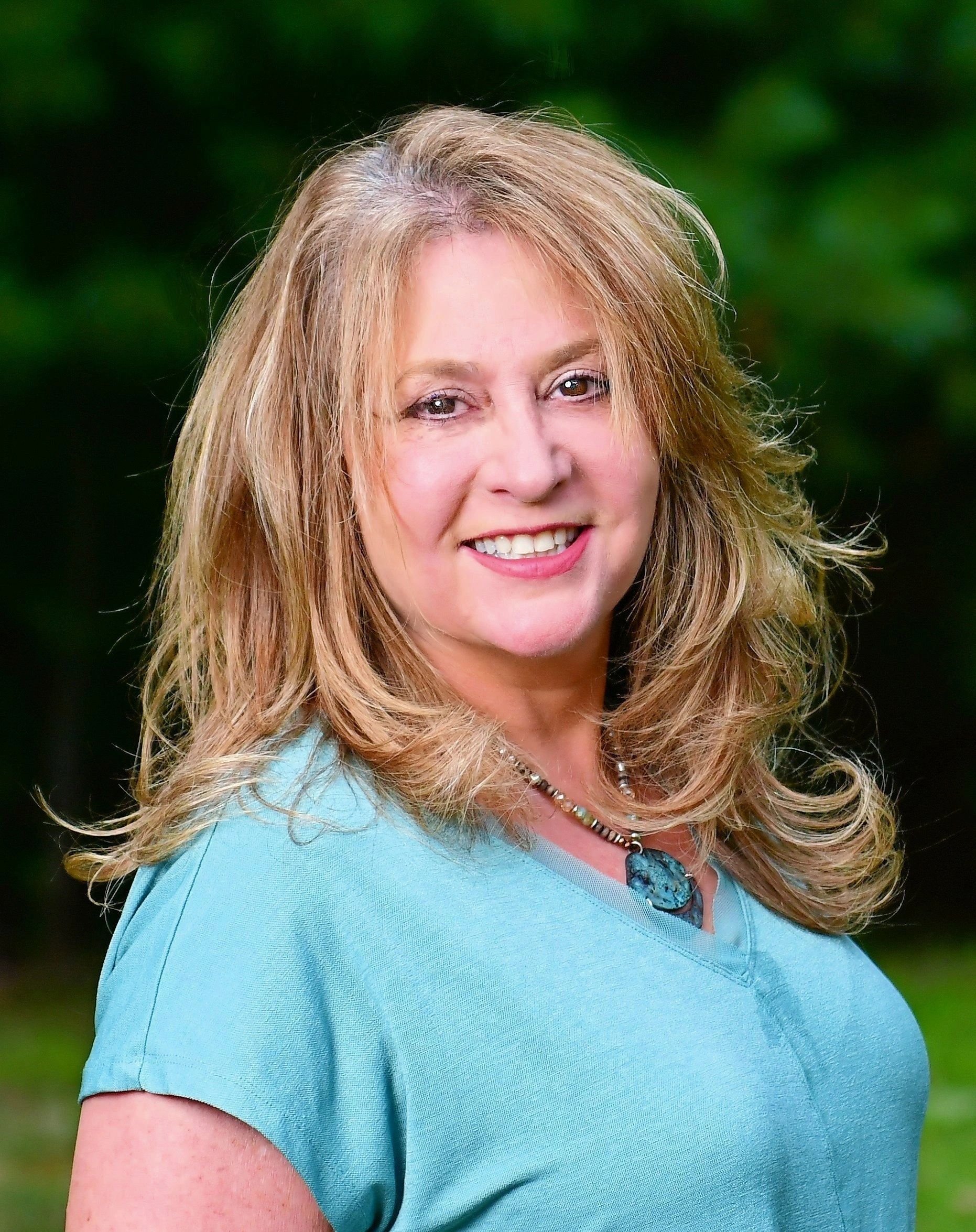
WORCESTER—Abbie Rosenberg is on a mission: To end stigmas and improve awareness regarding mental illness, particularly as it affects young people.
“Seventy-five percent of mental health symptoms show up before age 25,” she said. “There’s currently an eight-to-11-year gap from the onset of symptoms to treatment. Think if you had asthma, or an ear infection, and waited eight to 11 years for medicine.”
Rosenberg is the founder and executive director of Mental Health Collaborative (MHC), which seeks to bring education to communities and schools. MHC provides mental health training tailored to particular age groups and cohorts, such as older adults, parents and caregivers, and coaches.
There is also a program geared specifically for educators, and MHC has recently partnered with the Worcester Public Schools, providing both instruction in mental health essentials for educators, via a train-the-trainer model, and a student curriculum. Worcester will pilot the program for freshmen with the goal of expanding throughout the district.
“What I love about our programs is they all focus on mental health literacy,” Rosenberg said, “with specific strategies for the audience we are working with. It’s very sustainable. We train educators, and then they have the curriculum in perpetuity.”
Rosenberg said that the curriculum includes any updates or new data that MHC adds to the programming. Mental health literacy is also part of the new Massachusetts health frameworks and is aligned with the Comprehensive Assessment of Spoken Language (CASL) competencies.
“All the student materials are translated into Spanish and Portuguese, and we have quarterly meetings for those trainers to discuss what works,” she said.
Rosenberg had been a nurse practitioner for years, providing psychopharmacological and psychotherapy to clients. In 2017, she said, a former patient died by suicide, and in his honor and memory, she founded MHC.
“I decided to make a bigger impact,” she said. “I know how important mental health education is. I researched for over a year to see what was not being met, and universally, it was mental health literacy, or education.”
Mental health can be so nuanced, Rosenberg said, that having some guidelines can help caregivers know how to help youth.
“Sometimes it’s not until there’s a crisis, in hindsight you think you could have done something earlier,” she said. “In kids, sometimes it’s hard to tell what’s normal behavior and what’s concerning.”
MHC’s trainings focus on four components of mental health literacy, and the first is decreasing the stigma surrounding mental illnesses. While it’s not uncommon to ask friends and colleagues to recommend an orthopedist or dentist, for example, people are sometimes reluctant to ask for help with issues such as depression or anxiety.
“Mental illness doesn’t discriminate,” Rosenberg said. “If you had a seizure disorder, you wouldn’t say, ‘I’m going to beat these seizures with my own good will power.’”
The second competency is increasing one’s knowledge of mental illness.
“There’s a difference between normal stress and an anxiety disorder,” Rosenberg said. “Knowing the difference can ensure that more appropriate referrals are made.”
It’s also important to promote your best mental health, the third component.
“What are the coping strategies you use when things are not going well?” she said. “We all use different things – what works best for you, and who are your go-to people?”
Lastly, not only is it important to seek help when you need help, but you need to know how to access that help.
“We try to customize the program so people can access it in a general way, and then customize it to who we work with. Who would I go to in my school? Who can I refer to and get advice from?”
Rosenberg said if one is worried about a friend, a direct approach is best: Ask straight out, “Are you thinking about ending your life?”
“There’s a myth that asking will trigger them, but that’s not true,” she said. “It helps them open up and feel less alone, and with persistence, you can always get help.”
Rosenberg’s ultimate goal is to have a mental health literacy program in every school in the country.
“I’m very passionate about it because we need to help our youth, and those who care for them,” she said.
A recent workshop attendee told Rosenberg she thought a youngster had overcome their depression, because they had told the mentor they were feeling better.
“People don’t know that can be a sign,” Rosenberg said. “Saying ‘I’m all set’ could mean they’ve made a plan (to harm themselves.)”
Rosenberg said during one training, an audience member raised their hand.
“I’m so sorry to interrupt,” the person said. “But I’ve just realized that my daughter might have an anxiety disorder.”
These awarenesses help close the gap between symptoms and treatment.
“We have the data, but we also have real-life stories,” Rosenberg said. “That’s what makes me keep doing this work—because I’ve been told lives are being saved.”
Christine M. Quirk is the former editor of MotherTown and has written for the Telegram & Gazette, Bay State Parent and Times & Courier. She is a novelist and educator and lives with her family in West Boylston. She can be reached at cmqwriter@gmail.com
As the Worcester Guardian marks six months of delivering free, independent digital news to our city, our dedication to this mission strengthens. Please consider a tax-deductible donation to support our ongoing commitment to providing hyperlocal news coverage to Worcester.
