
WORCESTER—A federal lawsuit over mental health emergency responses, sweeping safety requests along Shrewsbury Street, and new questions about how Worcester delivers everyday services are among the wide-ranging issues heading before the city council Tuesday night.
Councilor Kate Toomey seeks a report on how Worcester responds to mental health-related emergencies. The order asks the city manager to outline the current process used by the Worcester Police Department and Emergency Communications and Management Department, along with any initiatives or programs the city has adopted.
The request comes just one week after three mental health and disability advocacy organizations filed a federal lawsuit against the city alleging that its emergency response system improperly dispatches armed police officers to many mental health-related calls rather than trained clinicians. The lawsuit, filed by NAMI Massachusetts, NAMI Central Massachusetts and the Parent-Professional Advocacy League, argues that the practice may violate federal disability laws and calls for a health-centered response model.
Also tied to everyday city services, Councilor Satya Mitra wants a report examining how Worcester 311 handles service requests, including response timelines, communication with residents and how departments notify 311 when work is completed. The order also asks for information about how disruptions to the 311 system are handled — a request that signals growing attention to how residents interact with city government and track issues such as potholes, trash and infrastructure repairs.
Meanwhile, a large portion of the agenda is dominated by a series of petitions focused on Shrewsbury Street safety improvements. More than a dozen requests submitted by Worcester Police Officer Sean M. Lovely on behalf of the Shrewsbury Street Merchants Association and Shrewsbury Street Residents Group call for crosswalk repainting and traffic signal timing reviews at intersections spanning the length of the corridor — including Prentice Street, Adams Street, Seward Street, Lyon Street, Washington Square and several other locations. The volume of requests highlights ongoing concerns about pedestrian safety and traffic conditions in one of Worcester’s busiest commercial districts.
Councilor Gary Rosen also seeks greater transparency around Payment in Lieu of Taxes (PILOT) agreements, requesting a report listing all PILOT contributions from colleges and universities and whether those payments are earmarked for specific uses. The request comes as cities nationwide increasingly look to nonprofit institutions to help offset municipal costs.
The agenda also includes requests that range from infrastructure oversight to public health initiatives and economic impact reporting — highlighting a meeting that blends large policy questions with the nuts-and-bolts of city operations.
Other highlights on the agenda:
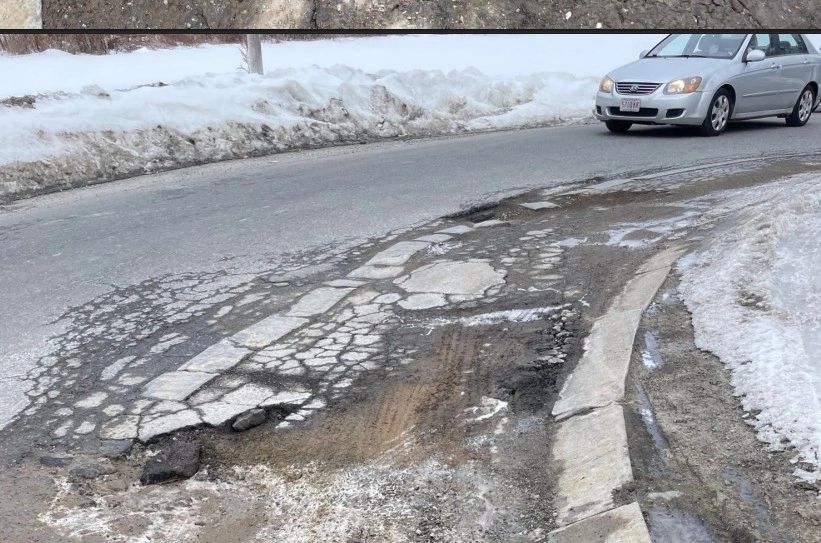
- In the trenches: digging into road repairs: Councilors take a closer look at how Worcester handles trench restoration—a frequent source of resident complaints about uneven pavement, patchwork repairs and roads that deteriorate quickly after utility work. The proposed review would examine everything from how permits are issued to whether restorations are being completed within 90 days, as well as how inspections are conducted and whether the department has enough staff to monitor the work. Councilors are also seeking a draft ordinance to extend trench restoration warranties from two years to five years—a move that could shift more responsibility onto contractors and utilities when repairs fail. A separate request calls for details on restoration work completed on Beverly Road and Ararat Street, including whether the repairs remain under warranty and who is responsible if additional fixes are needed.
- More room for recycling? Rosen is asking the city to explore offering residents a second recycling container option—a larger, heavy-duty 50-gallon rollout bin with a hinged lid. Currently, Worcester provides new residents with a smaller 22-gallon container free of charge, but some households have pushed for additional capacity, particularly in multi-family homes or neighborhoods with higher recycling volume. The proposal would allow residents to purchase the larger container while maintaining the existing program. The request reflects ongoing conversations about recycling participation, overflow issues and how the city can encourage greater diversion from the waste stream.
- Checking in on underage drinking prevention: Councilors revisit Worcester’s youth-led Sticker Shock Campaign, which aims to discourage adults from purchasing alcohol for minors. The initiative involves teens placing warning stickers on alcohol packaging at participating retailers, reinforcing ID checks and raising awareness about underage drinking laws. Rosen is requesting a committee meeting with representatives from public health, youth services, police and participating teens to review the program’s effectiveness and explore future expansion. The discussion could shape how Worcester approaches prevention efforts moving forward, particularly as cities nationwide look toward education-based strategies alongside enforcement.
- School budget preview requested: Councilor Khrystian King is requesting that city and Worcester Public Schools finance officials present an overview of the district’s FY27 budget at a future committee meeting. While the next fiscal year is still months away, early discussions often signal potential funding pressures, staffing needs or program changes. Bringing the discussion forward may give councilors and the public more time to understand the financial landscape before formal budget season begins.
- ShotSpotter discussion sought: Toomey is requesting a public discussion with the police chief about ShotSpotter technology and its impact in Worcester neighborhoods. The meeting would examine potential benefits, including faster response to gunfire, as well as concerns related to accuracy, deployment locations and community impact. ShotSpotter has been a point of debate in cities nationwide and Worcester’s use of the technology has periodically drawn questions from residents and councilors.
- A leap-year holiday for Worcester? Councilor Satya Mitra is asking the city to explore creating a municipal holiday every Feb. 29 to commemorate Worcester becoming a city in 1848. The proposal suggests a celebration on Worcester Common and a day off for city employees every leap year. While the idea appears largely symbolic, it raises questions about logistics, staffing and potential costs associated with an additional municipal holiday. Still, the proposal reflects an effort to highlight Worcester’s history and civic identity in a unique way.
- Does hockey pay? Toomey also asks for a report on the economic impact of the NCAA Division I Men’s Hockey Regional held March 26 and 28 at the DCU Center. The analysis would examine whether large-scale sporting events bring measurable benefits to Worcester through hotel stays, restaurant traffic and downtown activity. Worcester has increasingly positioned itself as a host city for major events, and the report could help guide future decisions about attracting tournaments and conventions.
- Illegal dumping fines could increase: Councilors consider an ordinance raising penalties for illegal dumping from $200 to $500 for a first offense and $1,000 for repeat violations within a calendar year. The proposed increase comes as Worcester continues to grapple with illegal dumping in neighborhoods and along public spaces. Officials hope steeper fines deter repeat offenders and improve enforcement efforts. The change would mark one of the more significant increases in non-criminal fines in recent years.
- City clerk contract up for approval: Councilors are expected to consider a two-year contract extension for City Clerk Nikolin Vangjeli through 2028. The proposed agreement reflects a salary of $199,687 for FY26, with potential 3% increases in FY27 and FY28 tied to bargaining unit increases. The contract also includes continued use of a city-owned elections vehicle for official duties, reflecting the logistical responsibilities tied to administering elections. The vote would formalize the clerk’s continued leadership through the next election cycles.
Worcester City Council meets Tuesday, March 31, at City Hall in the Esther Howland (south) at 6:30 p.m. It is also livestreamed on the city’s website.
Have news, tips, or a story worth telling? Reach Editor Charlene Arsenault at carsenault@theworcesterguardian.org—because good stories (and great scoops) deserve to be shared.
