

WORCESTER—A discarded toilet on Bigelow Davis Parkway is among the latest examples city officials say shine a light on a persistent problem with illegal dumping—and the Worcester councilors are weighing steeper fines in response.
Councilors on Tuesday took up a proposed ordinance that would more than double the penalty for a first illegal dumping violation, from $200 to $500, and raise fines for second and subsequent offenses within the same calendar year to $1,000.
The measure, submitted by City Manager Eric D. Batista and drafted by City Solicitor Alexandra Kalkounis, amends Chapter 15 of the city’s ordinances to increase non-criminal fines tied to the illegal dumping ordinance in Chapter 8.
In a letter to the council, Batista wrote that the proposal responds to a request “to increase fines to deter illegal dumping in the city’s neighborhoods.” He said the change aligns with the city’s Clean City Initiatives priority goal and ongoing efforts to “minimize litter, reduce trash and illegal dumping, and implement sustainable solutions to maintain the cleanliness of streets and public places.”
District 2 Councilor Rob Bilotta thanked the administration and law department for bringing the ordinance forward, calling illegal dumping “a real challenge throughout the city.”
“Driving through different neighborhoods on Belmont Hill,” Bilotta said, “even you know, Franklin Street, like, yeah, Bigelow Davis Parkway, anywhere where there’s kind of, you know, quiet streets, dead end streets, there tends to be more dumping, whether it’s trash or furniture or…. I’ve even seen a toilet on Bigelow Davis Parkway.”
He added that raising fines—particularly for repeat offenders—should be part of a broader strategy to address the issue.
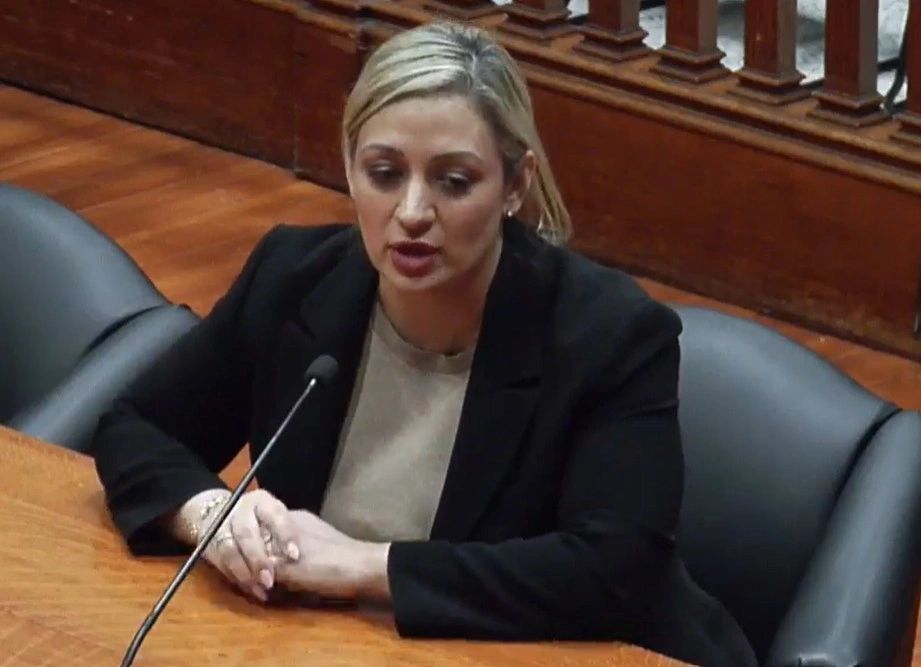
“So I think any step that we can can take in any tool we can utilize to really, you know, minimize illegal dumping, I think it’s absolutely worth pursuing,” he said.
Mayor Joseph Petty asked whether there is a legal ceiling on how high fines can be set.
“Yes, this specific ordinance, or the statute allows up to $2,000,” Kalkounis responded.
Councilor Khrystian King said the proposed fine increase is only one component of a larger effort to address public health and cleanliness concerns, including expanded access to residential drop-off centers and other waste management reforms.
“I think we all, including councilor Bilotta understand this is not a panacea,” said King. “It’s not a one stop, one shop remedy, but it’s certainly a tool in the toolbox.”
Batista relayed to councilors the administration is reviewing its Zero Waste Master Plan, which is expected to address many of the issues raised in recent orders and committee discussions, including potential changes to residential drop-off center access, recycling systems and related policies.
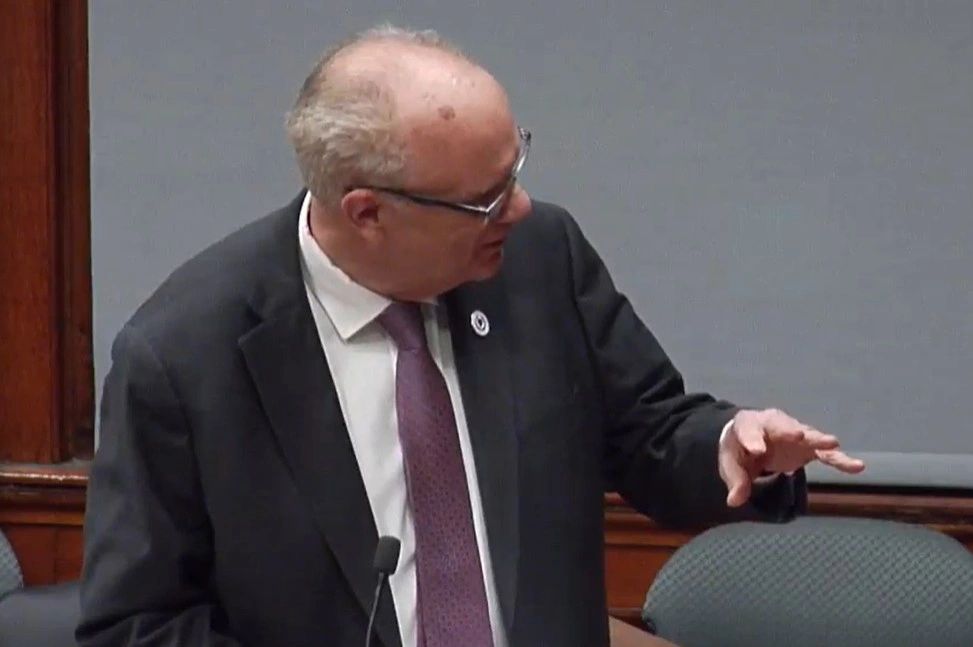
“We’re currently working right now on a Zero Waste Master Plan,” Batista said, adding that the administration hopes to submit recommendations to the council within the next month or two. The Department of Sustainability and Resiliency is leading the effort in collaboration with other departments.
“We’re going to try to be as detailed as possible,” Batista said, noting that some changes may involve departmental reorganization rather than direct new costs.
The proposed ordinance was referred to committee for further review.
If adopted, the amended ordinance would increase the fine for a first illegal dumping offense to $500 and impose a $1,000 fine for second and subsequent violations within the same calendar year.
Have news, tips, or a story worth telling? Reach Editor Charlene Arsenault at carsenault@theworcesterguardian.org—because good stories (and great scoops) deserve to be shared.
The Worcester Guardian is an independent nonprofit news organization. Support local journalism by making a DONATION today.
