
WORCESTER — Relief could be on the way for some Worcester renters, but only if landlords agree to keep their units affordable.
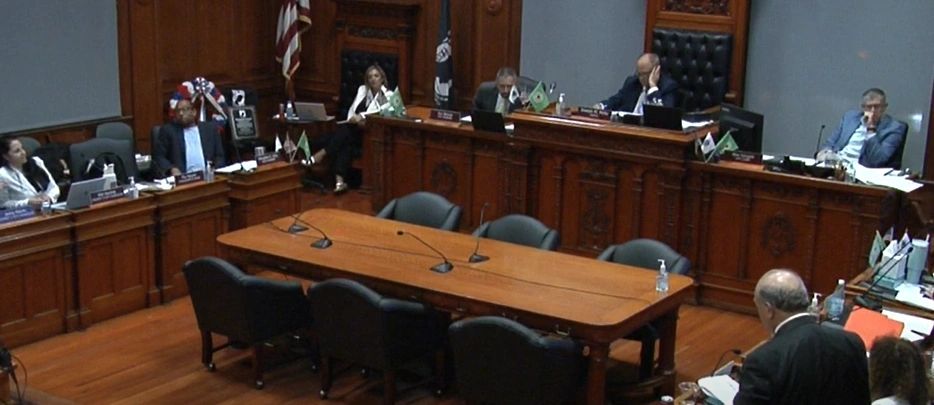
City councilors on Tuesday unanimously approved a request for a report on a potential tax relief program aimed at encouraging property owners to cap rents at levels considered affordable under federal guidelines.
In exchange, landlords would receive breaks on their property taxes.
The proposal, brought forward by Mayor Joseph Petty and Councilor Candy Mero-Carlson, chair of the city’s Economic Development Committee, is meant to increase access to affordable housing in a tight and costly rental market.
But it drew swift reaction from residents and councilors, many of whom questioned whether the plan would truly help low-income tenants — and whether it includes enough protections for those most at risk of displacement.
Residents demand stronger safeguards, equity focus
During public comment, several residents said any tax relief must come with clear strings attached — including enforceable protections for tenants and a focus on the city’s most vulnerable.
Anne Bureau, speaking on behalf of the Worcester Affordable Housing Coalition, called for “guardrails” such as code compliance, protections against evictions, and prioritization of residents earning below 60% of the Area Median Income (AMI).
“Tenants are being displaced and forced into homelessness because rents are rising quickly and dramatically, and this policy will not help those tenants already overpriced in housing,” she said. “The city should prioritize ways to limit predatory rent increases, especially by corporate investors.”
Resident Echo Collins, who shares a 1.5-bedroom apartment with her two children, said Worcester’s housing crisis isn’t just about high rents — it’s about a complete lack of affordable options.
“There is no affordable housing,” she said.
Collins added that she is now looking outside the city for less expensive alternatives. Still, she noted that previous incentive programs — such as those offered by the Central Massachusetts Housing Alliance — have helped some families find housing.
Jonathan Morales also pushed for tenant-focused reforms. “I urge you to ensure that any public subsidy comes with strong guardrails to protect tenants and prioritize equity,” he said.
Councilors: Housing shortage is driving costs up
Mero-Carlson pointed to the city’s sharply reduced vacancy rate — now just 2.1%, well below the 5.8% considered healthy — as a key driver of rising rents. While Worcester has added more than 6,700 new housing units in recent years, she said, too few are affordable to lower- and middle-income residents.
“If we can get some of these folks to buy into this program, it’s certainly worth looking at,” she said.
Councilor Etel Haxhiaj urged caution, calling for strict rent limits that truly serve low-wage earners, including those making between $35,000 and $58,000 a year. She warned that many renters are already pushed to the brink.
“A renter would need to work almost 80 hours a week to afford rent,” she said, citing fair market data showing the average two-bedroom unit costs $1,661 a month.
“Our residents are being buried under housing costs, grocery bills, utilities — and now risk losing health insurance,” she added. “How does this proposal solve the problem and directly support the residents most in need?”
City official: Previous effort fell short
Peter Dunn, Worcester’s Chief Development Officer, told the council that a previous landlord incentive program funded through the American Rescue Plan Act (ARPA) failed to gain traction. That initiative offered $15,000 per unit in exchange for 15-year deed restrictions on rent levels — but few landlords signed up.
“We had very limited interest with that,” Dunn said. “We had effectively nobody looking to do it. I think we missed the mark in striking that balance.”
A revised version offering $25,000 for 15-year restrictions and $15,000 for 10-year restrictions brought in only 17 units across five landlords.
Dunn noted the city continues to offer other programs targeting both owner-occupied and investor properties, along with various rental assistance efforts. Haxhiaj requested that her questions and concerns be included in the forthcoming report.
“If we’re going to be using taxpayer dollars, they need to be used in service of the most vulnerable residents who are in desperate need of relief,” she said. “What we do know with certainty is that trickle-down benefits have not worked in this country — they never do.”
Steve Smith, a veteran reporter with 17 years at The Hartford Courant, now brings his passion for photojournalism to Worcester. Contact him at steve@stevephotographysmith.com