
WORCESTER— Unlike the infamous monorail scheme that derailed in The Simpsons’ fictional Springfield—complete with a catchy jingle and the smooth-talking Lyle Lanley—Worcester’s latest public transit push is rooted in real-world data and grassroots advocacy.
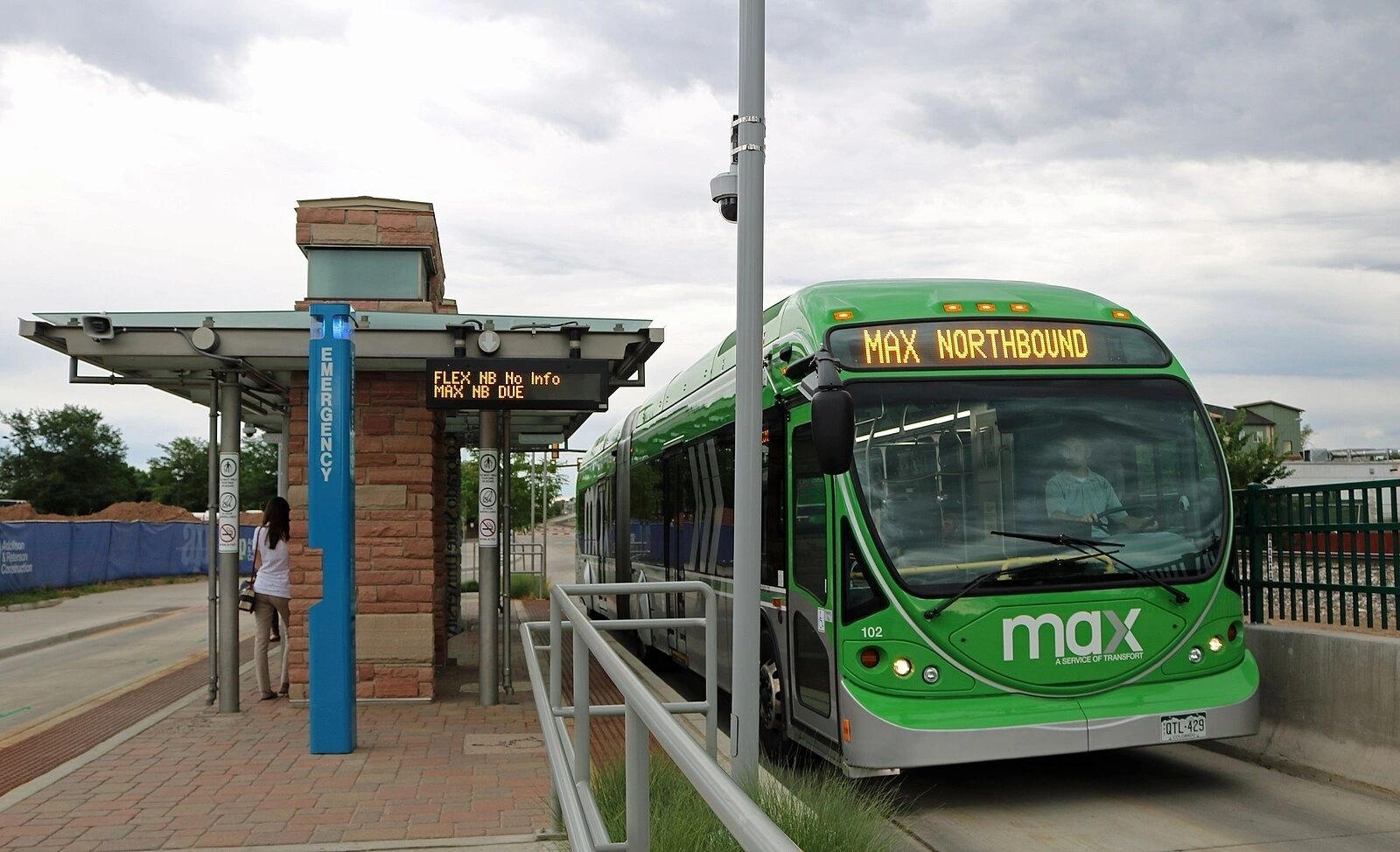
The proposal on the table? Bus Rapid Transit (BRT), a system advocates say could offer the speed and appeal of Lanley’s monorail—minus the collapse.
A coalition of local nonprofits, planners and advocates is launching a campaign to bring a BRT system to Worcester—a proposal they say could dramatically improve pedestrian safety, reduce traffic congestion, and expand access to jobs, schools, and services across the city.
The campaign, led by the Urban Attitudes Lab at Tufts University in partnership with Strong Towns Worcester, the Worcester Caribbean American Carnival Association, the Riders Action Council, and the Center for Living and Working, kicks off with a public forum Sunday, April 27, at 2 p.m. at the Major Taylor Museum, at 2 Main St. (in the Courthouse Lofts).
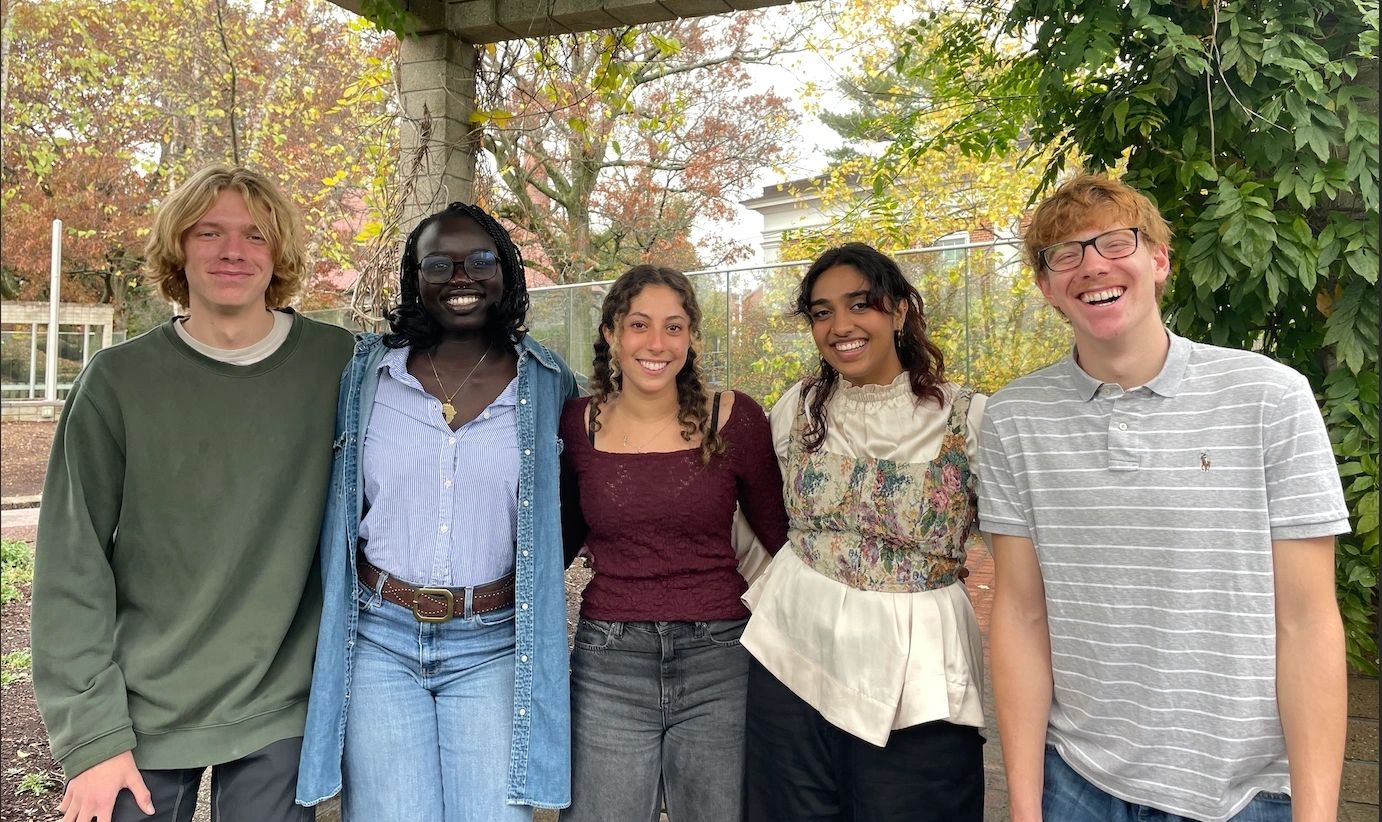
The timing is critical, according to the group. A citywide speed limit reduction to 25 mph went into effect earlier this month, following a spike in pedestrian crashes. “It is time Worcester officials prioritize the safety of pedestrians,” Tufts undergraduate Emilia Arabbo said in a press release. “The city must improve its public transit to accommodate for the rapidly accelerating population growth.”
The BRT concept envisions buses operating in dedicated center lanes with level boarding platforms, priority at traffic lights, and frequent 10-minute service intervals—features aimed at creating a faster, more accessible and efficient transit experience than the city’s current offerings. The system would use Worcester’s existing roadway infrastructure, including streets that once supported a streetcar network.
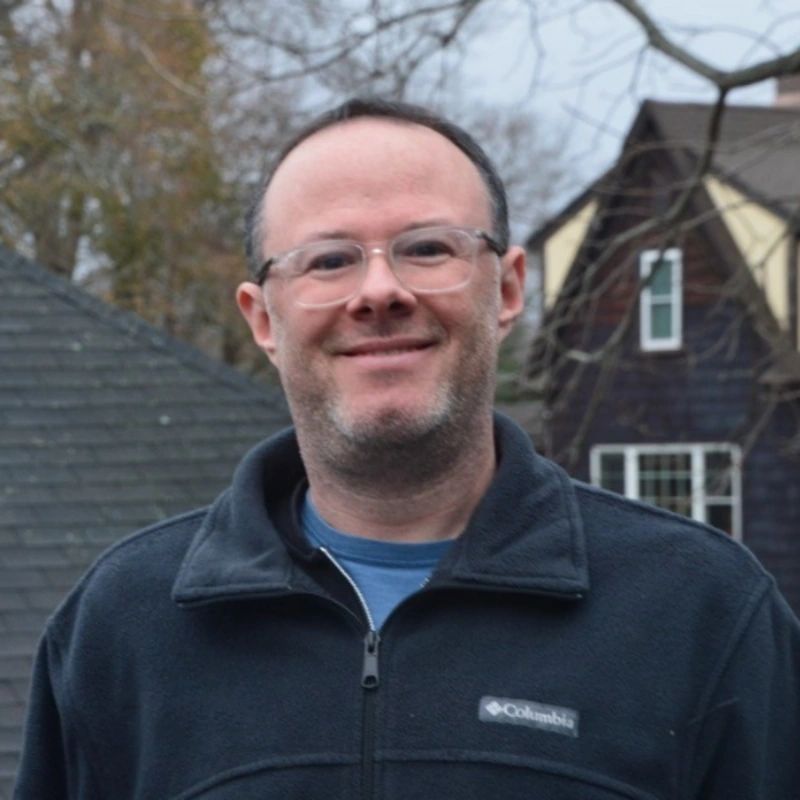
Tufts University Professor Justin Hollander of the Urban Attitudes Lab explained to the Worcester Guardian why Worcester became a focus for this proposal. “Many of us are familiar with Worcester and think it is such a terrific city, but really hard to get around without a car,” Hollander said. “We’ve heard stories about the WRTA [Worcester Regional Transit Authority] being unreliable and slow and were inspired about how express buses have really transformed other similar cities.”
Hollander believes misconceptions about BRT could slow momentum. “People might not understand how a Bus Rapid Transit system could make it really easy to get around the city,” he said. “This kind of bus network comes really frequently and can be more attractive (and less expensive) than driving or using Uber.”
The proposed system wouldn’t replace the WRTA, but would work alongside it to serve densely populated neighborhoods and key destinations. For example, Hollander pointed out that someone commuting from Worcester State University to UMass Memorial on Lake Ave. today might face more than an hour of travel time with WRTA buses or more than 30 minutes by car.
“With a Bus Rapid Transit system, that trip could take as little as 20 minutes, with dedicated lanes to minimize traffic,” he said.
Sunday’s forum is designed to foster discussion about how BRT could integrate with the WRTA and what it would take to fund and implement the system. Hollander said the team wants to engage residents in shaping the vision and ensuring that upgrades maintain fare-free access—a concern some residents have raised. Worcester State University’s Binienda Center is helping to host the event, and students from the university also present their research.
“Our bigger goal is to engage in a dialog around what works well with the current WRTA system, how it can be improved, and what will it take to make that happen,” he said.
The coalition encourages residents to connect on social media and share feedback directly, but hopes for strong turnout at the event to build momentum.
For more information on the campaign, visit the coalition’s website or follow Real Rapid Transit Worcester on Facebook and Instagram. Listen here to Hollander’s recent interview with Hank Stolz on Radio Worcester.
Have news, tips, or a story worth telling? Reach Editor Charlene Arsenault at carsenault@theworcesterguardian.org—because good stories (and great scoops) deserve to be shared.
The Worcester Guardian is an independent nonprofit news organization. Support local journalism by making a DONATION today.
