
WORCESTER— Imagine recovering from a medical condition in the comfort of your own bed—no noisy beeping, no buzzing machines, no hospital roommates, and no midnight interruptions.
Imagine no more. It’s a thing.
The University of Massachusetts Medical Center has added a Postpartum at Home program to its repertoire of offerings designed to provide more comfortable patient care while tackling Central Massachusetts’ hospital bed deficiency crisis.
“It is not uncommon for our medical centers to have up to 70 patients boarding in our ER department waiting for a bed,” said Dr. Constantinos Michaelidis, medical director of the Hospital at Home program. “It’s not an experience we want for our loved ones or ourselves.”
The postpartum program is “building on the good work,” of at home programs for the emergency department, subacute rehabilitation and post-surgical.
In each case, a nurse or paramedic is deployed to the home two or three times per day to care for the patient, a physician connects via video and the same level of care is provided but in familiar surroundings.
Typically, new mothers are discharged a day or so following vaginal births and three or four days after a C-section, once the newborn achieves certain milestones.
“C-sections are surgical procedures so we want to provide incision care, pain management, lactation support…anything the mother would receive in a brick-and-mortar hospital,” Michaelidis said.
Patients enrolled in all the home programs are transported from the hospital by ambulance at no extra charge and met by a nurse upon arrival to begin 24/7 monitoring. The nurse brings a tablet, food, medications, IV fluids, blood pressure cuffs or anything else patients need pertinent to their condition.
Michaelidis said patients like new moms thrive in the home setting because they are more likely to get up and move around more, sleep better and feel more at ease than they would at a hospital.
An added advantage, Michaelidis said, is that the caregiver can gain insight into a patient’s challenges, such as food insecurity, difficulties getting to medical appointments because of transportation issues, an inability to pay for medications and more.
That knowledge ultimately leads to better outcomes, he said.
In general, caring for a patient at home has a host of other advantages including fewer hospital infections, blood clots and readmissions, lower mortality and greater patient satisfaction, Michaelidis said.
Patient satisfaction metrics “in a good month,” have percentages in the 70s who would recommend the hospital versus scores in the 90-92% range for at home programs, he said.
“That’s really awesome and a testament to the whole team,” the medical director said.
Michaelidis explained that all the medics, nurses and physicians in the 50-person team are acute care experts who have experience working in hospitals and apply that knowledge to the home settings.
“What is so great is that because patients are so much happier in the home, they express a lot of gratitude to our team instead of telling them how miserable they are in the hospital,” he noted. “Instead, they hear, `I love you…Don’t ever leave.’”
Not only are patients happier, but staff is as well—with no turnover.
Michaelidis said an unfortunate reality in hospitals is “an epidemic of violence,” toward caregivers, something the at home program personnel do not experience.
Dr. Dejah Judelson is a Westborough mom of three, all born by C-section.
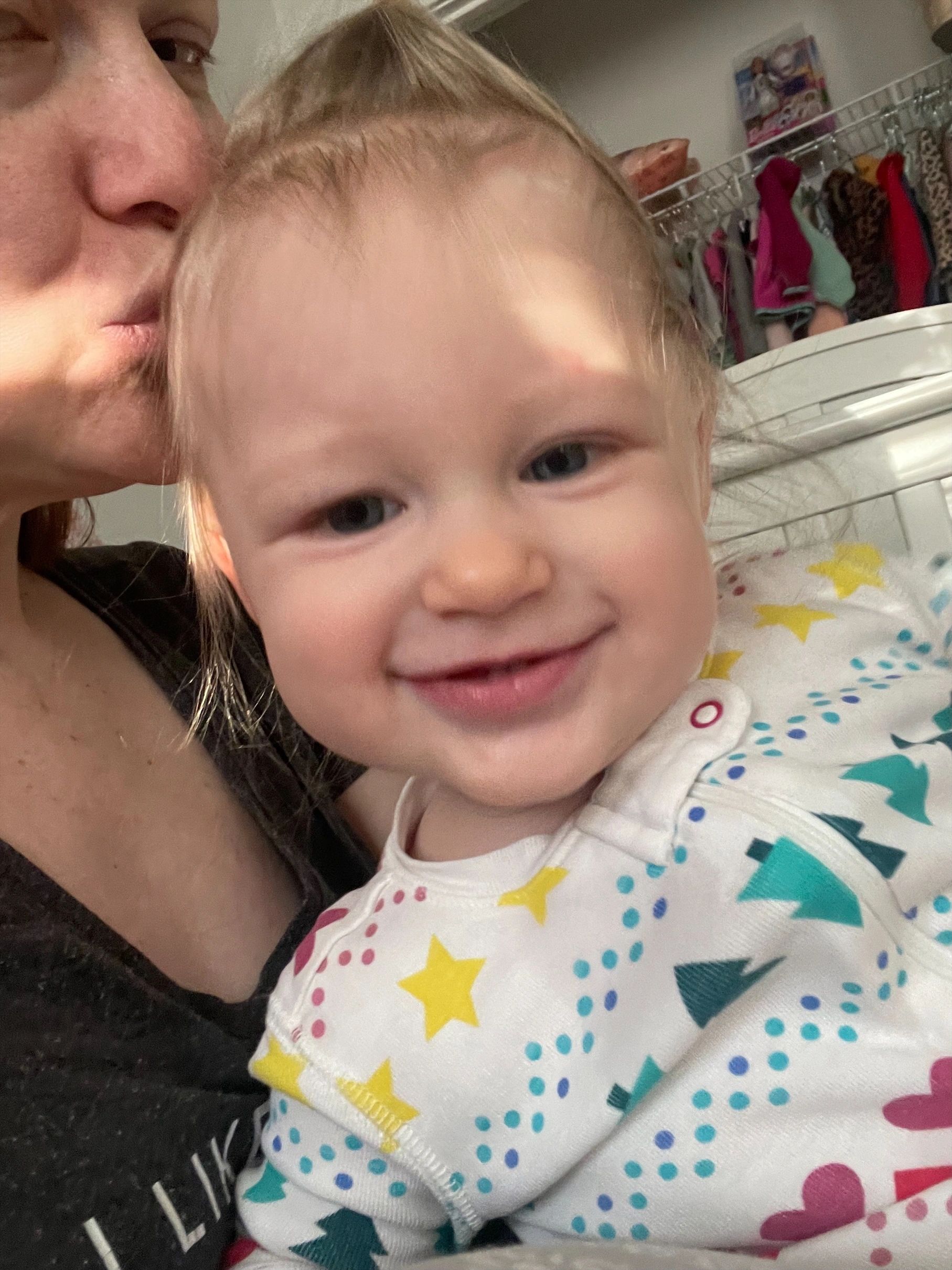
She said she chose the Postpartum Hospital at Home program because she wanted to recover in a familiar space with her other children and husband when Darcy was born in March last year.
She said receiving the same care but being able to relax at home made all the difference in her recovery.
“The nurses were amazing and it was reassuring to know I could easily check in with my care team whenever I needed. It really helped me feel comfortable and supported,” she said.
To participate in the at-home programs, which last month reached a 3,000-patient milestone, all that is required is a home, running water and electricity, Michaelidis said.
“There is a misconception that those eligible have to live in mansions with a Ferrari out front and that is not true,” he said. “In fact, the most disadvantaged patients have the best outcomes with resources brought to them.”
The program serves patients 90 miles in each direction, meaning almost to the Connecticut and New Hampshire borders. Michaelidis said 85-95% patients requiring hospitalization at UMass Medical Center are eligible for home care based on their locations.
Also in the early trial stages, Michaelidis explained, is the Mass Health subacute rehab program, which sends a hospital bed as well as physical and occupational therapy services to the home along with a certified nursing assistant.
The idea is to provide an alternative to nursing homes or other rehab facilities post discharge when the patient is still very weak and de-conditioned. So far, 37 patients have participated.
The medical director said they would like to see all the at home services expand to their Health Alliance facility in Worcester County, but that will depend on an act of Congress.
A waiver in 2020 allowing for the Hospital at Home Program is set to expire on March 31.
“It’s a really big deal Congress extends it for our moms and other at home hospital patients,” Michaelidis added.
Susan Gonsalves is currently editor-in-chief of a mental health trade journal and a freelance writer/editor specializing in education, medical/health and business. She previously worked at the University of Massachusetts Dartmouth and has contributed to publications at Worcester Polytechnic Institute and College of the Holy Cross. At the Worcester Telegram, she covered the town of Leicester and wrote for Business Matters. She can be reached at smgedit@comcast.net
Have news, tips, or a story worth telling? A good recipe or a funny joke? Reach Editor Charlene Arsenault at carsenault@theworcesterguardian.org—because good stories (and great scoops) deserve to be shared.
- The Worcester Guardian is an independent nonprofit news organization. Support local journalism by making a DONATION today.