
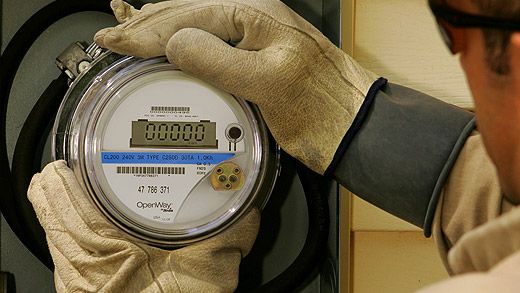
National Grid says it has installed more than 500,000 smart meters across Massachusetts, marking a key step in its effort to modernize the electric grid and expand digital monitoring of energy use.
The milestone represents roughly one-third of the company’s planned rollout, which aims to replace traditional electric meters for about 1.4 million customers statewide by the end of 2027.
Smart meters record electricity usage in near real time and transmit that data back to the utility, allowing customers to track their energy use in shorter intervals and utilities to respond more quickly to outages.
“Reaching 500,000 installed smart meters is an important achievement for our customers and our company,” Dan Tripp, National Grid’s vice president for customer process and performance, said in the announcement. “This technology puts customers in control by providing clear, timely insight into their energy use, helping them make informed decisions to manage consumption and costs.”
According to the company, customers can view their electricity usage in 15-minute increments through an online portal, offering a more detailed look at daily patterns than traditional monthly billing cycles.
The technology also allows the utility to detect outages more quickly. Smart meters automatically send a signal when power is lost, giving crews more precise information about where service disruptions are occurring.
National Grid said installations have been increasing month to month, with the program part of a broader effort to improve grid reliability and efficiency. The company also cited operational changes, including fewer estimated bills and faster service connections, as benefits of the new system.
The 500,000th installation took place in Medford, where more than 9,000 meters have been deployed so far.
The rollout comes as utilities nationwide invest in grid upgrades aimed at improving reliability and adapting to changing energy demands, including increased electrification and the growth of renewable power sources.
