
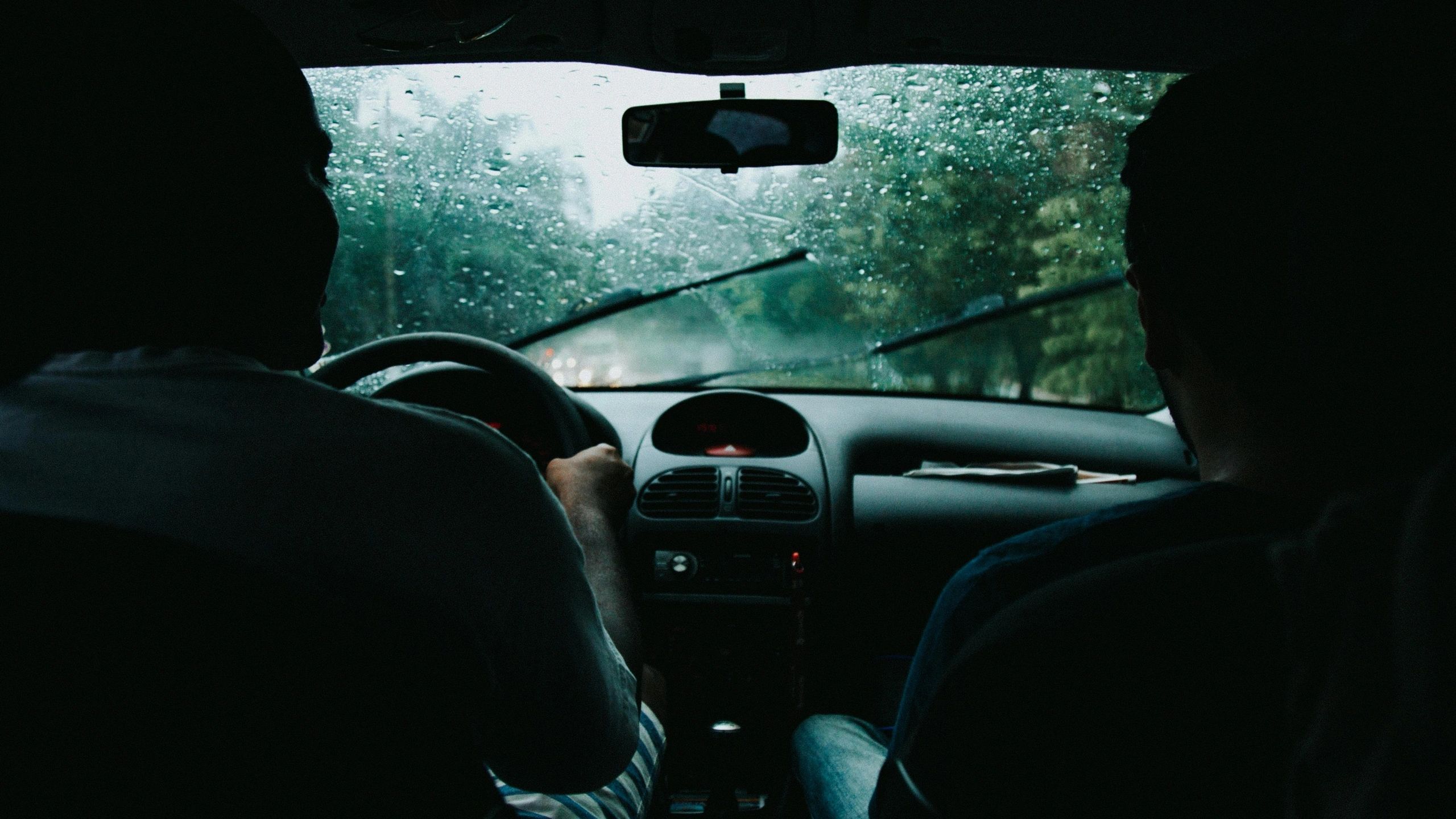
WORCESTER—Lots of people avoid driving in the rain, and unpack the concern as a reason to skip events or gatherings. But fear of wet weather and driving are valid, especially during the spring when rainfall increases in many regions.
According to a recent report, rainy conditions contribute to hundreds of thousands of crashes annually nationwide. In 2021 alone, the National Highway Traffic Safety Administration reported 539,290 crashes, resulting in 143,523 injuries and more than 2,600 deaths. During the 2017 to 2021 time period, an average of 1,044 fatalities and 87,455 injuries occurred annually in crashes on wet roads during meteorological spring.
In Massachusetts, a AAA analysis of state crash data revealed that between 2021 and 2023, rainy weather contributed to 63 fatalities and over 27,000 crashes. In Worcester County, during that period, there were 3,606 crashes due to rainy weather, resulting in 749 injuries and 10 fatalities.
In Worcester, 799 crashes recorded between 2021 and 2023 list rain as a factor, with 583 causing property damage, 214 that caused injuries, and two resulting in death.
“A wet road is a treacherous road, even after a gentle sprinkle,” said Mark Schieldrop, senior spokesperson for AAA Northeast, in a statement. “As little as one-twelfth of an inch of water can cause new tires to lose traction with the road at speeds as low as 35 mph. When it rains, slow down and give yourself extra room to stop.”
AAA offers some tips for driving in the rain:
- Remember that tires are the most important safety equipment. Compared to new tires, worn-out tires require an additional 87 feet to stop from 60 mph on wet roads – the length of a semi-truck, according to AAA research. When the new tires have already stopped, the worn tires are still traveling at 40 mph. Check your tires and replace them if the tread depth is below 4/32”. Check tread depth with a quarter inserted upside down into the tire groove. If you can see above Washington’s head, it’s time to start shopping for new tires. To keep your tires in good condition, check tire pressure regularly and keep them properly inflated using the recommended pressure listed on the decal on the driver’s door sill.
- Improve visibility and stay visible. Wet roads aren’t the only danger when it rains. Rainfall reduces visibility, too. Replace streaking, chattering, and worn-out wiper blades in the spring. Clean the windshield with a solution that’s safe for automotive finishes and seals, and don’t forget to clean the inside of the windshield with a car-safe glass cleaner and microfiber cloth. Spring is also a good time to wash winter grit and grime from the exterior of a vehicle, which creates an opportunity to check the condition of headlights and lenses. Aging headlight plastics can yellow and discolor over time: products are available to refinish and reseal them.
- Don’t rely on safety technology in the rain. Modern advanced driver assistance technologies can trigger false positives or simply stop working in the rain. AAA research on lane-keeping assistance and automatic emergency braking systems found that both systems were impacted by moderate to heavy rainfall. Test vehicles traveling at 35 mph collided with a stopped vehicle in the lane ahead one-third of the time. Lane-keeping assistance struggled even more, with test vehicles departing their lanes 69 percent of the time. Cruise control should also be avoided on wet roads. To prevent loss of traction, the driver may need to reduce the car’s speed by lifting off the accelerator, which cannot be accomplished when cruise control is engaged.
- Slow down. Slowing down during wet weather reduces the risk of hydroplaning, when the tires ride on a film of water. Even with new tires, stopping distance increases and maneuverability decreases on wet pavement. Driving slower and increasing following distances is essential to avoid causing a crash.