
Massachusetts environmental and health officials are warning residents about the presence of Highly Pathogenic Avian Influenza (HPAI) H5N1, which is suspected in the deaths of both wild and domestic birds across several municipalities. While the virus rarely infects humans, officials are advising the public to take precautions and report suspected cases.
The Massachusetts Division of Fisheries and Wildlife (MassWildlife), the Massachusetts Department of Agricultural Resources (MDAR), and the Massachusetts Department of Public Health (DPH) issued an alert on Jan. 29 urging residents to avoid handling sick or dead birds and to report any concerning sightings.
“Since early 2022, Massachusetts has had recurring incidents of HPAI,” the state’s announcement noted. “In January 2025, an outbreak of HPAI was suspected of causing the death of Canada geese, swans, and other birds in Plymouth. Preliminary positive cases are being reported at other locations across the state.”
Officials emphasize that the virus is likely widespread and could be present even in areas without confirmed positive cases. They are collaborating with municipalities to safely dispose of dead birds and are working with partners to conduct testing.
Precautions for bird owners and the public
HPAI can infect both wild and domestic birds, with raptors, waterfowl, and other aquatic birds at the highest risk. Mammals that scavenge infected birds, such as foxes, may also be susceptible.
Residents are urged to take the following precautions:
- Avoid handling birds and wildlife: Do not touch sick or dead birds or other animals.
- Keep pets safe: Dogs should be leashed, and cats in affected areas should be kept indoors to avoid exposure.
- Report cases: Suspected outbreaks of five or more sick or dead wild birds should be reported to MassWildlife at mass.gov/reportbirds. Sick or dead poultry should be reported to MDAR’s Division of Animal Health at 617-626-1795 or via mass.gov/reportpoultry.
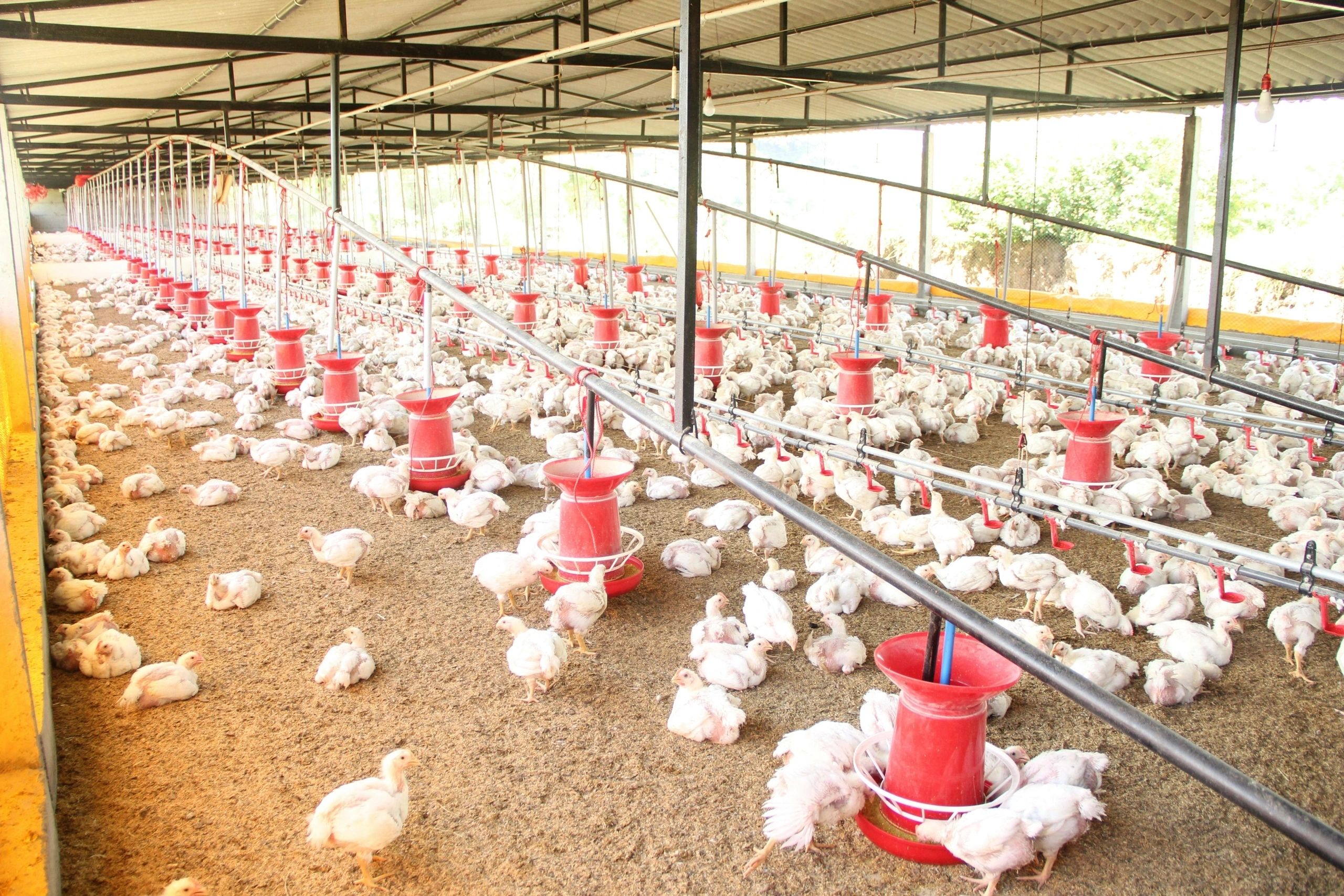
Poultry owners are advised to practice strict biosecurity measures, including preventing contact between domestic and wild birds, isolating new birds before introducing them to flocks, and minimizing movement of poultry between locations.
While human infection is rare, those with direct contact with infected animals are at the highest risk. Anyone with public health concerns regarding HPAI can visit DPH’s Avian Influenza webpage or call the Division of Epidemiology at 617-983-6800.
For more information, visit MDAR’s avian influenza webpage.
