
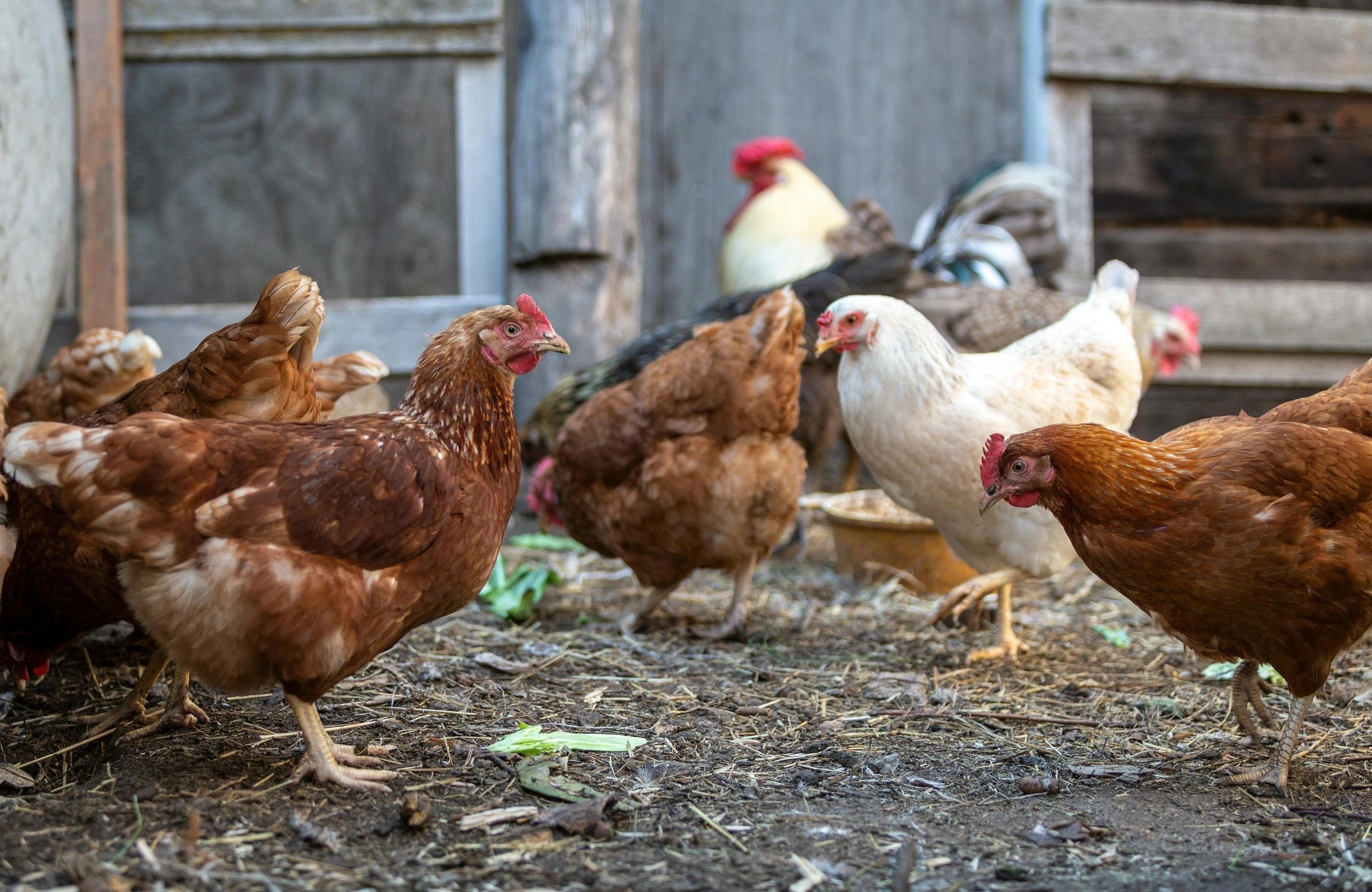
WORCESTER — After more than a year of debate, Worcester is finally taking a concrete step toward allowing backyard chickens.
The city council’s Economic Development Committee has requested a formal report on how other Massachusetts cities regulate urban chicken-keeping — a move that could lay the groundwork for Worcester’s first backyard hen ordinance.
The decision marks the most significant progress yet in a discussion that has stirred passionate opinions on both sides, with advocates citing food security and sustainability, and opponents raising concerns about rats, public health and enforcement.
“This isn’t a financial decision—it’s about stewardship,” said resident Joseph Mangiameli, who launched the movement with a citizen petition. He hopes to add chickens to his property, which already includes gardens and fruit trees. “I would really like to have chickens as well.”
The report will be prepared by the city’s Economic Development office in collaboration with the city solicitor and Inspectional Services. It will address zoning, permitting, health regulations and how enforcement could work in Worcester.
Chief Development Officer Peter Dunn noted that the city’s new Inspectional Services commissioner brings firsthand experience from Somerville — where backyard chickens are already permitted under local law.
Clashing viewpoints: rats, rights and roosters
While cities that include Boston, Fall River and New Bedford have successfully allowed urban chicken-keeping, Worcester has remained an outlier. Residents are deeply split.
Supporters, like longtime chicken-raiser Jennifer Gaskin, argue that the sustainability and self-sufficiency hens provide is worth dealing with any “down side.” “My experience has been overwhelmingly positive,” she said. “They eat ticks and fleas, and they give us fresh food.”
Others are less enthused. “Who’s going to regulate it? Who’s going to enforce it?” asked resident Ted Kostas, citing Worcester’s ongoing rat problem and potential health risks like salmonella outbreaks. Several councilors echoed enforcement concerns, noting that the city’s code department is already stretched thin.
Councilor Morris Bergman has perhaps been the most outspoken critic, arguing the practice is better suited for the suburbs than a dense urban core. “I like chickens,” he once quipped, “but I also like public health.”
History repeats itself: a flock of reports past
This isn’t the city’s first time crossing the road on this issue. The chicken proposal has ping-ponged between city departments since at least early 2023. A resident-led group, Chicken Up Worcester!, even submitted draft ordinances and research to the planning board—efforts that were largely shelved until now.
In May, the Planning Board once again recommended a version of Mangiameli’s petition. But rather than act, the City Council rerouted it to Economic Development for “further study”—to the frustration of some.
Councilor Etel Haxhiaj noted that a considerable amount of work had already been done. “It’s frustrating that we’re rehashing the same ground,” she said.
Egg prices, equity and what comes next
Public support for backyard hens has grown amid inflation and rising food costs. In March, the average cost of a dozen eggs topped $6 in Massachusetts—double the previous year’s average.
“I’m not expecting to save money immediately,” Mangiameli said back in February. “But this is about being able to feed your family and teach your kids where their food comes from.”
Still, councilors such as Kate Toomey have raised equity concerns, questioning whether lower-income residents can afford proper coops or meet regulations that may require land or homeownership. “It’s not cheap to do it properly,” she said, adding that any ordinance would need to avoid creating a backyard luxury only the well-off can enjoy.
Councilor Jenny Pacillo supports the effort but stressed the importance of structure. “We do need regulatory controls—a permitting process and probably zoning changes,” she said, expressing particular interest in Somerville’s approach.
The newly ordered report will attempt to answer those lingering questions and could form the basis of Worcester’s first official backyard chicken ordinance. No timeline has been set, but a public hearing is expected once the report is delivered.
Randy Stillman, a member of Chicken Up Worcester! (whose Facebook group has nearly 850 members), is among those hoping the city moves forward with approval. “My wife and I are hoping for this to pass so we can start raising hens of our own—two hens, since we are a family of three—and are looking to make ourselves more self-sufficient,” he told the Worcester Guardian.
Stillman, who lives near Holy Cross, says their fenced quarter-acre yard would be ideal for chickens and potentially even ducks down the road. “I believe if done responsibly, chicken ownership can be done safely, hygienically and with virtually zero intrusion on our neighbors.”
Until then, Worcester’s would-be chicken-keepers will have to wait just a little longer to rule the roost.
Matt Olszewski can be reached at mattoskier@gmail.com
