
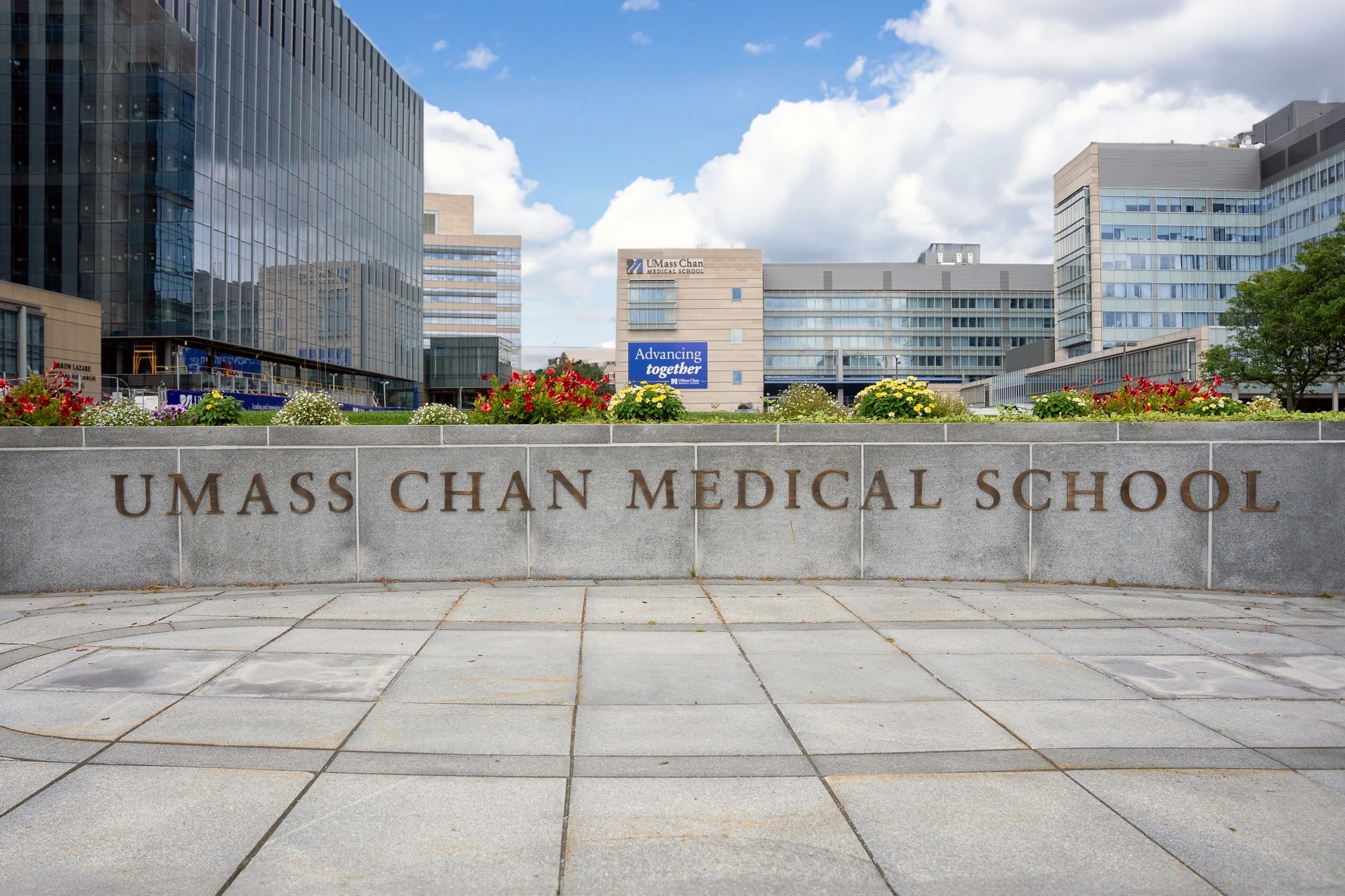
WORCESTER—UMass Chan Medical School has withdrawn admission offers to dozens of doctoral candidates who were accepted into the Morningside Graduate School of Biomedical Sciences’ fall 2025 program, citing severe uncertainties in federal research funding.
The medical school, part of the University of Massachusetts system, faces potential annual losses ranging from $40-50 million in biomedical research funding following the National Institutes of Health’s February funding reduction announcement. This development has been felt throughout the academic research community and forced institutions nationwide to make difficult decisions about their research programs.
“All grad admissions offers rescinded at my institution—UMass Chan Med School,” said Dr. Rachael Sirianni, a biomedical engineer in the Department of Neurological Surgery. “There is just no alternative. It’s a terrible loss for students. But it’s also a loss for all of science. Science runs on grad student labor. They get paid pennies to do highly skilled work.”
Sirianni added, “These are the people I work with making these decisions. The situation is heartbreaking. Public medical schools have no other choice; there is no other source of funding, and everyone in academia is at extreme risk right now.”
While a federal judge in Boston has temporarily blocked the NIH cuts following a lawsuit filed by 22 state attorneys general, including Massachusetts AG Andrea Campbell, the reprieve may be short-lived. UMass Chan leadership maintains that the legal decision doesn’t guarantee funding security, necessitating immediate action to protect the institution’s financial stability.
Dr. Michael F. Collins, chancellor and senior vice president for Health Sciences, and three other individuals at UMass Chan leadership explained, “With uncertainties related to the funding of biomedical research in this country, this difficult decision was made to ensure that our current students’ progress is not disrupted by the funding cuts and that we avoid matriculating students who may not have robust opportunities for dissertation research.”
The school has implemented a comprehensive series of cost-cutting measures. Effective immediately, all hiring has been paused, including positions for faculty, grant-funded research, and summer internships, with only ForHealth Consulting exempt from these restrictions. The institution has also suspended all promotions and raises, including the annual July 1 salary increase program. Furthermore, leadership has indicated that targeted furloughs and layoffs will be necessary to address the financial shortfall.
For students who received rescinded offers, the school has established a modified readmission process. These candidates can seek admission in future cycles under priority consideration without the need to submit a new application, according to a letter shared on social media platforms.
Current doctorate students in the Morningside program won’t be affected by these changes, and the same applies to students accepted into the medical school and graduate school of nursing. Additionally, UMass Chan is honoring acceptances for Morningside students who were also admitted to the medical school.
“UMass Chan is not alone in making such a decision,” UMass leadership said in a statement. “Numerous peer universities in the commonwealth and across the country are reducing or rescinding offers of admission as one means of controlling spending during a highly uncertain time. Traditionally, Ph.D. candidates do not pay tuition but, rather, earn a stipend that is funded by research grants.”
A student who got rejected by UMass Chan and requested to remain anonymous, commented on their personal situation: “I really don’t faulty UMass Chan leadership. Sure they could have acted sooner, but they did act quickly compared to other schools who still have not made any large announcements. I feel like the people who had actual rescinded offers were therefore affected more than me.”
The ripple effects of the funding crisis are being felt across major research institutions. Duke University, which received $580 million in NIH grants and contracts last year, has announced a 23 percent reduction in biomedical PhD student admissions. The institution has also implemented hiring freezes and scaled back research plans in response to the funding uncertainty.
The crisis stems from the Trump administration’s new policies affecting biomedical research funding, including a halt on new grant funding and proposed cuts to indirect research costs. These indirect costs are crucial for maintaining laboratory space and supporting administrative functions essential to research operations.
“The reason many of us are alive today is because healthcare research has contributed significantly to reducing the infant mortality rate from 14% in 1925 to 0.5% in 2025, and life expectancy from 60 years to 79 years,” said Domenic Corey, senior lecturer and EMT program director at Northeastern University. “I challenge anyone to look around them at their family and friends and think about how their lives would be different without discoveries like insulin, modern antibiotics, cardiac stents, ultrasound, anesthesia to enable surgeries… the list goes on.
“People are behind these innovations, and without funding people can’t afford to dedicate their lives and expertise to continuing to improve health for everyone. Slowing down research slows down both discoveries and the translation of these new ideas into clinical practice. These consequences affect individuals, families, and our communities.”
Adding to the complexity of the situation, UMass Chan leadership noted that “research faculty are reporting a slowdown of federal study section meetings and council reviews – both of which are required for grant awards to be issued – which has decelerated new grant awards.”
For institutions that rely heavily on federal research funding, these developments represent a significant challenge to their research programs and their ability to train the next generation of biomedical scientists. The situation has prompted discussions about the long-term sustainability of biomedical research funding in American academic institutions and the potential impact on scientific advancement in the United States.
Where bargaining units are affected by these changes, UMass Chan has committed to engaging in necessary negotiations before implementing any material changes to existing agreements, demonstrating the far-reaching implications of this funding crisis on all aspects of academic research operations.
“Through this uncertain time, be assured that executive leaders are in close communication and working through these challenges with department chairs and other leaders across our organization, while also continuing to advocate for the lifesaving and life-enhancing benefits that we know biomedical research offers people across the commonwealth and around the world,” said the UMass Chan statement.
Matt Olszewski is a freelance content and news writer based in Boston, MA. In his free time, Matt enjoys running, hiking or skiing. Matt just graduated with his MPH from Tufts University. He can be reached at mattoskier@gmail.com