
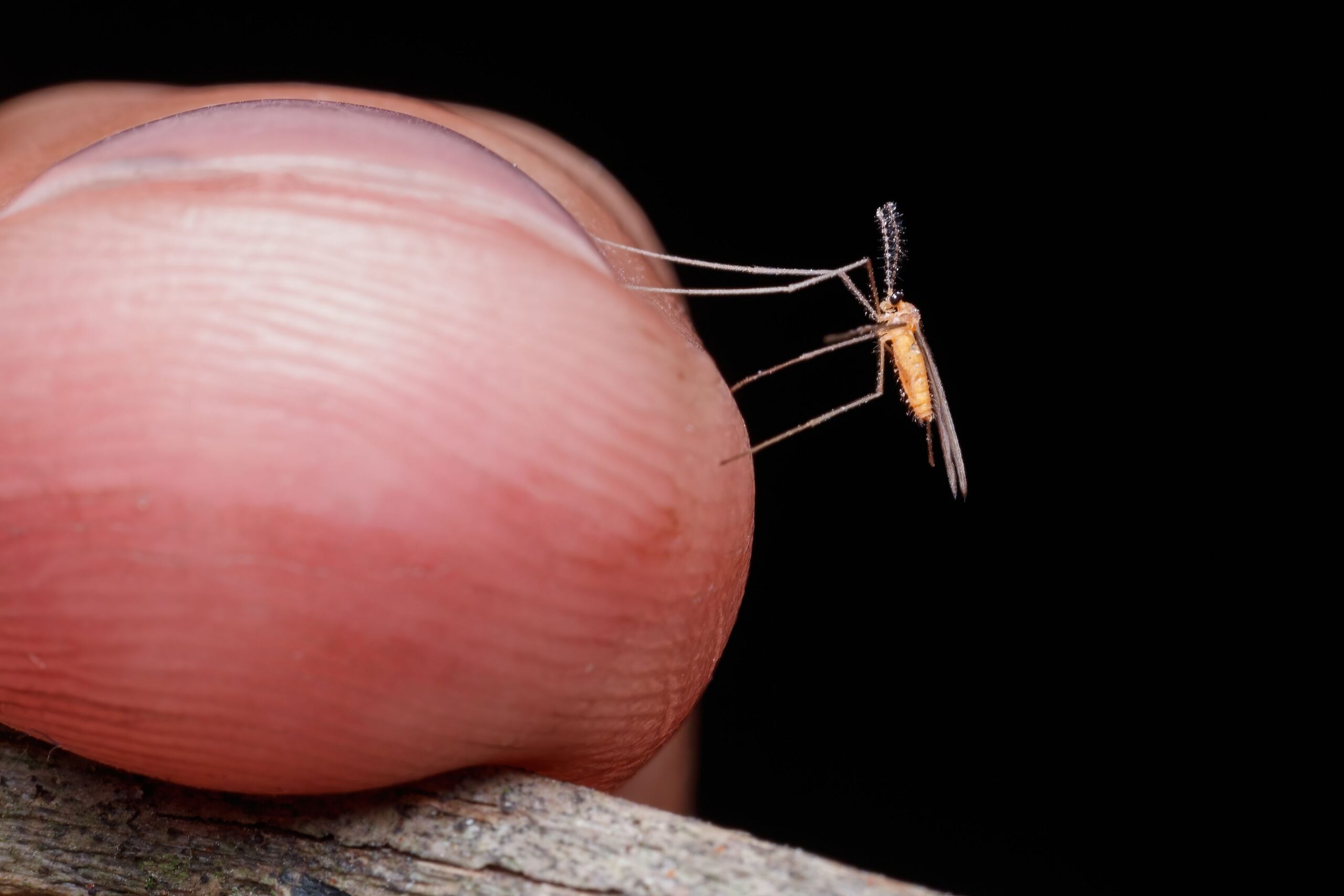
Mosquitoes carrying West Nile virus have again been detected in Worcester, prompting targeted pesticide spraying this week as health officials work to reduce the risk of transmission during peak mosquito season.
The Massachusetts Department of Public Health announced that West Nile virus was identified in mosquitoes collected from a trap site in the city. In response, the Central Massachusetts Mosquito Control Project plans to conduct truck-mounted pesticide spraying on Thursday, July 23, weather permitting, in the general area where the infected mosquitoes were found.
The city’s West Nile virus risk level remains low, say officials, and no human cases in Worcester were reported.
Additional mosquito control spraying is tentatively scheduled for Aug. 4, 11, 18 and 25, although those dates could change based on weather, mosquito populations, virus activity or other factors.
Residents living in neighborhoods scheduled for spraying will be notified through ALERTWorcester by text message, email and social media. Officials encourage residents to ensure their contact information is current if they want to receive notifications.
The discovery comes as state and local health officials continue monitoring mosquito populations for West Nile virus and eastern equine encephalitis during the summer months.
Residents in areas being sprayed are advised to remain indoors during the application and for 15 to 20 minutes afterward, keep pets inside between sunset and midnight, close street-facing windows, turn off outside-air settings on air conditioners and thoroughly wash vegetables from home gardens before eating them.
Officials also continue to encourage residents to reduce mosquito breeding by draining standing water around their homes and to protect themselves from bites by wearing long sleeves and pants when possible, using insect repellent containing DEET and limiting outdoor activity during dawn and dusk, when mosquitoes are most active.
According to the announcement, most people infected with West Nile virus develop no symptoms. Others may experience fever or flu-like illness, while severe illness is uncommon but occurs more often in adults over age 50.
The Worcester Division of Public Health said it continues to work with the Massachusetts Department of Public Health and other agencies to monitor mosquito-borne illnesses and would follow its standard case management procedures if a human case is identified.
Residents who wish to opt out of wide-area pesticide applications may do so through the Massachusetts Department of Agricultural Resources.
