
Addiction treatment can help people stabilize their lives, but lasting recovery often depends on what happens afterward: finding a safe place to live, securing a job and building a support system that can help prevent a return to substance use.
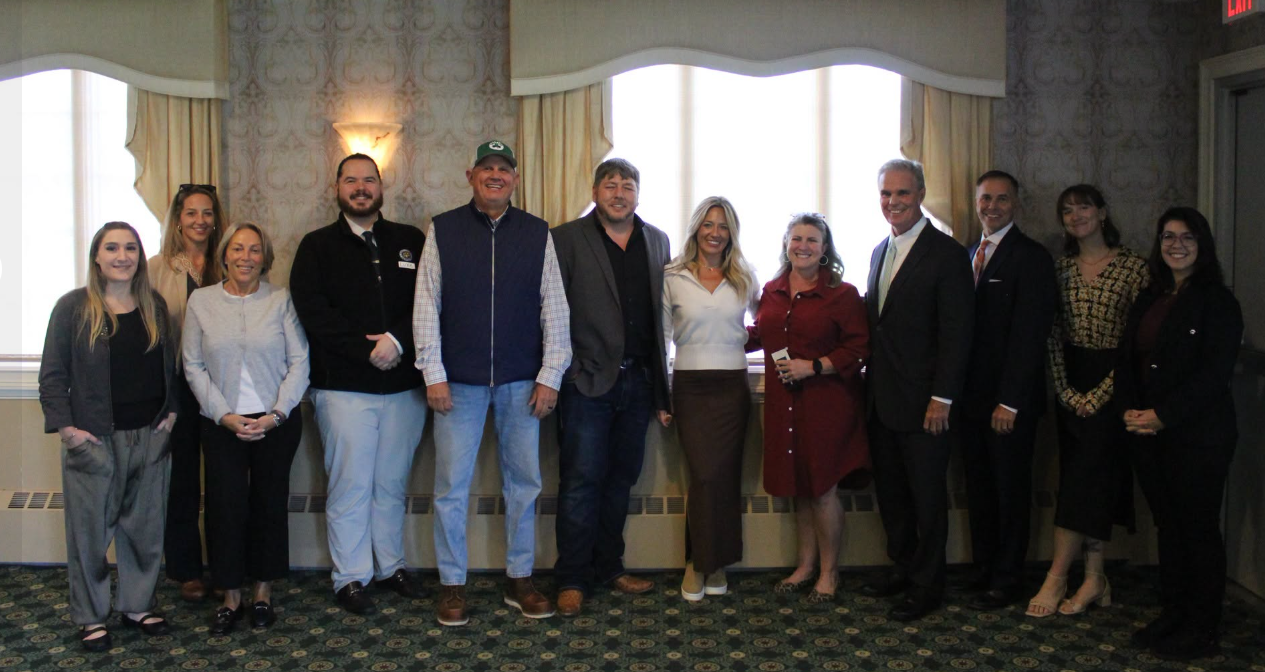
That was a central message Wednesday as Worcester County District Attorney Joseph D. Early Jr. brought addiction recovery advocates together for the Prevention and Support Network’s annual event, focusing on how communities can better support people struggling with substance use disorders.
The Oct. 14 gathering featured Dr. Stephen Loyd, chief medical officer at Cedar Recovery and the physician whose experiences inspired a character portrayed by Michael Keaton in the Hulu series “Dopesick,” and Troy Sandifer, founder and CEO of H.U.S.T.L.E. Recovery, a Tennessee-based organization that connects people with addiction treatment, housing and employment opportunities.
Both speakers drew on their personal experiences with addiction and recovery to emphasize that medical treatment alone is often insufficient to help people rebuild their lives.
“Treatment is not recovery. Treatment is stabilization. Recovery begins after treatment,” Sandifer said, according to a news release from Early’s office.
Sandifer discussed his organization’s approach to helping people transition from treatment into more stable living arrangements. H.U.S.T.L.E., which stands for How U Survive This Life Everyday, uses a respite housing model and connects participants with recovery services and employment opportunities.
His work grew out of his own experiences with addiction and the criminal justice system, which he described as motivating his commitment to helping others find a path toward recovery.
Loyd, meanwhile, discussed the medical and psychological factors that can contribute to addiction, including genetics, trauma and underlying mental health conditions.
Drawing on his experience as both a physician and a person in recovery, he emphasized the importance of addressing those underlying factors rather than focusing solely on substance use. He also spoke about breaking generational cycles of addiction and helping families avoid repeating patterns that can contribute to substance use disorders.
The discussion reflected a broader approach to the opioid crisis that extends beyond arrests and prosecution, emphasizing coordination among law enforcement, treatment providers and community organizations.
“These leaders came up from Tennessee to offer our community successful programs that help save lives,” said Early. “Their work interrupts death. They shared with us the importance of having people with real-life, lived experience help people overcome this disease and improve public safety.”
The event also gave members of Worcester County’s Prevention and Support Network an opportunity to consider whether approaches used elsewhere, particularly programs connecting people in early recovery with housing and employment, could inform local efforts.
Early established the Central Massachusetts Opioid Taskforce in 2015 to bring together law enforcement, health professionals and community organizations responding to the region’s opioid crisis.
The initiative later became the Prevention and Support Network, expanding its collaborative focus on substance use, trauma, mental health and recovery support throughout Worcester County.