
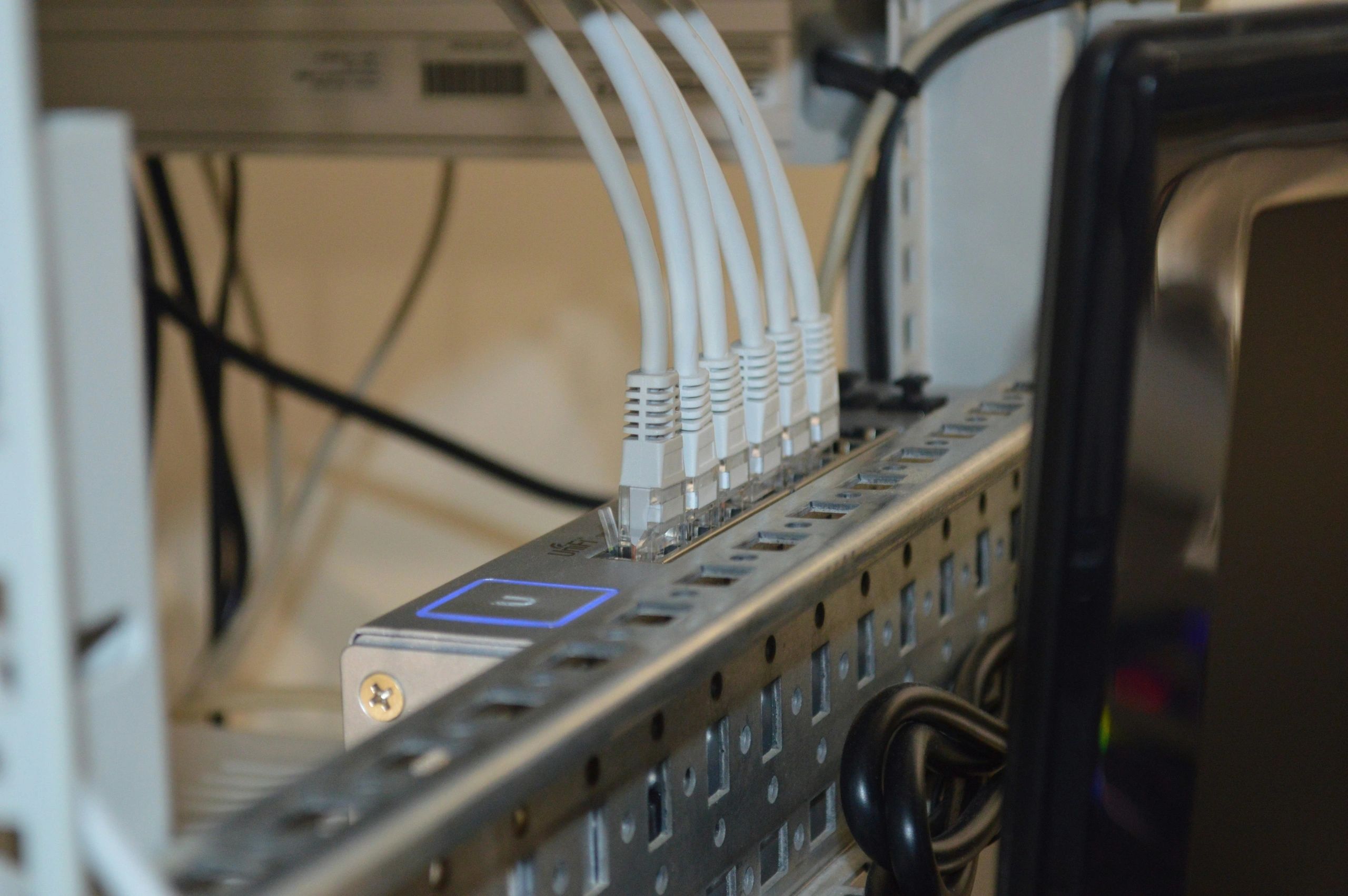
WORCESTER—City leaders are taking significant steps to address the growing issue of digital inequity among its diverse population. A recent comprehensive study, conducted as part of the Municipal Digital Equity Planning Program through the Massachusetts Broadband Institute (MBI), sheds some light on the city’s digital landscape and proposes solutions to bridge the widening divide within it.
The Standing Committee on Urban Technologies, Innovation and Environment met on Tuesday, Sept. 17, to discuss further information and progress towards digital equity.
The study, led by the Central Massachusetts Regional Planning Commission (CMRPC), involved extensive community engagement that included surveys, meetings with more than 15 community groups and stakeholders, and three public workshops.
Jordan Hollinger, a planner with CMRPC, emphasized the urgency of the situation: “We recognize that not everybody is fully prepared, whether it be through device access or digital skills, to fully participate in society. That was really amplified during the COVID-19 pandemic, but that’s why we’re here and why we’re talking about digital equity.”
The findings reveal a stark digital divide affecting various demographics in Worcester, particularly senior citizens and recent immigrants. More than 5,600 Worcester households, representing 7.1 percent of the total, do not own any computing device, putting these residents at a significant disadvantage in accessing essential online services.
“When people think about one critical device that they need, it always came down to cell phones,” said Hollinger. “There are constraints to that, though. Certain websites don’t work well on a cell phone, and forms are difficult to fill out online via a cell phone. Someone may need a cell phone to survive, but to fully participate in society, it may include other devices as well.”
The study also uncovered concerns about online safety and public health. Hollinger noted, “We heard a lot about issues regarding online safety, specifically online scams. These are targeting people of all ages and skill levels. We also heard some concern around the public health considerations of our increasingly connected nature of our everyday lives, especially around young people.”
High internet costs and a lack of service providers emerged as overarching themes. City officials, including councilor George Russell, expressed frustration with Spectrum–the dominant internet service provider–citing its perceived lack of support for residents. Despite these challenges, the report highlighted Worcester’s strengths, including its numerous educational institutions, an actively involved public library and public school system, and engaged city leadership.
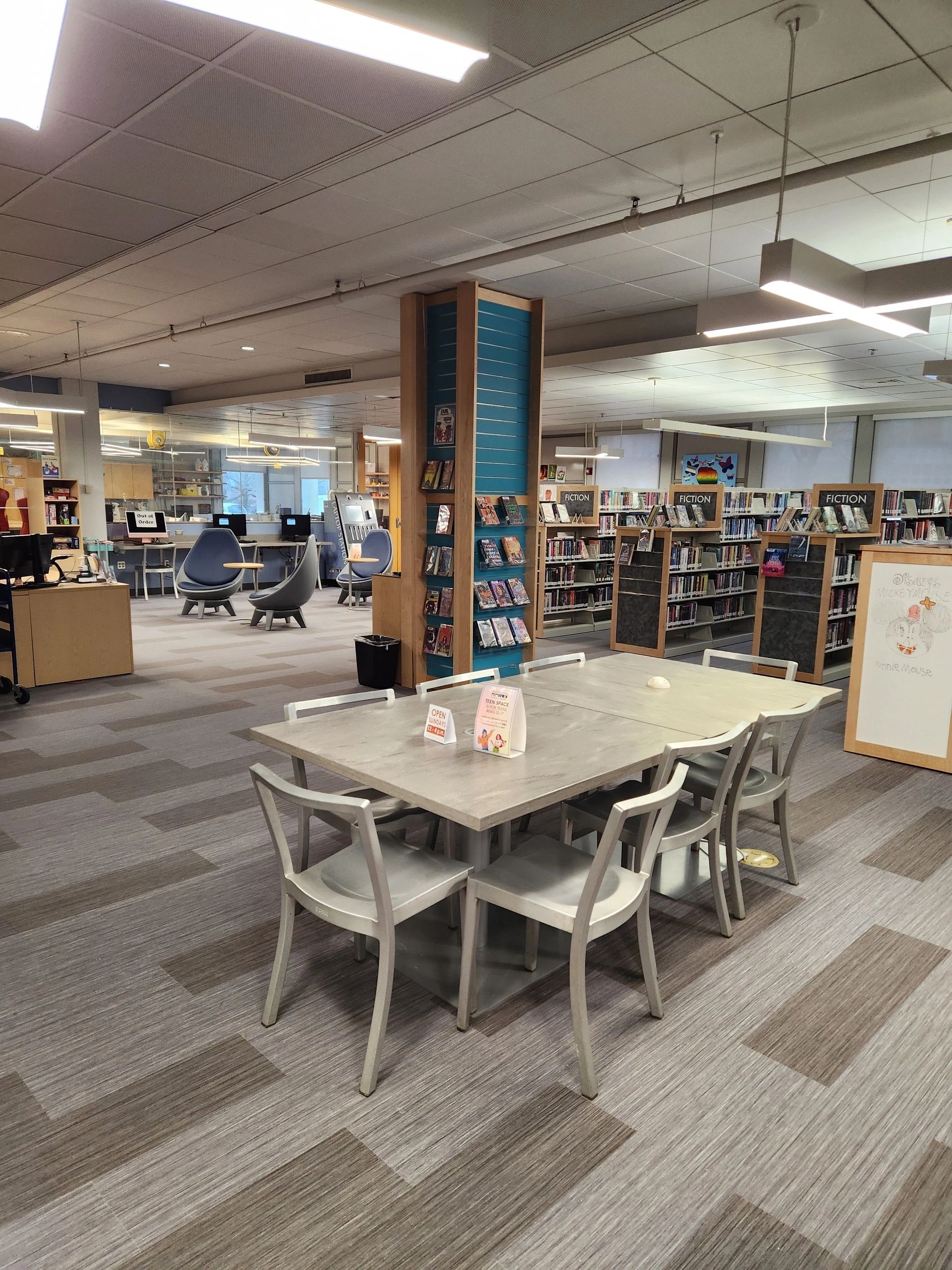
The Worcester Public Library, a key player in the city’s digital equity efforts, recently received a $100,000 implementation grant from MBI. “We’re ready to take on the mantle of digital navigator,” said Jason Homer, executive director of the library. “We’ll be using some of the $100,000 that we got through MBI to make some of those previous points listed come to fruition.”
Homer detailed several initiatives: “We’ll be doubling our hotspot lending program to figure out how to best expand our computer program right now. We’re overjoyed with the work of the library being pervasive throughout the CMRPC report.” He added, “We’re hoping to leverage our branches to be places for digital literacy instruction, hoping to leverage our bookmobiles to increase digital literacy among our community. This doesn’t solve the broadband part of the conversation though.”
The library is also expanding its reach: “We’re getting materials to do more of mobile digital literacy clinics. We can pack up laptops and bring them to places and do digital literacy instruction elsewhere. We’re also looking to find some partners to find ways to reduce the cost of the internet in any way we can.”
Homer stressed the library’s commitment to securing additional resources: “We’re actively looking at other grants, such as federal grants, to actually make an even bigger impact.” He also stressed the importance of community involvement: “We’re starting more coalition building so we can have more people come to the table, specifically those in charge of nonprofits serving those who have been traditionally marginalized. We want them to tell us what their people need. We plan to have classes in different languages and deliver real concrete ability to get access to the internet that they’ve never had.”
Homer said that he sees real potential to help build connections for our community and increase equity, ensuring they aren’t leaving those who have been historically marginalized out of the conversation. “If you’re in an organization that has people who need access to this, you have to reach out to us!” he said.
To address these challenges, the report recommends creating a Digital Equity Coalition to coordinate efforts and implement programs. CMRPC also suggests establishing a Digital Navigator program. Hollinger explained, “People want to see other people in this space, especially when they’re looking at learning how to do something on a particular device. That’s what the role of the digital navigator is supposed to be. Someone who can work across these areas of access and help people on the ground.”
Russell advocated for immediate action, stating, “There is no reason why we should not have networks set up, at least in our poor urban areas, where people can have a free Wi-Fi connection. We should be able to deliver that quickly, without any charge to the residents nearby.”
With continued collaboration between local government, educational institutions, and community organizations, Worcester will continue to try and ensure that residents can fully participate in the digital age. According to Homer, the Worcester Public Library will soon be able to release the names of the organizations they’re discussing digital equity partnerships with.
Matt Olszewski is a freelance content and news writer based in Boston, MA. In his free time, Matt enjoys running, hiking or skiing. Matt is currently finishing up the MPH degree program at Tufts University. He can be reached at mattoskier@gmail.com
As the Worcester Guardian marks nearly a year of delivering free, independent digital news to our city, our dedication to this mission strengthens. Please consider a tax-deductible donation to support our ongoing commitment to providing hyperlocal news coverage to Worcester. Scroll to the bottom of our home page to sign up for our daily newsletter
