

WORCESTER—Enrollment in Worcester’s Head Start program has remained consistently strong over the past three years, even as the district navigates rising costs, staffing challenges and uncertainty around federal funding.
Worcester Public Schools officials shared the update during an April 30 meeting of the Standing Committee on Teaching, Learning and Student Supports, where members reviewed new data on the federally funded early childhood program.
The report showed monthly enrollment ranging from 360 to 416 students—the program’s current capacity—between May 2023 and February 2026. Data for March and April 2026 was not included.
Head Start provides preschool services to income-eligible families and is widely viewed as a critical entry point into the school system for many Worcester children.
The district operates four Head Start sites—Greendale, Millbury Street and Mill Swan A and B—with the Millbury Street location offering the most slots at 119 and maintaining the largest waiting list, with 24 children.
Despite stable grant funding, officials said the program has faced mounting financial and operational pressures. Rising utility costs and required cost-of-living adjustments have led to a reduction in classrooms, while staff retention remains a challenge as employees leave for higher-paying positions within the broader school system.
Program leaders also pointed to eligibility constraints tied to federal income guidelines, which do not always reflect Worcester’s rising cost of living. As a result, some families no longer qualify despite facing ongoing financial strain.
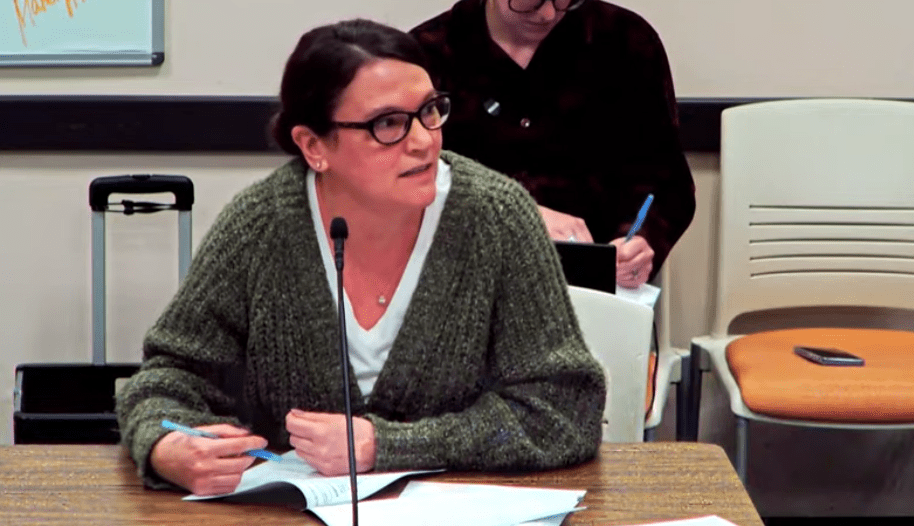
“Our guidelines are set through the federal government, so there are income guidelines that are across the United States,” said Laurie Kuczka, the district’s director of early childhood. “We are able to take the 100 to 130 percent over the federal guidelines, but we can only do that for ten percent of our current enrollment, so it’s really difficult. If you do that for the first ten percent of families that come through, you can’t do that going forward. It is unfortunate. Until the federal guidelines look at each state differently it’s going to happen.”
Additional challenges include competition from early childhood providers offering vouchers and year-round care, limited transportation options, and the location of some sites outside of high-need areas.
Still, school officials said the program continues to meet a clear need in the community.
Committee member Maureen Binienda described Head Start as “second to none,” noting that wage increases can unintentionally push families out of eligibility even as living costs continue to rise.
Committee Chair Alejandro Guardiola, who requested the enrollment report, also emphasized the program’s importance while acknowledging the limits imposed by funding.
“I think we’re making strides and trying to do the best we can with what we have, and I do appreciate that aspect,” Guardiola said. “Personally, I think it’s such a crucial part of early development. I think being able to acclimate yourself to an environment that is based on learning, but also socially cogitative growth helps. I get the challenges, transportation becomes a very big problem. This is not a political statement, but we just don’t know what’s happening at the federal level or even at the state level with the budget, so we’re always trying to maneuver that.”
Guardiola added that continued progress will require broader community support to “move the needle” on early childhood education.
The committee voted unanimously to approve and file the report.