
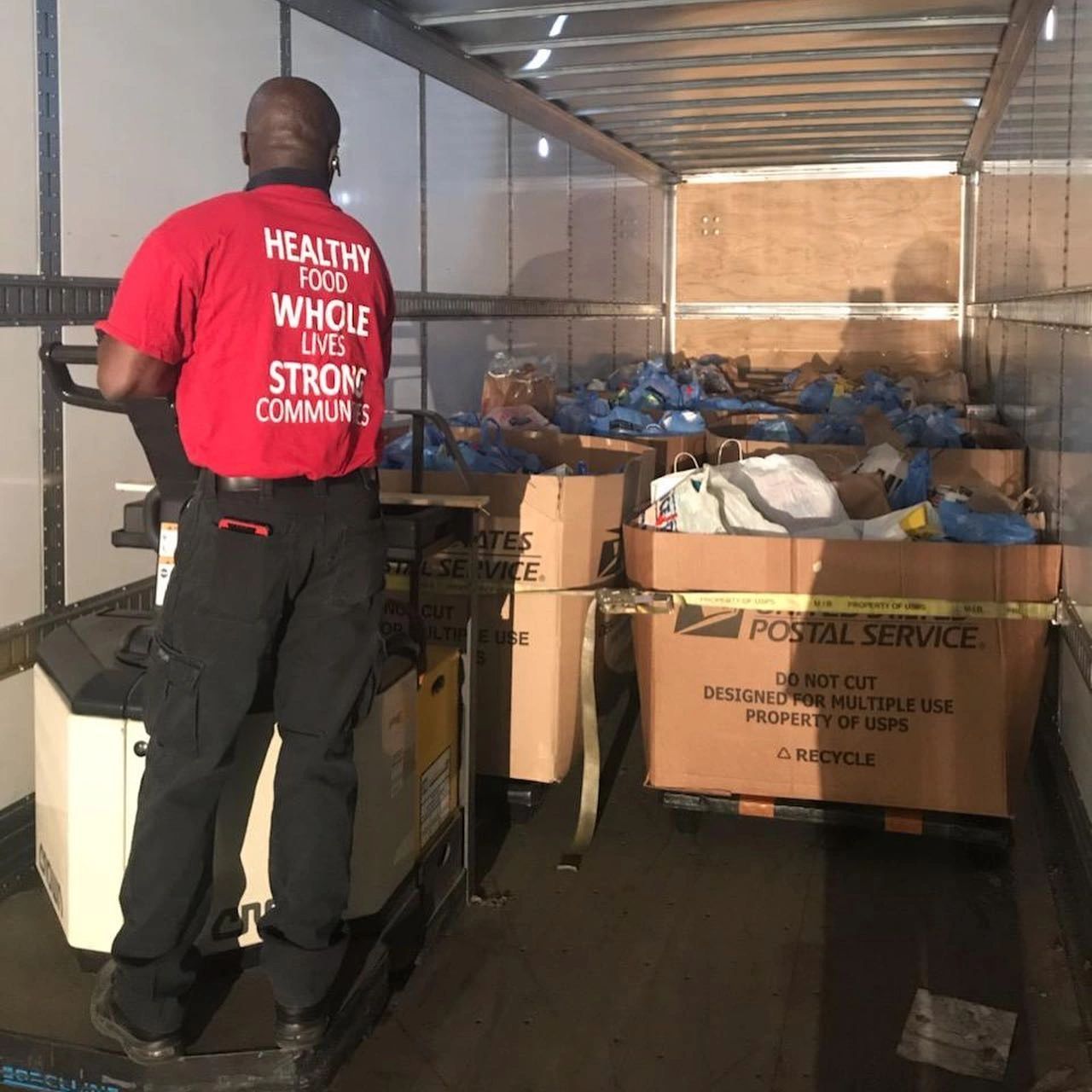
WORCESTER—In Worcester, the effects of the federal government shutdown are no longer just a headline in Washington. They are showing up in long pantry lines, strained nonprofit budgets and worried conversations in living rooms across the city.
Local leaders and agencies are trying to hold the line while warning that what looks like temporary stability now could unravel quickly.
Programs hold for now, pressure builds
Some federal programs appear to be holding steady. The state’s Department of Transitional Assistance issued October SNAP (Supplemental Nutrition Assistance Program) benefits on time, and essential services such as WIC and school meal programs are still running. Service providers say that calm is fragile.
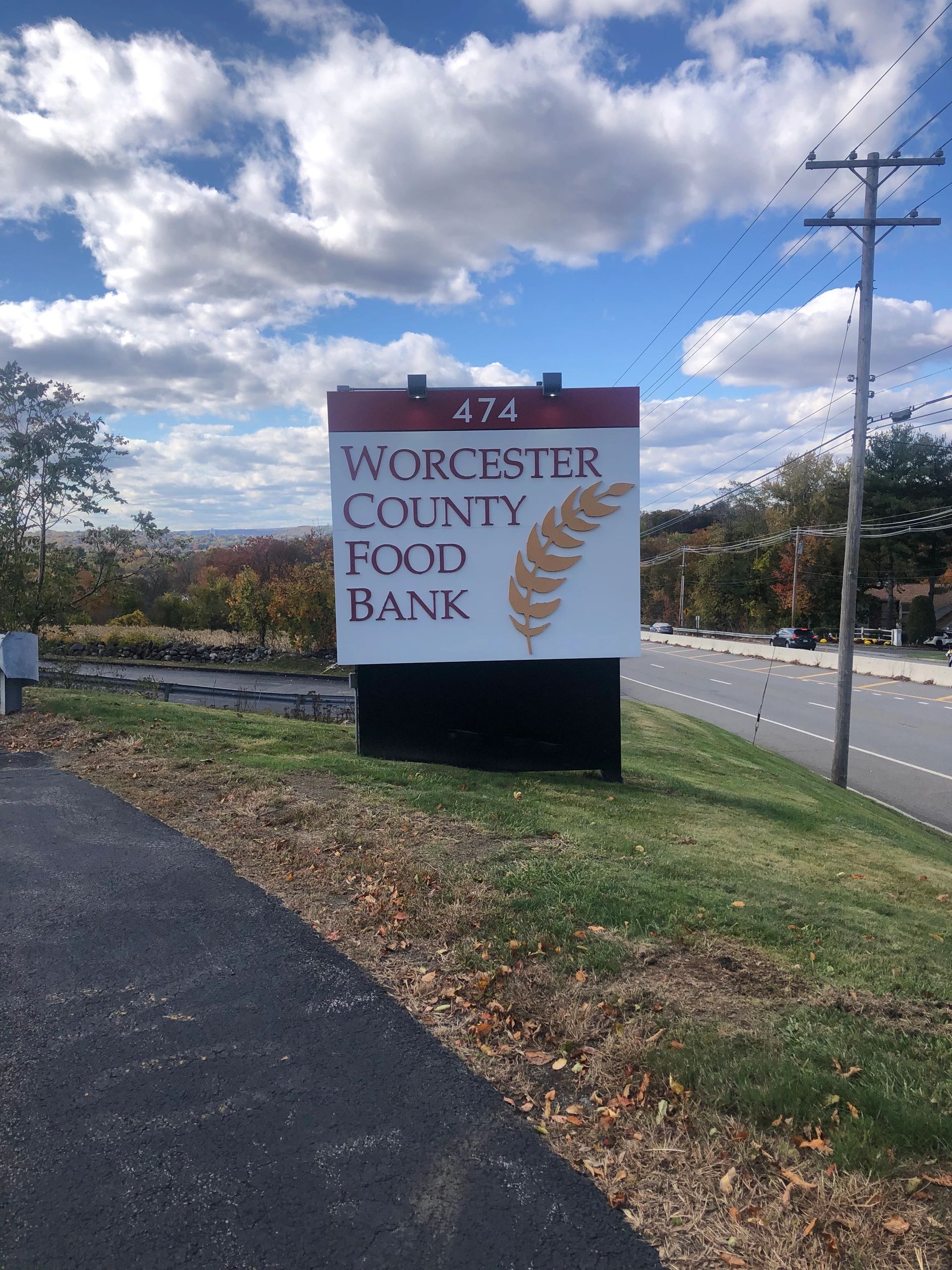
Jean McMurray, chief executive officer of the Worcester County Food Bank, said the organization is seeing the kind of demand that signals real distress. She points to long-term economic pressures including inflation, the end of pandemic-era federal supports such as the monthly child tax credit in 2022 and extra SNAP benefits ending in 2023. All of it has pushed more people to rely on food pantries.
“We are serving more people than ever in our 43-year history,” McMurray says, adding that this is not a short-term spike but a deepening crisis.
The strain extends beyond food distribution. At Catholic Charities of Worcester, administrative director Meghan McLeod reports that funding shortfalls forced the suspension of its senior aide program. Staff and participants are on furlough. Meanwhile, demand at its food pantry continues to surge while supply struggles to keep up.
“At the end of the day, we often have very little food to distribute,” McLeod says, underscoring how squeezed the system has become.
“I think it would be a good idea for restaurants or grocery stores that are maybe discarding food that’s going to go bad, maybe they could donate to the refrigerators and not waste the food,” said Ashley Ustinovich, a Worcester resident who has been closely following this news online and has experienced higher utility bills.
Ustinovich argued, “The city has to be getting in millions to billions of dollars from all these apartment buildings. There is way more they could do. Build a couple food pantries and start handing out hot meals– that will create more jobs and feed people that need it.”
Worcester resident Anne Moylan said, “The city could advertise the fridge and maybe encourage restaurants and grocery stores to donate. I see food from whole foods often.”
Etel Haxihiaj, District 5 city councilor, said she worries most about vulnerable households facing a dual threat: food insecurity and rising winter heating costs.
“No corner of the city is immune from the impact of losing funding that supports feeding, housing and providing fuel assistance to our residents,” she said.
A looming deadline
Looking ahead to November, McMurray warns that the U.S. Department of Agriculture could run out of funds for SNAP assistance. The potential delay in benefits to one million Massachusetts residents represents $220 million in aid that local food systems cannot absorb.

The urgency is echoed on the state’s own SNAP information page. A prominent alert currently reads that President Trump is choosing not to issue November SNAP benefits, and that cuts could begin next month due to changes in the “One Big Beautiful Bill.” The notice directs residents to check back for updates.
“For every meal provided by food banks and pantries, SNAP typically provides nine,” she said, adding that the consequences could include more people competing for fewer resources while nonprofits are stretched thinner than ever.

I rely on SNAP to feed my family,” said Chrissy Krieger, a Worcester resident. “I also receive $100 for healthy food through project bread. She added, “The pantry I volunteer at has had an influx of people coming in. The pantry I volunteer at helps about 450 to 600 people on Fridays.”
“Recent data does display an uptick in requests for food access within the last seven days,” said Echo Lahey, special projects and initiatives director at United Way of Central Massachusetts. “Thirty days ago, 2.7% of calls were made for assistance accessing food or a food pantry in Worcester. Within the last 7 days, 7% of all calls requested food access in Worcester.”
According to Lahey, one in six Massachusetts residents receive SNAP benefits. Senator Jo Comerford referenced 140,000 residents in Worcester County receive SNAP benefits. According to the most recent data from the DTA, there were more than 53,000 Worcester residents receiving snap benefits in July 2025.
Service organizations across Worcester are mobilizing. Worcester’s food bank is working with state-level advocates and the Make Hunger History Coalition, urging lawmakers to restore SNAP support and strengthen the Department of Transitional Assistance.
Haxhiaj said she is coordinating with on-the-ground partners, backing the city manager’s efforts and pressing state and federal leaders to intervene before the situation worsens.
The Worcester County Food Bank is the largest anti-hunger organization in the region, and while the city manager does not directly manage food pantries, the city partners with organizations such as the food bank and others to support food assistance programs. Residents can find local pantries by contacting the Worcester County Food Bank, Rachel’s Table, or using other city resources, such as the Worcester 311 app for general assistance requests.
Even so, nonprofits said they are already near capacity. Frozen contracts, delayed funding, and growing caseloads are straining their ability to plan. Their challenge is not only to meet urgent needs but to brace for a possible surge if the shutdown drags on.
With winter approaching, heating costs, food needs and benefit uncertainty create a precarious mix. Service providers, city officials and advocates are racing to shore up the safety net. If the shutdown does not end soon, they fear local capacity may not hold.
Matt Olszewski is a freelance content and news writer based in Boston, MA. In his free time, Matt enjoys running, hiking or skiing. Matt recently graduated with his MPH from Tufts University. He can be reached at mattoskier@gmail.com
